


Federal Prosecutor Drops Charges Against Activists in Chicago Immigration Protest Case
In a significant development, Chicago’s top federal prosecutor has decided to abandon a closely watched case against four activists involved in protests outside a federal building during the city’s immigration crackdown last year. This decision follows a judge’s examination of allegations concerning grand jury misconduct by prosecutors.
Dismissal of Charges Announced in Court
U.S. Attorney Andrew Boutros revealed this decision in court after a private meeting regarding the redacted grand jury report. He explained to U.S. District Judge April Perry that he was only recently made aware of the alleged misconduct. Among the accusations were claims that prosecutors held meetings with grand jurors unrelated to the case and that jurors who voiced dissent regarding the case’s dismissal were excluded from participating. Boutros did not contest these allegations, labeling the conduct as vexatious and justifying the case’s dismissal.
Prosecutor’s Comments on Allegations
Boutros, appointed by the Trump administration, refrained from further comments through a spokesperson. During proceedings, he emphasized that there was no intent to mislead the court, suggesting that the actions of his office were undertaken in accordance with the judge’s directives.
A High-Profile Case in Immigration Enforcement
The case, originally scheduled for trial next week, represents one of the most high-profile actions in an ongoing crackdown across Chicago and its suburbs over the past year. It serves as yet another example of the Justice Department’s challenges in prosecuting individuals accused of obstructing federal officers amid protests against President Donald Trump’s immigration policies.
Advocates Demand Unredacted Records
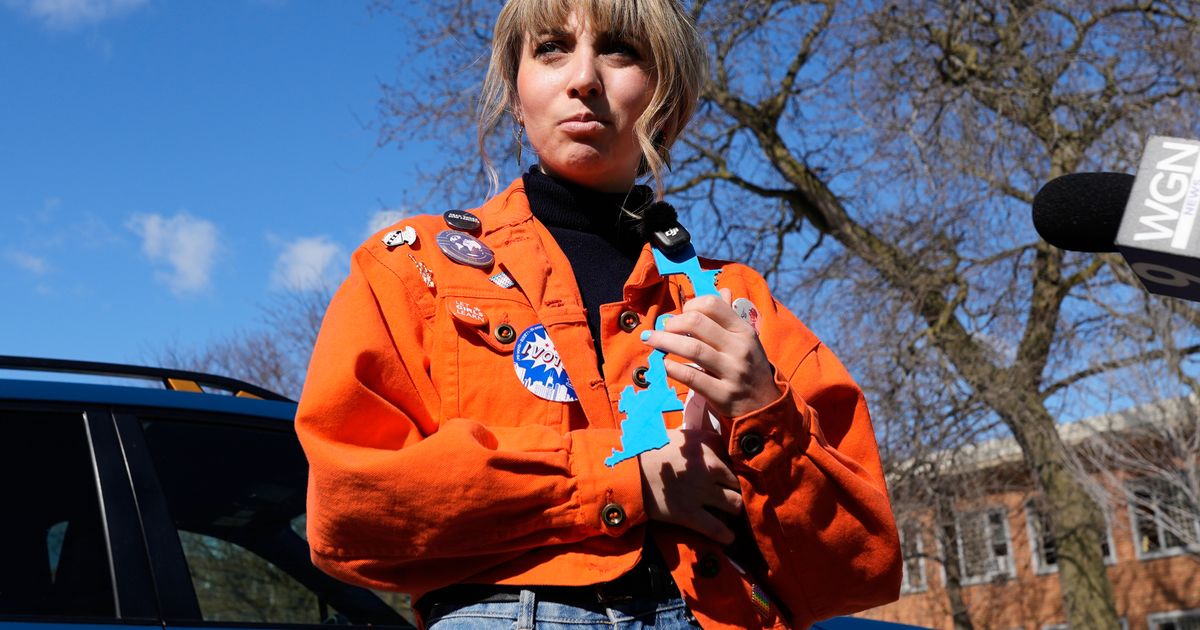
Lawyers representing the activists, including former Democratic House candidate Kat Abu-Ghazaleh, expressed their intention to seek unredacted records for further clarity on the situation. Abu-Ghazaleh’s attorney, Josh Herman, commented on the grand jury misconduct that led to the charge dismissal, calling it “unsurprising” and claiming the lawsuit should never have been initiated as it infringed upon their First Amendment rights.
Original Charges and Subsequent Developments
Initially, Abu-Ghazaleh was one of six individuals charged with conspiring to obstruct a police officer, a felony. Prosecutors alleged that she and other demonstrators surrounded an immigration van at a federal facility in the Chicago suburb of Broadview, a hotspot in the Trump administration’s crackdown. Charges against two co-defendants were later dropped, and last month, prosecutors dismissed the felony conspiracy charge entirely amid scrutiny of the grand jury report.
Further Legal Implications and Issues
The charges were formally dismissed with prejudice, thereby preventing any future prosecution on the same grounds. Judge Perry also raised the possibility of conducting a hearing to discuss potential sanctions against the U.S. attorney’s office for their actions. This incident marks another point of concern over the conduct of prosecutors under the Trump administration, highlighting a pattern of significant investigative errors seen in other high-profile cases.
National Implications of Prosecutorial Conduct
Notably, a federal judge in Virginia criticized the Justice Department for committing serious errors during an indictment related to former FBI Director James Comey. Such scrutiny showcases the ongoing challenges faced by federal prosecutors, raising questions about ethics and the integrity of their dealings with grand juries across the nation.
