


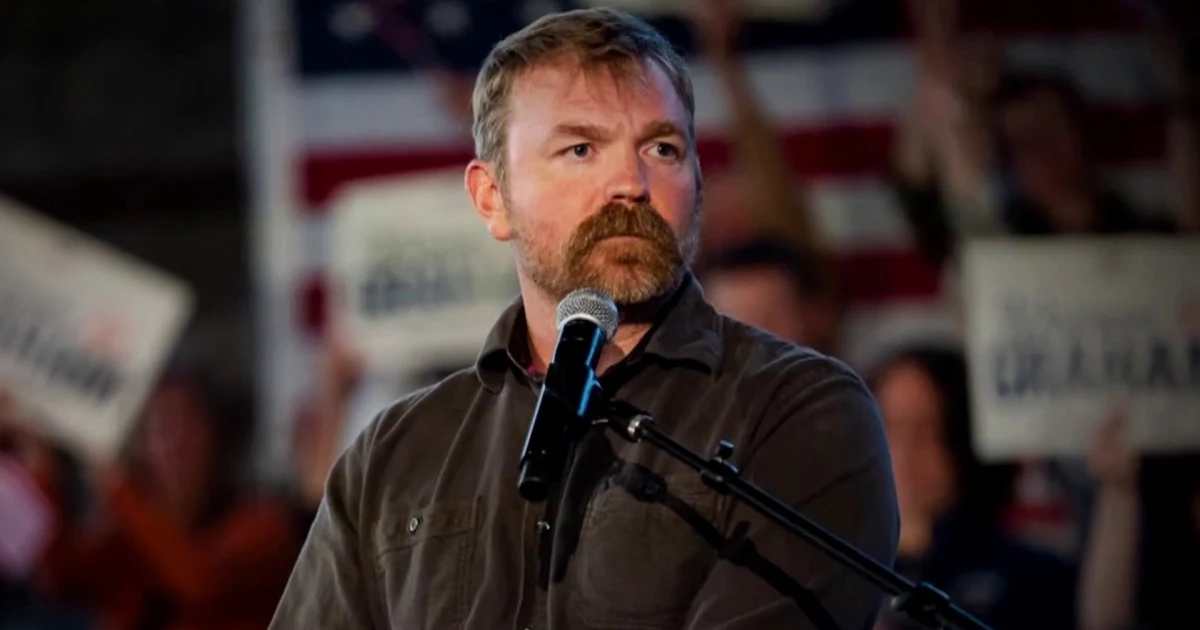
Democratic Pressure Mounts on Maine Senate Candidate Amid Allegations
A growing chorus of prominent Democrats is urging Graham Platner, a candidate for the Maine Senate, to step down from the race following the emergence of new sexual assault allegations. The claims stem from an incident recounted by an ex-girlfriend, who detailed an event alleged to have occurred five years ago. In response, Platner has firmly denied the accusations, asserting his innocence. This unfolding situation has attracted significant media attention, especially as the political landscape heats up in the lead-up to the elections.
Public Reaction and Party Rifts
The allegations have sparked a mixed response within the Democratic Party. While some members have called for Platner’s withdrawal, others emphasize due process and the importance of thorough investigations. This split illustrates the delicate balance party members must navigate between standing up for victims and supporting a fellow party member. Analysts believe that how this situation is handled could influence the party’s standing in the upcoming elections.
History of Allegations and Political Impact
Platner’s campaign has not been without controversies in the past. This latest allegation brings to light his complicated history, which may weigh heavily on voter sentiment. Political analysts warn that the longer the narrative of these allegations persists, the more challenging it will be for Platner to maintain support, both from his party and the electorate at large.
The Role of Media in Political Campaigns
The media plays a crucial role in shaping public perception during political campaigns. As news of the allegations spreads, the coverage is expected to influence not only Platner’s campaign but also the broader narrative surrounding the Democratic Party. Scrutiny from both traditional outlets and social media can amplify the focus on this controversial issue, affecting voter engagement and turnout in pivotal ways.
Contributing to a Culture of Accountability
This situation underscores ongoing discussions surrounding accountability in political offices, particularly regarding allegations of misconduct. As more voices join the call for transparency and accountability, candidates may face increasing pressure to address past behaviors openly. This trend could potentially reshape how political campaigns are contested in the future, as voters demand ethical standards from candidates.
The Future of Platner’s Campaign
As the political landscape continues to evolve, the future of Graham Platner’s campaign remains uncertain. With primaries approaching, stakeholders are closely monitoring how his team navigates these turbulent waters. If these allegations are not effectively dealt with, they may prove detrimental, not only to Platner’s candidacy but also to the Democratic Party’s prospects in the broader race.
Conclusion: The Journey Ahead
The outcome of this scenario will serve as a litmus test for the political dynamics within the Democratic Party. As pressure mounts on Platner, all eyes will be on his next steps. The interplay between legal prerogatives and political consequences is bound to unfold in a manner that could redefine campaign strategies and candidates’ responsibilities in the face of allegations.
