


Trump Advocates for CFTC Authority Over Prediction Markets
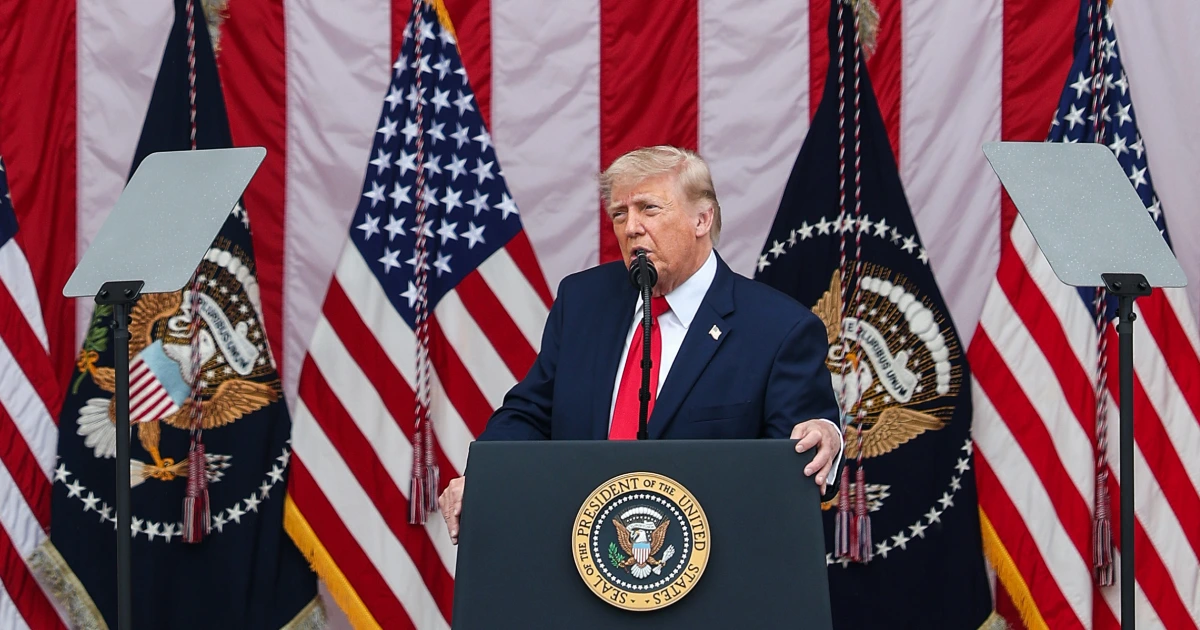
In a recent statement, President Donald Trump emphasized the necessity of granting the U.S. Commodity Futures Trading Commission (CFTC) exclusive authority over prediction markets, while also pledging his commitment to safeguarding the cryptocurrency sector.
Maintaining Regulatory Superiority
Trump articulated the importance of ensuring that prediction markets flourish under a well-defined regulatory framework, asserting in a post on Truth Social that this effort is integral to establishing a “gold standard” for market regulations. He underscored the competitive pressure from other countries that are eager to develop similar markets, urging the U.S. to maintain its leadership position.
Preserving Crypto Leadership
The President’s comments reflected a broader concern about the United States’ standing as the global hub for cryptocurrencies, particularly Bitcoin. He asserted that while the nation currently holds this title, international rivals are actively working to undermine that position, and he is determined to prevent such a shift.
Backlash Against Current Regulatory Trends
Trump’s commitment to protecting prediction markets and cryptocurrencies comes on the heels of a New York Times investigation that revealed the CFTC’s inconsistent regulatory approach. The report indicated that while the commission has supported prediction markets, it has simultaneously relaxed enforcement on digital currencies, leading to significant administrative changes within the agency.
Personal Ties to Market Industries
Financial interests in prediction markets and cryptocurrency ventures also connect Trump and his family to this regulatory discussion. Notably, Trump has ties to World Liberty Financial, a crypto firm, while his eldest son, Donald Trump Jr., is linked to Calci and Polymarket, two major players in the event contract gambling sector.
Growing Scrutiny from States
Prediction markets have come under fire from various states, facing accusations of operating as unlicensed gambling establishments in contravention of state laws. The regulatory fate of these markets hinges on the determination of jurisdiction and the legal authority to regulate this emerging sector.
Divided Opinions in Regulatory Discussions
Amid ongoing debates in Washington and state capitals, Trump and CFTC supporters advocate for federal regulation akin to that of securities markets. In contrast, a rising chorus of state governors and attorneys general contends that event gambling, particularly in sports, should fall under state regulations similar to traditional casinos and lotteries.
First State-Level Ban on Prediction Markets
The landscape has shifted recently, with Minnesota’s Democratic Governor Tim Walz enacting a bill that prohibits prediction market websites from operating within the state, marking a notable legal precedent. In reaction, the Trump administration has initiated a lawsuit aimed at asserting federal oversight, challenging state-level restrictions.
Political Tensions in Regulatory Enforcement
On Tuesday, Trump criticized Walz and other state officials who have sought to impose stricter regulations on prediction markets, specifically calling out New York Attorney General Letitia James. James has been a longstanding adversary of Trump and has recently filed lawsuits against crypto firms Coinbase and Gemini, alleging they are conducting gambling operations through their prediction market platforms. Both companies maintain that they are under federal regulation, not state jurisdiction.
