


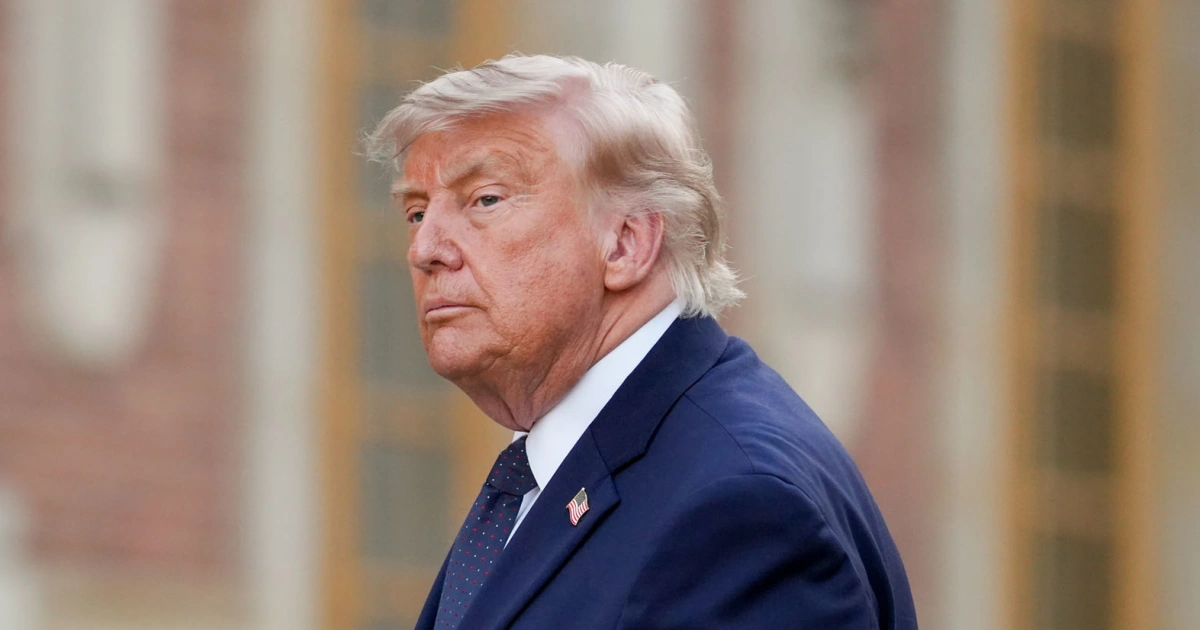
President Trump Finalizes Iran Deal, Ending a Long Conflict
In a significant development, President Donald Trump has signed a landmark agreement that concludes the longstanding Iran conflict and restores access to the strategically important Strait of Hormuz.
Global Implications of the Agreement
World leaders are optimistic that this 14-point agreement will provide relief to the struggling international economy, which has been adversely impacted by Iran’s restrictions on critical maritime routes.
Negotiations Set to Continue
While the conclusion of negotiations brings a sense of closure, it also marks the beginning of a new phase of discussions. A “final” agreement between the US and Iran is anticipated to be even more complex, with 60 days of negotiations set to kick off in the Swiss Alps starting this Friday.
Iran’s Perspective on the Interim Deal
Although Iranian officials tout the interim deal as a triumph, critics and many independent observers argue that the terms largely favor Iran. President Trump himself acknowledged that the agreement was necessary to avert an “economic catastrophe” and prevent a global recession.
Addressing Military Concerns
During the recent Group of Seven summit, Trump candidly admitted that the deal fell short of some initial military objectives, particularly those concerning Iran’s ballistic missile program. Notably, he expressed a controversial viewpoint, suggesting that if other nations possess ballistic missiles, it may be unjust for Iran to relinquish that right.
Response from Iranian Officials
The Iranian state media framed the agreement as a significant victory for its negotiators. Parliament Speaker Mohammad Berger Ghalibaf remarked that the deal reflects Iran’s resilience against American and Israeli objectives during the conflict.
Details of the Agreement and Future Commitments
Although the full text of the agreement has not been publicly released, key elements include the US’s commitment to lift various sanctions, including oil export restrictions that heavily impact Iran’s economy. Moreover, the agreement emphasizes Iran’s acceptance of nuclear non-proliferation commitments and outlines plans to reopen the Strait of Hormuz, albeit with conditions that ensure future negotiations regarding navigation and security in the region.
Challenges Ahead and Political Reactions
Critics from both sides of the political aisle have expressed concerns regarding the agreement’s potential implications. Some Republican leaders have condemned the deal as a significant foreign policy miscalculation, claiming it strengthens Iran while undermining US influence in the region. Analysts noted that unresolved issues could complicate upcoming negotiations, and there remains skepticism about whether Iran will adhere to its commitments.
