


Ceasefire in the Middle East Faces New Challenges
A ceasefire in the Middle East was abruptly threatened on Tuesday as tensions escalated between the United States and Iran. This turmoil followed President Donald Trump’s announcement of a mission aimed at ensuring access through the crucial Strait of Hormuz.
Project Freedom Put on Hold
President Trump indicated in a Tuesday night address that the initiative, dubbed “Project Freedom,” which aims to secure navigation through the strait, is now on hold. The decision reflects the requests from Pakistan and other nations, alongside the considerable military advancements made against Iran. Alongside these developments, both parties have agreed to a temporary suspension of ship movements through the strait while negotiations continue.
The Implications of Project Freedom
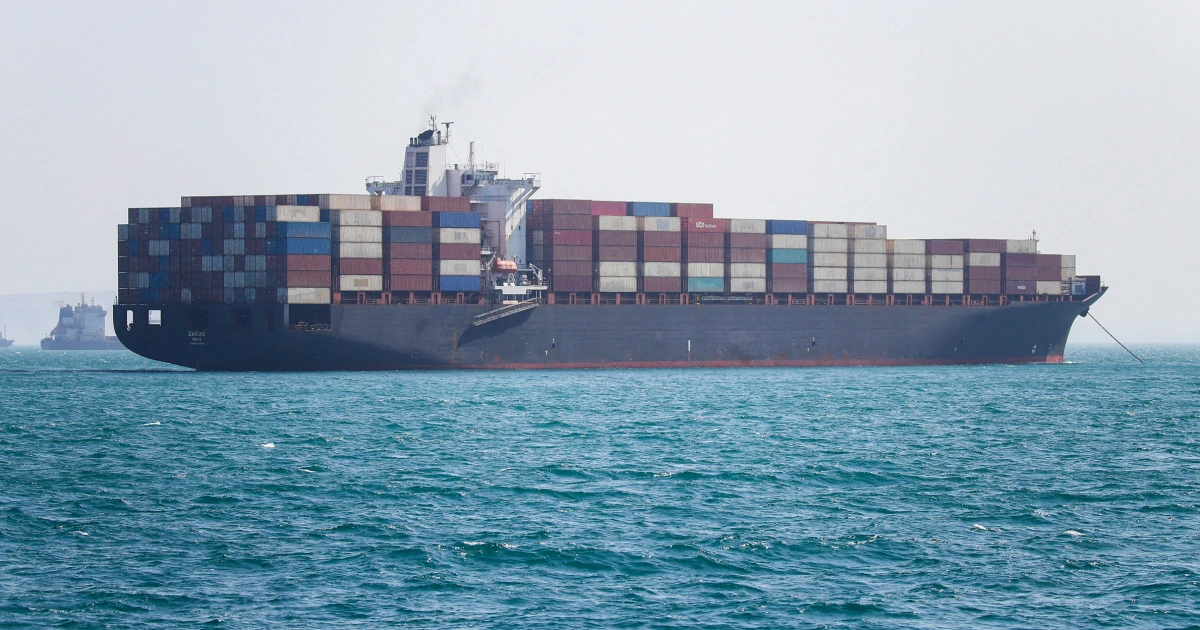
“Project Freedom,” designed to alleviate Iranian control over vital shipping routes, addresses increasing global energy prices and limited international shipping. However, Iran has responded aggressively, launching attacks against U.S. vessels and regions within Gulf states.
U.S. Response to Iranian Aggression
During a Pentagon briefing on Tuesday, Defense Secretary Pete Hegseth asserted that the ceasefire remains intact despite recent confrontations. General Dan Cain, chairman of the Joint Chiefs of Staff, confirmed that Iranian forces have attacked U.S. troops over ten times since the ceasefire was declared, though these skirmishes have not yet escalated to large-scale military operations.
Military Operations and Strategic Communications
In a response to recent attacks, the U.S. Navy reported that no vessels were struck during Iranian assaults involving cruise missiles and drones earlier this week. President Trump stated that eight Iranian fishing boats had been destroyed as part of the U.S. military operations in the region. Meanwhile, the U.S. military confirmed the safe passage of two U.S.-flagged merchant ships through the strait, including one escorted by Maersk under U.S. protection.
Shifts in Military Strategy
Secretary of State Marco Rubio declared the end of Operation Epic Fury, which previously focused on aggressive military actions against Iran. He clarified that the current operations center on securing maritime safety, not launching attacks. Rubio characterized the situation as defensive, emphasizing, “There’s no shooting unless you get shot first.” He condemned Iranian activities in the strait as illegal and unacceptable.
Iran’s Resilience Amidst International Scrutiny
In a defiant address, Iranian officials suggested that the challenges posed by the U.S. in the strait are “untenable.” The parliamentary speaker highlighted that Iran has yet to escalate its efforts significantly. Foreign Minister Abbas Araghchi asserted that attempts to militarily control the strait are futile, describing the current U.S. actions as a “dead end.” The ongoing situation raises concerns about the potential for renewed conflict.
Global Responses and Future Developments
As tension escalates, President Trump warned that any further Iranian assaults on U.S. vessels would meet with severe consequences. The recent skirmishes included an incident involving a South Korean vessel that sustained damage from an explosion, prompting Trump to call for South Korea’s participation in safeguarding maritime routes. Additionally, the United Arab Emirates reported being under attack from Iranian missiles, exacerbating regional tensions and drawing widespread condemnation. Amid these developments, both U.S. allies and adversaries are watching closely, with mediation efforts from Pakistan in the hope of achieving a peaceful resolution.
