


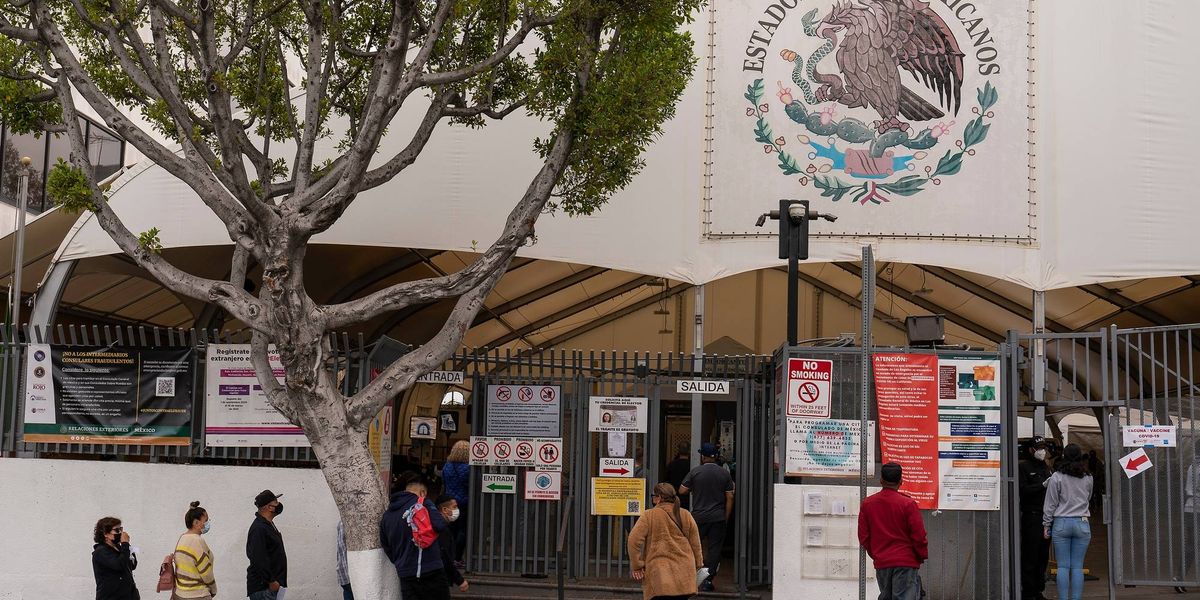
LOS ANGELES – The Mexican Consulate General in Los Angeles plays a crucial role for thousands of its citizens, facilitating birth registrations and passport issuance. Recently, it has also expanded access to legal assistance for individuals affected by changes in U.S. immigration policies since the beginning of President Trump’s second term.
As the consulate serving the largest Mexican community outside of Mexico, it offers essential services that benefit approximately 13 million people of Mexican descent living in California, including about 1.7 million who are undocumented. Alongside this, all 53 Mexican consulates across the United States strive to enhance the lives of their citizens, mirroring the support provided by the nine U.S. consulates located in Mexico.
Currently, the U.S. State Department has initiated a review process that may result in the closure of certain Mexican consulates. Although the specific motivations behind this review remain unclear, it emerges amidst heightened tensions concerning immigration, bilateral relations, and unfounded accusations suggesting that Mexican consulates are influencing U.S. politics and promoting migration.
Diplomatic Tensions and U.S. Foreign Policy
President Trump’s administration has heightened its scrutiny of Mexico, raising critical questions about human rights and national sovereignty. The State Department has provided a vague rationale for the review, stating that it continuously evaluates various aspects of U.S. foreign relations to ensure alignment with the President’s “America First” agenda and to further U.S. interests.
One possible factor behind the review could be its alignment with the current immigration strategies aimed at deporting undocumented individuals, particularly from Mexico, which is home to approximately 4.3 million undocumented people according to the Pew Research Center. This scrutiny could also affect ongoing free trade negotiations that hold significant economic implications for both countries, especially as Trump’s administration has adopted an increasingly aggressive posture towards Mexico.
Mexican President Claudia Sheinbaum has skillfully navigated these challenges, opting for diplomatic engagement rather than direct confrontation. She has dispatched government officials to Washington while maintaining strong ties with the administration, albeit with a firm stance on immigration-related issues, including the treatment of Mexicans in U.S. detention facilities. She has labeled the conditions in these centers as “unacceptable” and mandated daily visits by consulate staff to monitor their safety.
As relations have soured recently, particularly following U.S. indictments against several Mexican officials on drug trafficking charges, Sheinbaum has refuted any U.S. authorization for involvement in military operations. This tension, compounded by retaliatory tariffs, has exacerbated already fraught bilateral relations.
Concerns Over Potential Closures
The possibility of consulate closures has elicited significant anxiety among Mexican nationals. During a public forum at the Los Angeles consulate, attendees expressed concerns about accessing legal representation for relatives detained by U.S. immigration authorities. One participant, an older gentleman, voiced his worries after hearing about the review.
In response, Carlos González Gutierrez, Mexico’s top diplomat in Los Angeles, emphasized that there is “no reason whatsoever” to consider closing the consulate, echoing sentiments from Sheinbaum. Experts have warned that any such closures would severely impact the Mexican immigrant community, particularly in remote areas where access to consular services is already limited.
Consular officials are active in local immigration detention centers, working daily to identify and support Mexican detainees. At a recent public forum, González Gutierrez shared statistics on the diverse backgrounds of those seeking assistance, highlighting that a significant portion of undocumented individuals have deep roots in the U.S., with many working in key industries such as construction and agriculture.
González Gutierrez also rejected allegations of political interference, asserting that Mexican consuls are guests in the U.S. and operate within a framework of respect for the host country’s laws. He reaffirmed their commitment to safeguarding the rights of Mexican nationals, maintaining that the consulate remains focused on its primary role—protecting its citizens.
