


Federal Courts Overwhelmed by Immigration Cases
Federal courts across the United States are currently facing unprecedented challenges as the immigration enforcement landscape shifts dramatically under President Donald Trump’s administration, which began its second term in January 2025. The impact is being felt across the entire federal court system.
Surge in Habeas Corpus and Immigration Filings
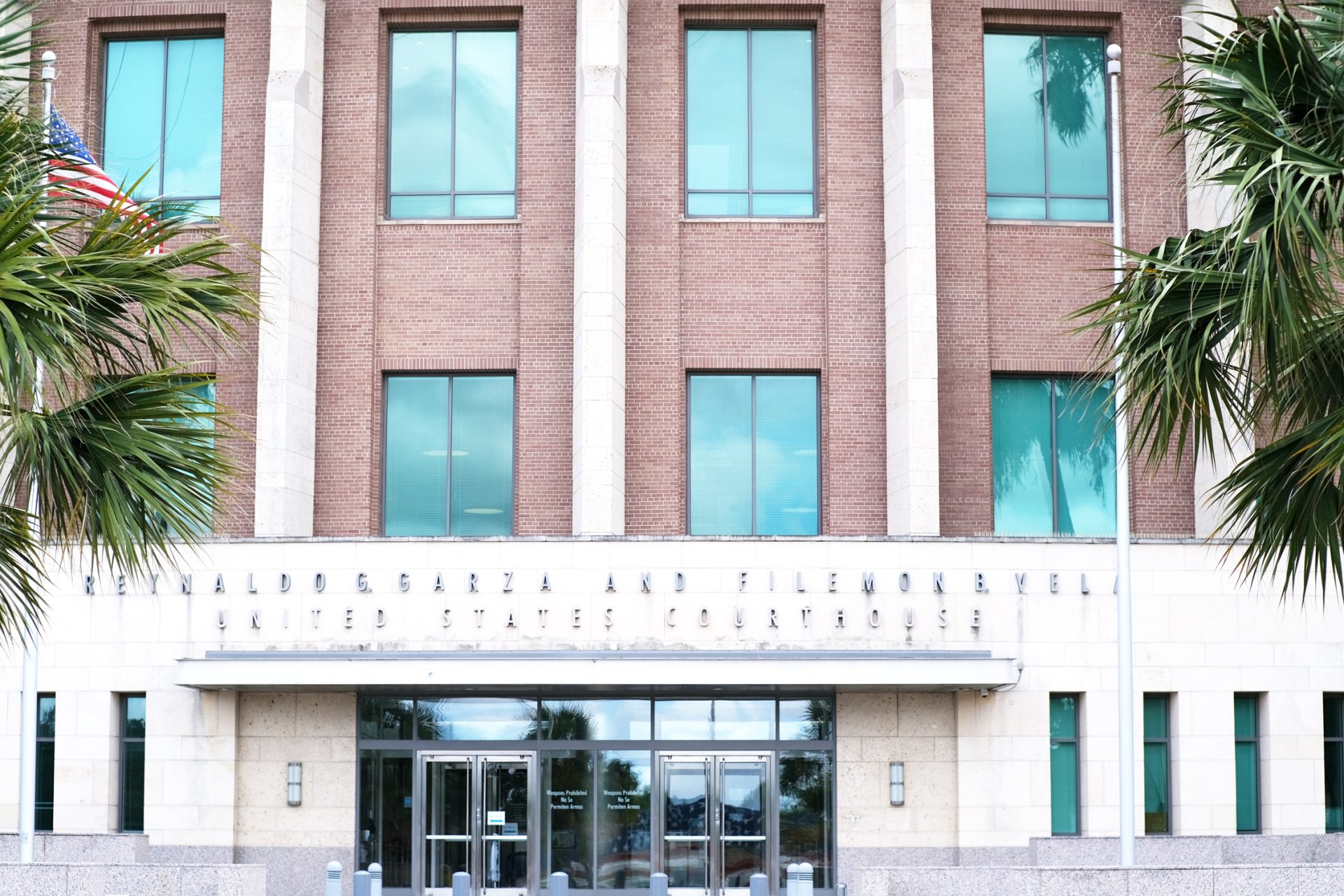
A recent analysis by MyRGV.com revealed a stark increase in the number of habeas corpus and immigration cases filed in federal court in Brownsville. Comparing data through May 31 of this year with similar filings from 2025 shows an astonishing increase of 789%—from just 48 cases in 2025 to 427 cases in 2026. Such a dramatic rise underscores the substantial ramifications of the new immigration policies.
Understanding Habeas Corpus Petitions
The writ of habeas corpus serves as a petition against unlawful detention. Currently, many DACA recipients and even U.S. citizens find themselves embroiled in legal battles, facing prolonged detentions due to the stringent policies. Clients often seek habeas corpus relief to secure their release from ICE custody, and with long-term detention facilities primarily located in Cameron and Willacy counties, Brownsville federal court has become the focal point for these legal challenges.
Consequences of Policy Changes
A key catalyst for this surge can be attributed to a September 2025 ruling by the Board of Immigration Appeals, which determined that immigration judges could not grant bail to individuals who entered the U.S. illegally. Prior to this ruling, judges had the discretion to issue bail based on individual circumstances, allowing many longstanding residents the chance to contest their immigration status outside of detention. Carlos Moctezuma Garcia, an immigration lawyer, noted that this change has drastically altered the dynamics within immigration courts.
Case Spotlight: Yennifer England
Garcia recently represented Yennifer England, a DACA recipient who was detained following a minor traffic incident. After filing a writ of habeas corpus, she was released in May, highlighting the critical role federal courts now play in upholding personal freedoms amidst the changing legal landscape. Garcia emphasized that such rulings are indicative of governmental violations of the law, more than a mere determination of a person’s character.
Immigration Attorneys Facing Overwhelming Demand
According to Jaime Diez, an immigration attorney with nearly three decades of experience, he has never witnessed a volume of immigration cases at this scale. The frantic pace of legal work, often coupled with minimal time for preparation, has transformed the practice of immigration law into a daunting task. The spike in habeas corpus filings reflects a growing perception among individuals that they are being unfairly detained, a concern that spans across state lines.
Increased Detention Numbers and Challenges Ahead
Data from the Transaction Records Access Clearinghouse (TRAC) reveals a concerning trend: the number of individuals held in ICE detention facilities has risen sharply from 39,238 in January 2025 to 60,311 by April 2026. Texas alone accounts for the highest levels of ICE detainees, with nearly 18,000 individuals in custody. As lawyers like Diez grapple with these changes, they are left feeling overextended yet committed to ensuring justice prevails.
