


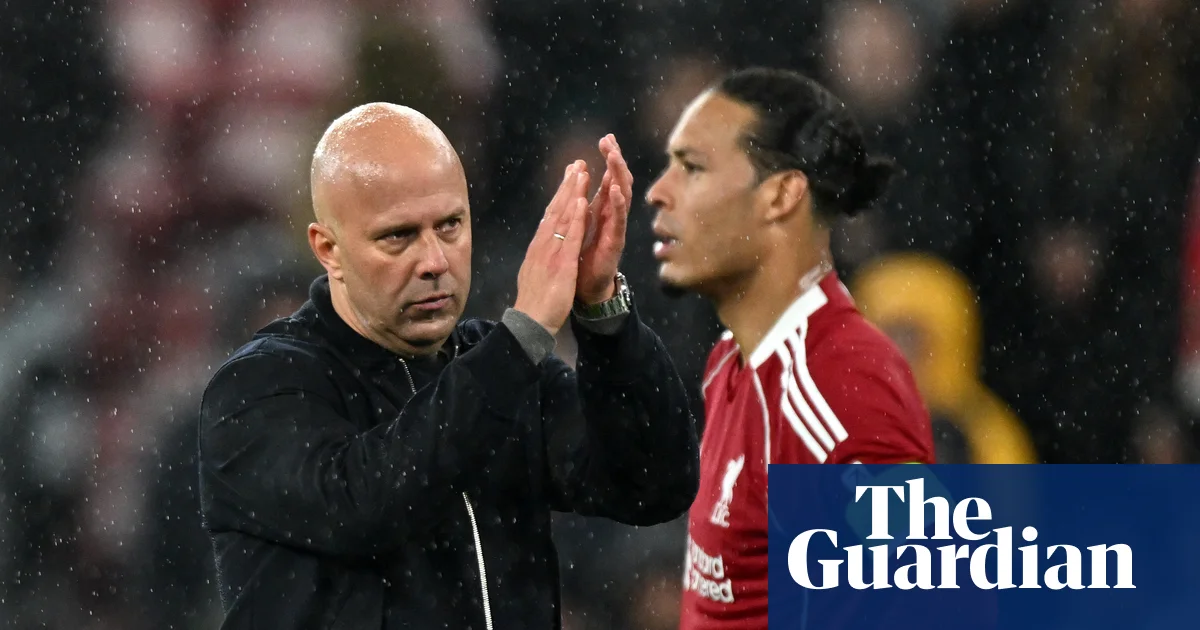
Liverpool’s Struggles Highlight Limitations at Anfield
Historically, Liverpool Football Club has thrived on the fervent support of Anfield, where the echoes of past glories resonate with current aspirations. While history can inspire, it cannot single-handedly influence on-field results. The rich mythology surrounding iconic stadiums like Anfield underscores the connection between past triumphs and present performance, but clubs must not rely solely on their storied venues. Even at Anfield, where legendary moments have unfolded, the potential for miracles is not infinite.
Historic Matches Don’t Guarantee Future Success
The memories of Liverpool’s stunning comeback against Barcelona in 2019 serve as a reminder of the club’s resilience, yet such feats cannot set unrealistic expectations. Facing a two-goal deficit against Paris Saint-Germain in 2026, the circumstances were markedly different. On a blustery night, with rain pouring down, Anfield’s atmosphere was electric, highlighted by a moving rendition of “You’ll Never Walk Alone.” However, this emotional backdrop alone was insufficient.
Defensive Shortcomings As PSG Secures Advantage
The groundwork for this defeat was laid in the first leg of the match, where PSG showcased their superiority. Even had Liverpool mounted a comeback, PSG’s defensive prowess would likely have quelled any hope of a turnaround. Although the aggregate score of 4-0 appears dire, Liverpool’s performance suggested they applied more pressure on PSG than in previous encounters. However, characterizing this season as one of growth for Liverpool would be a stretch.
Key Moments and Missed Opportunities
Despite their flaws, Liverpool displayed moments of improvement in this match. While it could be framed as a loss against a stronger opponent, the broader context of the team’s current trajectory is a crucial lens through which to assess their performance. Liverpool’s head coach, Arne Slot, may find this loss did not hasten his departure, but it does complicate the narrative surrounding his future.
Injuries Compound Liverpool’s Troubles
The match was further impacted by injuries, notably when Hugo Ekitike, Liverpool’s most distinguished player in the opening stages, fell to the ground. The scene was alarming as he appeared to suffer an Achilles injury after slipping without contact. His struggle to regain footing before being carried off highlighted the misfortune that can plague even the most promising teams.
An Incomplete Strategy and Players’ Performance
This was only the third time Ekitike and his striking partner Alexander Isak started together, a situation compounded by Isak’s return from a significant injury layoff. Coach Slot’s decision to substitute Isak at halftime indicates a lack of confidence in the pairing’s ability to contribute effectively. Despite optimistic scans, the overall perception was that Ekitike’s injury could have serious ramifications for his future, especially with World Cup aspirations on the line.
Transition from Promising Talents to Missed Chances
As Ekitike departed, Mohamed Salah stepped onto the pitch, carrying the hopes of Liverpool fans. However, this season, Salah has struggled to replicate his past form, showing flashes of brilliance but ultimately failing to make the significant impact expected of him. In a moment that epitomized the team’s challenges, young talent Rio Ngmoja had a close opportunity thwarted just moments before PSG equalized through Ousmane Dembele.
PSG’s efficiency in front of goal has been a stark contrast to Liverpool’s ongoing struggles, leaving the home side lamenting missed chances. Ultimately, while Anfield provided the encouragement, a disjointed performance against a high-caliber opponent made victory elusive.
