


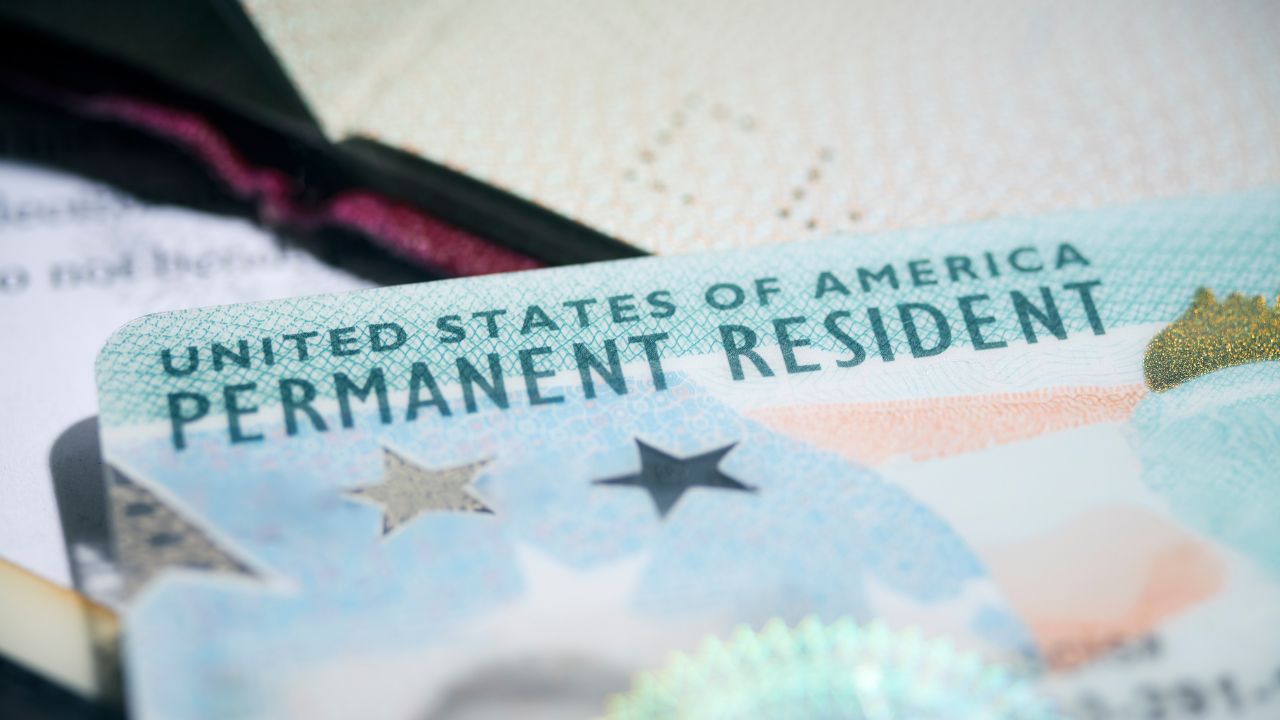
After residing in the United States for 30 years, Es, a green card holder married to a U.S. soldier, is facing uncertainty regarding her citizenship application, which has yet to be reviewed. Despite being married to a service member, her application is stalled due to her origins from one of the 39 countries included in the travel ban. Initially scheduled for a move to Germany this month, the couple has delayed their plans until October, leaving their lives in limbo—her home, her children’s schooling, and her husband’s military preparations are all on hold.
This situation highlights the broad impact of immigration policies on law-abiding individuals. Es emphasized to NPR that this predicament is not about wrongdoing but affects countless families, noting the significant emotional toll it takes on their lives.
Significant policy changes affecting legal immigration are set to take effect in July 2026, encompassing critical areas such as green cards and citizenship applications. While some changes have already begun, the implications of these modifications will resonate through the lives of millions of residents and applicants in the U.S.
Shifts in Legal Status for Spouses of U.S. Citizens
Historically, immediate family members, particularly spouses of U.S. citizens, have enjoyed unique legal protections under immigration law, often classified as a “privileged class” due to their exemption from strict immigration quotas. This status meant they could apply for adjustments without maintaining strict legal status, as noted by Sharvari Dalal Deini from the American Immigration Lawyers Association. However, that paradigm has shifted under the current administration, leading to a reassessment of their treatment in immigration processes.
According to data from the Department of Homeland Security, around 343,000 individuals secured green cards through marriage in 2024, accounting for roughly a quarter of all green card approvals. When including other family members who can also serve as sponsors, such as children and parents, this pathway represents a vital connection for millions of American families.
New Challenges for Immigration Applicants
In recent months, U.S. Citizenship and Immigration Services (USCIS) has begun implementing additional interviews for applicants. A memo from May signaled that officials would scrutinize whether spouses had applied for green cards from their home countries during case reviews. Those remaining in the U.S. could face more rigorous evaluations, increasing both the scrutiny and duration of the application process. The Trump administration has further intensified oversight by urging financial institutions to examine the bank accounts of U.S. residents lacking permanent resident status, complicating their situation further.
Legal Risks for Married Applicants
Despite being married to a U.S. citizen and having a petition in process, applicants are not shielded from deportation. Ashley DeAzevedo, executive director of American Families United, reported that the organization currently assists approximately 1.4 million individuals in the U.S. and around 300,000 abroad, many of whom are fleeing uncertainty and fear of indefinite detention.
Implications of New Signature Requirements
On July 10, new rules established by the Department of Homeland Security will alter how applications are processed. Under an interim final rule, USCIS will gain the authority to deny applications due to missing signatures, even after they have been accepted for processing. This change poses serious risks, as applicants may lose their filing fees and have to restart their applications from scratch. Immigration attorneys argue that despite the government’s intention to standardize requirements, the lack of efficient management within the system will only exacerbate existing complications.
Changes in Employment-Based Visa Categories
The State Department’s monthly Visa Bulletin has announced that certain employment-based green card categories will be closed for the remainder of the fiscal year ending on September 30. Notably, EB-2 visas for Indian applicants and unrestricted EB-5 investor visas will not be available until the new fiscal year begins in October. As USCIS continues to apply a more restrictive “last action date” table, applicants already in line will face increased wait times as the pathways for new applicants become narrower.
Expanded Social Media Disclosure Requirements
USCIS is rolling out updates to immigration forms that will require applicants to provide up to a decade of social media history, including handles for deleted accounts. This development stems from an executive order aimed at enhancing vetting processes for foreign nationals. The underlying assertion is that immigration is a privilege, not a right, allowing the government significant discretion to deny visas based on perceived threats to national interests. However, vague definitions of “anti-American” content raise questions about the potential for arbitrary judgments and further complicate the application process.
Rising Uncertainty Among Immigration Applicants
The convergence of these changes—more rigorous interviews, new signature stipulations, limited visa availability, and heightened social media scrutiny—has fostered a climate of instability for those navigating the immigration system. Eric Welsh, an immigration attorney, highlighted that clients are now compelled to demonstrate good moral character in their applications, a previously uncommon requirement for those seeking permanent residency through marriage. The unpredictability surrounding immigration policy has left many families grappling with fear and uncertainty regarding their futures.
As the immigration landscape continues to evolve, individuals like Es face significant sacrifices. Her husband’s upcoming deployment intensifies the emotional strain, as unresolved immigration issues hover over them. The current state of affairs leaves families contending with challenges that seem increasingly unfair and complex.
Tag: immigration
