


Optimism in Unity Amid Economic Divisions
Recent polling indicates that most Americans believe the nation is more united than divided, even across contentious issues like race and gender. This finding comes from a new survey released by NBC News, which sheds light on the public’s perceptions of social unity and economic disparity.
Polling Insights on Core Values
The nationwide survey, conducted by the nonprofit organization More Perfect, reveals that 54% of respondents feel that while most Americans share fundamental core values, they do not align on various policies and issues. Interestingly, 44% expressed that deep fundamental differences in values exist among the population.
Perceptions of Political and Economic Polarization
Noteworthy discrepancies appear along age and geographic lines, but a significant majority—80%—believe there is a stark divide between Republicans and Democrats, as well as between the wealthy and less affluent Americans. This perception of economic class division resonates across demographic boundaries, with many voters expressing the view that affluent individuals live in an entirely different reality compared to those struggling to make ends meet.
The Disconnect from Wealthy Americans
Survey participants articulated a sentiment of disconnection from those in wealth and power. For instance, Josh Webb, a 30-year-old Democrat from Tennessee, emphasizes this dichotomy by stating that they inhabit “a completely different world.” Other respondents voiced similar concerns, arguing that wealthy individuals lack the empathy required to understand the struggles faced by everyday Americans.
Acknowledging Shared Work Ethic
Despite the pronounced divides, some participants noted that they see commonalities between themselves and wealthy business owners. Mark, a 36-year-old Republican from Ohio, remarked, “I have the same work ethic. He just had a better opportunity and took advantage of it.” Such statements reveal a sense of self-reflection amid feelings of economic disparity.
Perceptions of Wealth and Power
The poll also highlighted a strong belief among respondents that wealthier individuals possess an unfair advantage when it comes to influencing political discourse and judicial outcomes. A staggering 86% of those surveyed agree that affluent people often evade the consequences that less wealthy individuals would face under similar circumstances. This sentiment was echoed by various respondents, who pointed to the disparities inherent in the judicial system and emphasized the notion that financial stability can insulate individuals from accountability.
Calls for Change Amid Skepticism
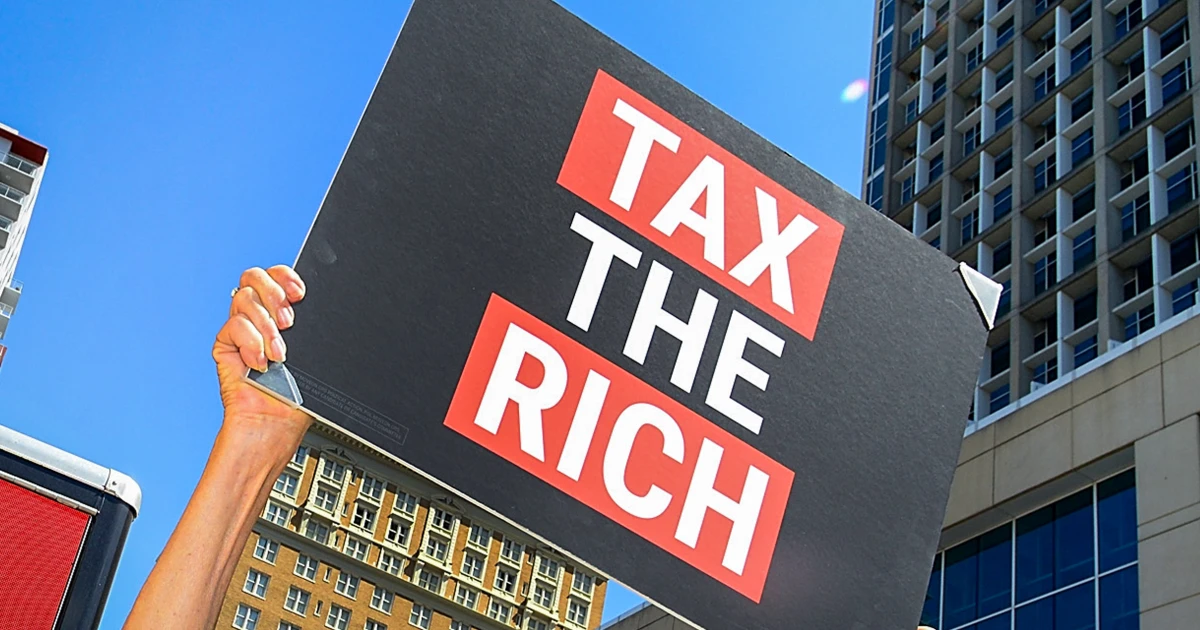
When discussing potential solutions for addressing economic disparities, opinions among voters varied. While some advocated for higher taxes on billionaires, others suggested educational reforms as a pathway to bridging the divide. Yet, a number of individuals expressed skepticism about the government’s ability to effect meaningful change, reflecting a broader sense of disillusionment with political solutions.
Struggles in Daily Life
In light of these economic and social divides, many Americans are facing significant challenges. As noted by Haylin Byrd, a 22-year-old health care worker from Pennsylvania, the realities of juggling multiple jobs and attending college make aspirations like homeownership seem unattainable. “We’re not making as much money as we used to,” Byrd lamented, illustrating the struggles that have become commonplace across demographics in today’s economy.
