


Nigeria’s Intelligence Services: The Unsung Heroes of National Security
For many Nigerians, national security conjures images of soldiers, tactical maneuvers in rugged terrains, and aerial assaults against enemy forces. However, intelligence operations seldom come to mind. Yet, the foundation of any military victory lies in effective intelligence gathering. Intelligence precedes operational successes, whether in surveillance ahead of arrests or in pinpointing the locations of key terrorist figures.
On May 16, 2026, a pivotal operation conducted by the U.S. and Nigerian military led to the elimination of Abbilal al-Minuki, the second-in-command of ISIS. President Donald Trump hailed it as a “well-planned and very complex mission.” General Dagvin Anderson, the commander of U.S. Africa Command, revealed that Nigerian authorities were essential in identifying targets and delivering the intelligence that made this operation possible.
This collaboration between Nigeria’s intelligence services and the U.S. military should have made headlines across the globe, signaling a significant achievement. Instead, it was largely overlooked by the media.
In another notable development, the U.S. State Department apprehended five individuals, including two foreign nationals, linked to the logistics network behind attacks on St. Mary’s Catholic School in Niger State. Law enforcement recovered fifteen AK-47 rifles and over 1,400 rounds of ammunition during this operation. Earlier investigations also led to the sentencing of perpetrators responsible for the tragic Owo Catholic Church attack, showcasing the ongoing commitment of Nigerian intelligence agencies to combat terrorism.
These instances represent major victories in Nigeria’s ongoing struggle against extremism, yet they often go unrecognized. The portrayal of security issues in the media generally highlights attacks and violence while neglecting the breakthroughs achieved by intelligence services. This tendency fuels misinformation, as some social media posts irresponsibly circulate outdated images from other regions, misleading the public about current events in Nigeria.
Terrorist groups thrive on fear and chaos. Their objective extends beyond mere violence; they aim to erode public confidence in government capabilities. By focusing solely on acts of destruction and neglecting the victories against terrorism, citizens inadvertently bolster the narrative of despair that these organizations aim to promote. In contrast, other nations have demonstrated the importance of unity in confronting threats, as seen following events like the September 11 attacks in the U.S. and the recent escalation in Israel.
However, criticism of the government remains essential in a healthy democracy. Before political discourse can take place, it is imperative to ensure the nation’s survival. As Nigeria approaches the 2027 elections, the prioritization of national security should transcend partisan interests. Strengthening community policing and fostering information sharing are crucial steps in creating a safer environment. With over 220 million citizens, comprehensive police coverage is not feasible without community engagement and trust in protective institutions.
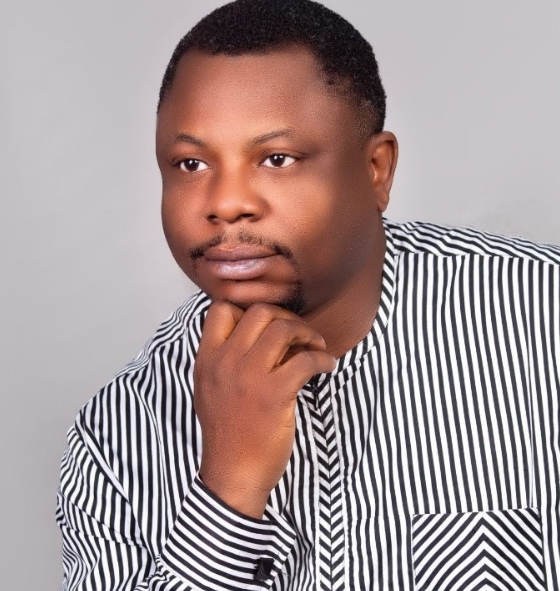
Director-General of the Department of State Services (DSS), Oluwatosin Ajayi, has focused on intelligence-driven prevention since taking office in 2024. Under his leadership, significant actions have dismantled terrorist cells and disrupted kidnapping syndicates, while arms trafficking has come under increased scrutiny. These efforts, although underreported, are critical to national security. The men and women working in intelligence are often unsung heroes, sacrificing their safety for the protection of the public. Their work frequently goes unnoticed, yet it is essential for thwarting terrorist activities and ensuring peace.
Amid the ongoing challenges Nigeria faces, it is imperative to recognize and celebrate the contributions made by our intelligence community. Acknowledging their efforts not only fosters a culture of gratitude but also encourages a more informed public discourse. The victories achieved in the shadows may not always be visible, but they play a vital role in preventing tragedies from occurring. These individuals deserve recognition for their service and sacrifices on behalf of the nation.
