


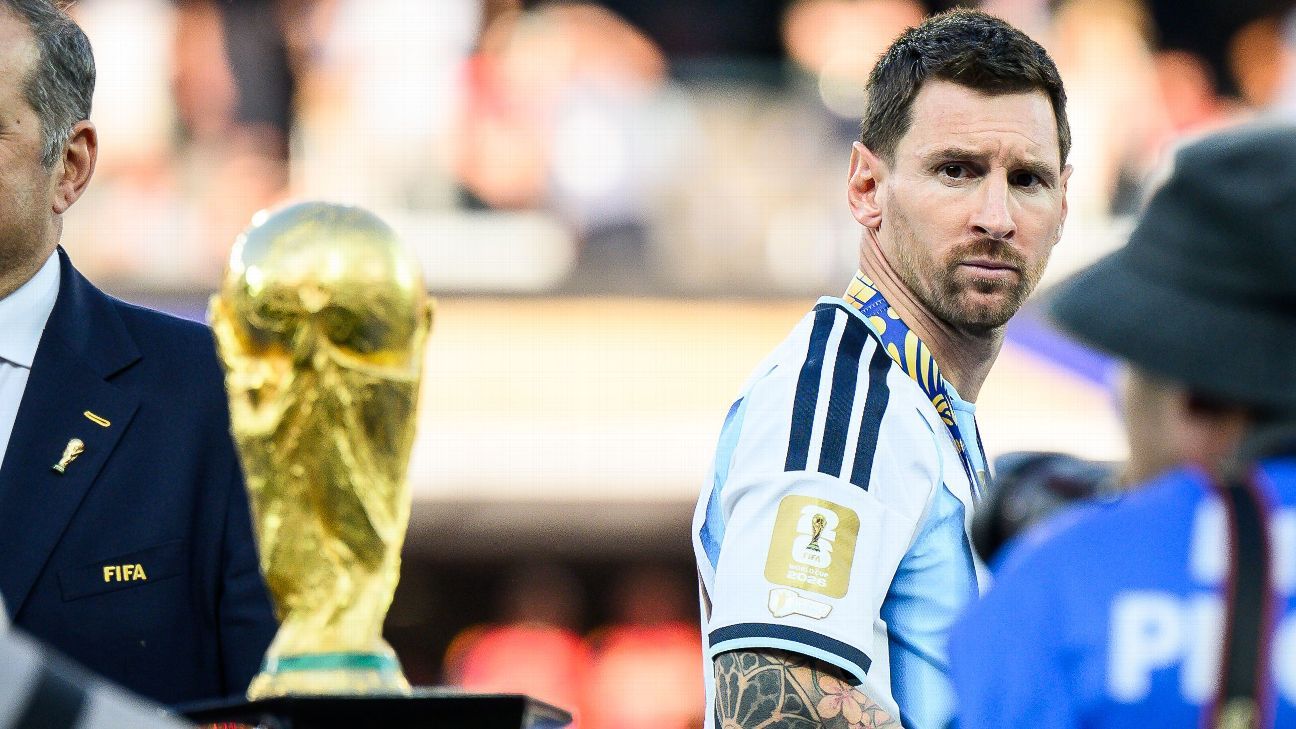
The 2026 FIFA World Cup concluded on June 11, after an exhilarating 104 matches that kicked off with Mexico’s 2-0 victory over South Africa at the iconic Azteca Stadium. Notable athletes like Lionel Messi, Kylian Mbappé, Erling Haaland, and Jude Bellingham showcased their exceptional skills throughout the tournament. Ultimately, Spain emerged as deserving champions.
As we look back on the tournament, it’s a fitting moment to reflect on the highlights and takeaways. Here are key observations from the World Cup.
Spain’s Dominance and a Clear Outcome
While the final match wasn’t without its moments of physicality, it clearly crowned Spain as champions—one of the few World Cup finals to unfold without significant controversy or debate over decisions. Historical mishaps like Randal Kolo Muani’s error in 2022 or Geoff Hurst’s infamous ‘ghost goal’ from 1966 serve as reminders of how unpredictable finals can be. In this case, there was no plausible argument against Spain’s triumph.
Though Spain may not boast as many superstars as countries like England or France, their structured approach from the federation down reflects a well-organized footballing culture. The male players hold titles as World Champions, European Champions, Olympic Champions, and European Under-19 Champions, while the women’s team has also claimed both world and European titles. This consistent success speaks to the robust training and leadership embedded within the sport in Spain.
Messi’s Journey and Post-Match Frustrations
As Argentina bid farewell to their World Cup journey, Messi’s final moments were marred by a confrontation on the pitch. Following Spain’s victory, his teammates expressed their frustration by turning their backs on Spain’s celebrations, even after the latter had extended a guard of honor. The emotional intensity on display reflected the sacrifices and competitiveness that define players at this level.
Messi’s performance throughout the tournament reminded fans of his extraordinary abilities, yet Argentina’s struggle to capitalize on their opportunities raised questions. They were unable to take a shot on goal until the 117th minute in the final, highlighting how Spain’s superiority prevailed through all matches.
Challenges for Argentina’s Coach
Head coach Lionel Scaloni initially relied heavily on veteran players familiar to Messi, perhaps at the expense of a more dynamic strategy. This approach allowed Argentina to advance through the group stages but ultimately faltered in the final matchup. While the team showcased resilience at times, the reliance on older players significantly limited their effectiveness in crucial moments.
Despite the drama surrounding Messi’s talent, Scaloni’s tactics often resulted in sporadic performances rather than a cohesive unit. By limiting the use of creative players and failing to bring fresh dynamics into the knockout stages, opportunities slipped away, overshadowing the undeniable skills of a footballing icon.
France’s Undeniable Talent
Despite a few uneven moments, France displayed remarkable talent throughout the tournament. While they endured a tough opening match against Spain and faced challenges in the later rounds, the overall consistency of players like Mbappé, Ousmane Dembélé, and others highlighted their impressive potential. Under Didier Deschamps, France reached the finals with a ‘players’ manager’ philosophy, leaving fans curious about what a future under a new coach might look like.
England’s Underperformance
Under the leadership of Thomas Tuchel, England demonstrated less cohesion than expected, failing to perform at a level commensurate with their individual talent. After a strong start, the squad struggled to maintain momentum, which ultimately limited their success. England’s inability to adapt their game plan contributed to their downfall against stronger teams, making it imperative for Tuchel to reassess strategies moving forward.
Refereeing Performance and Officiating Issues
While the tournament generally featured strong officiating with few glaring errors, certain controversial decisions stood out. Most notably, the management of disciplinary actions and penalties left much to be desired. The case of Omar Abdulkadir Altan underscores the need for transparent processes regarding referee selections and disciplinary measures to maintain integrity in future competitions.
Rethinking FIFA’s Approach to Marketing
The marketing strategies employed during the World Cup also raised eyebrows. Extravagances like celebrity-laden halftime shows and unnecessary star-studded appearances were met with criticism by fans who felt such distractions detracted from the sport itself. As FIFA continues to evolve, a reexamination of their marketing dynamics could benefit future events, allowing for a greater focus on the game rather than peripheral entertainment.
Assessing the Future of the World Cup Format
The prospect of expanding the World Cup from 48 to 64 teams merits careful consideration. While a larger tournament could indeed celebrate football’s global reach, it risks diluting the competitive spirit if not executed thoughtfully. The financial implications of splitting revenue among 64 teams, coupled with potentially less thrilling matchups in the early stages, suggest that a more strategic approach might be essential to maintain the World Cup’s prestige.
The World Cup as a Cultural Touchstone
The World Cup serves as one of our few global cultural touchstones, bringing countries together despite their differences. For many, it represents a unique opportunity to experience diverse cultures and showcase national pride on an international stage. Throughout its six-week duration, the tournament transforms the world into a smaller, more connected place, reminding us all of our shared love for the beautiful game.
