


Restoring the Integrity of Nigeria’s Attorney General’s Office
For an extended period, the Office of the Attorney General of the Federation (AGF) has been embroiled in controversies that undermined its constitutional importance. The debate over whether the AGF role should be distinct from that of the Minister of Justice intensified, with critics expressing concerns about growing politicization and a subsequent decline in public trust in presidential leadership.
Professionalism Takes Center Stage
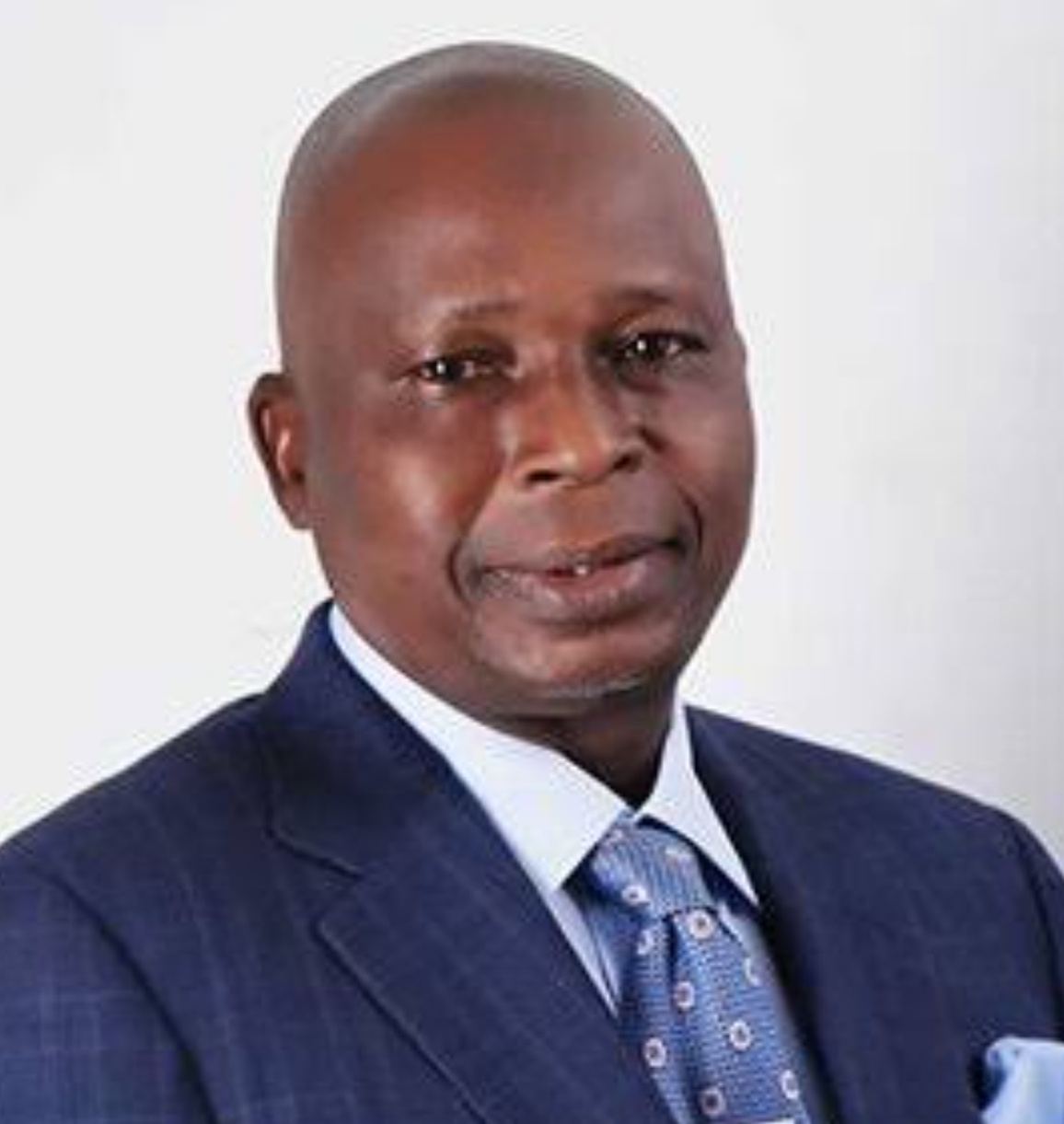
However, an intriguing shift appears to be occurring. Under the stewardship of Prince Lateef Olasunkanmi Fagbemi (SAN), the office’s dignity and prestige are gradually being restored. His tenure has been characterized not by noise but by a commitment to professionalism and a profound respect for the legal institutions he oversees.
A Significant Legal Intervention
It is crucial to note that the relative calm during Fagbemi’s tenure should not be misconstrued as inaction. One of his most impactful initiatives was the legal battle advocating for local government autonomy. Historically, local governments have often been dependent on state governments, with their funding subjected to various levels of control and manipulation.
A Bold Challenge to Established Norms
Under Fagbemi’s guidance, the federal government made the courageous choice to challenge this practice in the Supreme Court. The outcome—an affirmation of local governments’ fiscal autonomy—could potentially rank among the most consequential constitutional rulings of the Fourth Republic. Despite the inevitable challenges regarding implementation, this case illustrates a bold approach to enhancing grassroots democracy and reinforcing constitutional governance.
The Importance of Political Will
The AGF has fulfilled its legal obligations, with the Supreme Court issuing a clear and decisive judgment. The responsibility now lies in the political realm, particularly with President Bola Ahmed Tinubu, to demonstrate the political will necessary for compliance with this ruling, allowing local governments to receive resources directly from the federal account.
Focus on Justice and Accountability
In parallel, there has been a growing emphasis on terrorism prosecutions. The Nigerian public has long sought tangible results beyond mere arrests; accountability through convictions is the real measure of a functioning criminal justice system. The successful prosecution of those behind the Owo Catholic Church tragedy demonstrates that the fight against terrorism extends beyond military engagements and culminates in securing justice through the courts. The Ministry of Justice, under Fagbemi’s leadership, has taken critical strides in this direction.
Leadership with Compassion
Moreover, Fagbemi’s thoughtful leadership was evident during the criticism surrounding the prosecution of minors involved in the EndBadGovernance protests. Faced with public outcry after allegations that vulnerable children had been charged with treason, the AGF intervened. He requested the case files and directed that the prosecution be discontinued, reaffirming that prosecutorial power should serve justice, not merely serve as an instrument of punishment.
A Shift in Public Perception
Notably, the AGF’s office has largely stayed out of heated public debates and institutional conflicts, a departure from previous administrations. Fagbemi has exhibited the restraint, professionalism, and dignity expected from the nation’s top legal officer. His commitment to separating his office from partisan politics marks an important distinction; the AGF role should transcend political ambitions.
Bringing Credibility Back to the AGF
Discussions about separating the AGF role from the Minister of Justice have long been fueled by concerns around the potential conflicts between professional duties and political interests. While previous occupants of the office faced numerous controversies that heightened these discussions, Fagbemi’s approach has diminished the intensity of the debate, as public trust has been gradually restored. His tenure highlights that organizational issues often stem less from structural design and more from the individual occupying the position.
The Path Forward for the AGF
Despite the challenges ahead, the current AGF’s greatest achievement may well lie in restoring the office’s dignity and credibility, which at times has been compromised. In a landscape where politics often rewards ostentation, history is likely to honor those who yield lasting results. While it may be premature to make a definitive judgment on his tenure, early indicators suggest that Fagbemi might be fostering a shift towards prioritizing systems over personal ambitions, emphasizing law over politics—a commendable approach in a country frequently distracted by noise.
In this context, a quiet revival of the AGF’s office could emerge as a lasting legacy.
Dr. Remy Ugegbe, FIMC, CMC
le******************@***il.com
WhatsApp only: +2348069716645
