


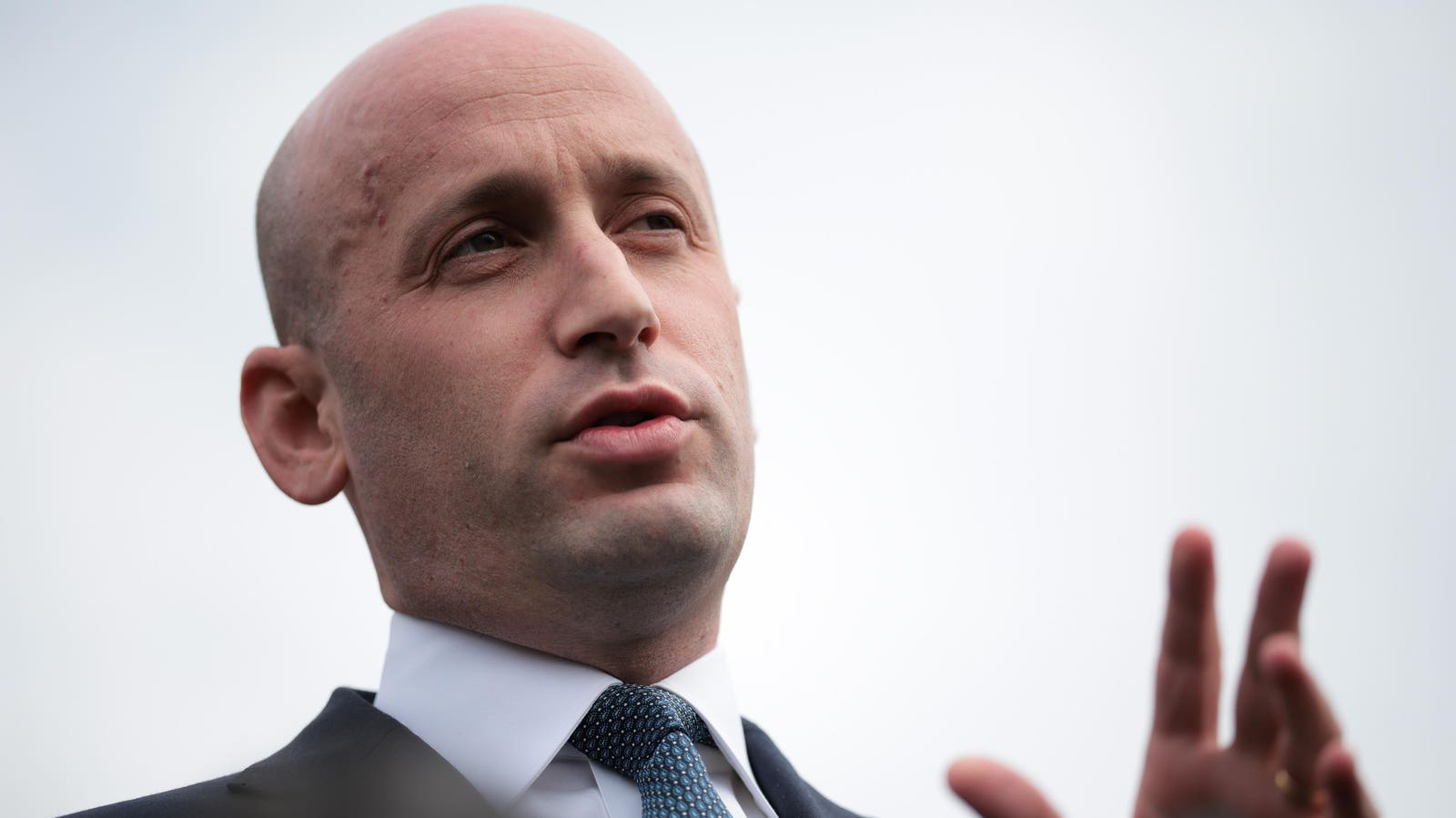
Stephen Miller’s Dominance Over Immigration Policy Revealed
A new book sheds light on the influential role of White House Deputy Chief of Staff Stephen Miller in shaping the Trump administration’s immigration policy. In “Regime Change: Inside the Donald Trump Empire,” authors Maggie Haberman and Jonathan Swan detail how Miller directed immigration strategies, requiring immigration authorities to report directly to him. His impact during the initial year of the Trump presidency is starkly illustrated through various events, including the controversies surrounding the deaths of Renee Goode and Alex Preti in Minneapolis and actions taken against Harvard University.
Haberman and Swan open the book with a compelling essay about Donald Trump, positing that had he secured consecutive terms starting in January 2021, his power would be unprecedented. In a related interview, Trump echoed their sentiments. During the four years between his terms, Miller leveraged this time to reassess strategies and lay the groundwork for a politically ambitious agenda that aimed to deport millions and restrict legal immigration.
Miller’s Strategy to Utilize Trump for Immigration Goals
Initially, Miller was not part of Trump’s team during the candidate’s first campaign. However, he later expressed excitement over Trump’s inflammatory remarks against Mexican immigrants during his announcement speech in 2015. Joining the campaign in January 2016, Miller soon became pivotal in shaping policy during Trump’s first term.
Among his achievements, the Supreme Court-approved “Muslim Ban” marked a significant milestone in Miller’s immigration agenda. This policy restricted entry from seven predominantly Muslim countries, setting a dangerous precedent that evolved into a broader ban affecting 39 nations in subsequent years, significantly impacting the legal immigration landscape.
Exploiting the Pandemic to Enact More Restrictions
Furthermore, Miller seized upon the COVID-19 pandemic as an opportunity to push through new prohibitions. These measures included halting nearly all family immigration and barring many work visa holders from entry. Economic experts have critiqued such actions, suggesting that reducing the number of visa holders does not correspondingly benefit U.S. workers. Research indicates that immigrant workers often stimulate economic growth, contradicting the perception that they take jobs from native-born citizens.
The National Foundation for American Policy (NFAP) reported that cuts to immigration have not only failed to assist American workers but may also lead to a substantial drop in U.S. job numbers and economic growth. Projections estimate a loss of approximately 6.8 million jobs by 2028 alongside a significant decline in GDP, highlighting the paradox of Miller’s policies aimed at curtailing labor supply.
Miller’s Covert Communication Tactics
The book also discusses Miller’s approach to communication, pointing out his tendency to avoid putting instructions in writing. By relying on private conversations, Miller effectively sidesteps disclosure of his directives and decision-making processes, fostering a culture of secrecy. Haberman and Swan illustrate how this strategy allows him to assert authority, often claiming he has direct backing from Trump during policy discussions, which prevents challenge from peers.
Mass Deportation Initiatives Under Miller’s Guidance
As outlined in the book, Miller collaborated closely with ICE’s former chief, Tom Homan, to implement mass deportations, framing it as a national imperative. While Trump’s rhetoric leaned towards deporting only serious criminals, Miller’s broader aims included targeting all undocumented immigrants and stripping legal protections from many asylum seekers.
The authors detail how Miller established aggressive arrest quotas, with a goal of deporting over one million individuals annually, resulting in a problematic and often abusive enforcement environment. Such policies sparked public outcry and raised concerns regarding racial profiling and excessive force, particularly in operations targeting immigrant populations.
Complexities of Trump and Miller’s Immigration Agenda
Ultimately, the book underscores the complicated dynamics between Trump and Miller, suggesting that Miller’s power emanates from Trump’s presidency and approval of his hardline immigration stance. Despite Miller’s aggressive tactics, there’s an acknowledgment that these policies may alienate moderate voters crucial to electoral success. The authors conclude that Trump’s personal endorsement and shared ideology with Miller overshadow the divisive implications of their immigration strategy.
