


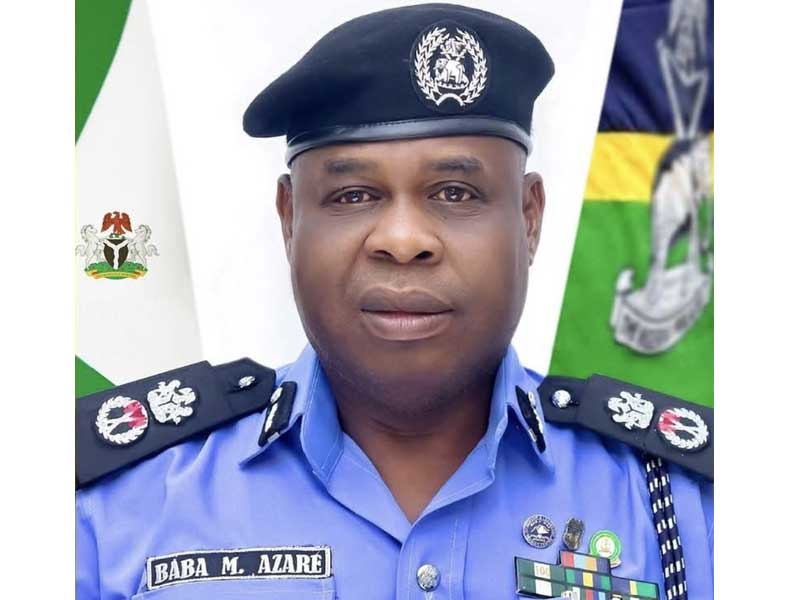
Police Chief Advocates for Mentorship in Law Enforcement Leadership
Okon Bassey of Uyo
Baba Mohammed Azare, the Police Commissioner for Akwa Ibom State, urged senior officers within the Nigeria Police Force to prioritize mentorship as a core aspect of their leadership roles. This call to action was made during a speech titled “Mentorship in the Police: Developing the Next Generation of Professional Police Leaders,” which took place at the command’s month-end meeting at its headquarters in Lukot Akpan Abia, Uyo State.
Addressing a gathering of police personnel from various regional commands, tactical units, and divisions, CP Azare emphasized that the long-term effectiveness and credibility of the Nigeria Police Force are heavily reliant on the caliber of leadership nurtured in the present. He articulated that mentorship serves as a vital tool for organizational growth, asserting that effective policing extends beyond mere law enforcement; it involves cultivating ethical, service-focused officers who embrace the core values of the force.
Azare underscored the dual responsibilities that senior officers bear. He highlighted the importance of not only directing personnel and achieving operational goals but also fostering the development of younger officers for future leadership positions. According to him, today’s junior officers represent the future leadership of the force, including positions such as Police Commissioners and Superintendents, and therefore, deliberate mentorship is crucial.
Furthermore, CP Azare stressed the need for experienced officers to share essential organizational knowledge, work ethics, and investigative techniques with their junior counterparts. He pointed out that many key competencies required for effective policing are best acquired through hands-on experience and structured learning rather than solely through formal classroom instruction.
Additionally, he highlighted the role of mentorship in reinforcing professionalism, accountability, and respect for human rights within the policing framework. Officers who receive adequate guidance and positive leadership are more inclined to uphold ethical standards and demonstrate integrity, which is essential for maintaining public confidence in law enforcement.
As part of his address on leadership succession, CP Azare urged his colleagues to perceive leadership as a strategic investment in the future of police operations. He noted that the true measure of effective leadership transcends mere crime statistics or arrest numbers; it should also encompass the development of well-trained officers and the instillation of professional values that will benefit future generations.
On the subject of human rights in policing, Azare reminded officers that modern policing demands transparency, accountability, and respect for human dignity. He expressed that police conduct significantly influences public trust and the overall image of the force, prompting senior officers to continuously guide junior personnel in accordance with these principles.
The Commissioner called on all officers to cultivate a culture of leadership within their areas of responsibility, stressing that the lasting impact of police leadership is defined not by the positions held but by the leaders developed over time. This conference embodies the command’s ongoing commitment to enhancing professional excellence, ethical conduct, leadership development, and effective service in alignment with the vision of a modern, accountable, and community-focused police force.
