


Launch of Fertilizer Distribution Program to Support Smallholder Farmers
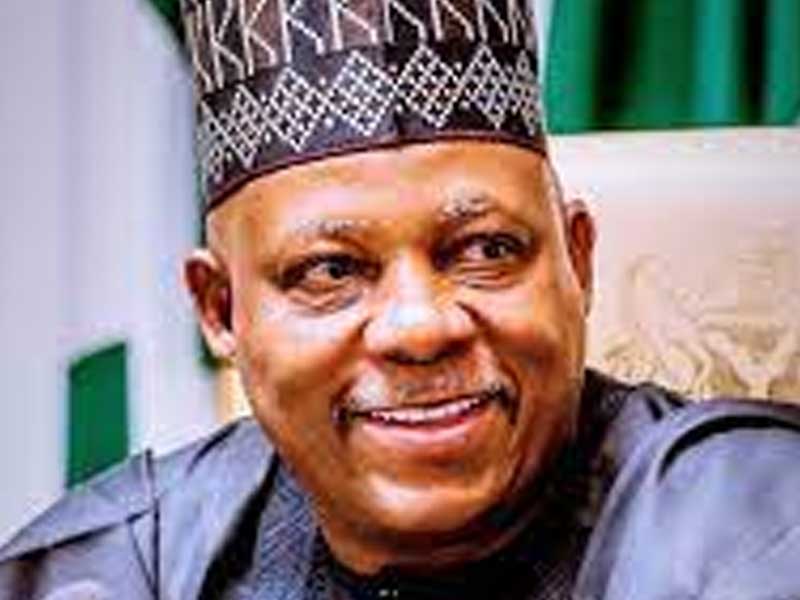
Vice President Kassim Shettima officially launched a nationwide distribution of 515,720 bags of urea and NPK fertilizers on Monday, aimed at supporting 128,930 smallholder farmers across 25 states and the Federal Capital Territory (FCT). This initiative is part of efforts to boost food production and enhance national food security. Implemented under the National Agricultural Development Fund’s (NADF) Renewable Agriculture Input Support Program (FISP), the program seeks to lower production costs for farmers, increase crop yields, and assist in the government’s larger strategy to combat food inflation and improve rural livelihoods.
Targeting Smallholder Farmers for Agricultural Growth
Shettima, represented by the Minister of State for Agriculture and Food Security, Dr. Aliyu Sabi Abdullahi, emphasized that this initiative is a significant step towards realizing President Bola Tinubu’s New Hope Agenda for the agricultural sector. The program specifically addresses the needs of smallholder farmers who cultivate less than half a hectare of land, a demographic that is pivotal to Nigeria’s food production ecosystem. Notably, 11,210 bags of fertilizer have been designated for 2,930 registered farmers within the FCT alone.
Strengthening Agricultural Productivity
The Vice President highlighted that the provision of these fertilizers underscores the government’s commitment to enhancing agricultural productivity and uplifting farmers. He stressed the importance of a transparent distribution process, urging all stakeholders to prioritize equitable delivery of fertilizers, particularly to women, youth, and vulnerable farmers. Ensuring better access to essential agricultural inputs is central to the government’s efforts to increase domestic food production, fortify agricultural value chains, and elevate the quality of life for rural communities.
Timely Intervention for Farmers
During the event, NADF Director-General and Chief Operating Officer Mohamed Ibrahim noted that the timing of this intervention is crucial for farmers as they prepare their fields. He remarked on the national responsibility surrounding food security, emphasizing its significant impact on economic stability, job creation, and household welfare. Ibrahim stated that food security should be viewed as a top priority and a key driver of rural prosperity and the overall well-being of Nigerian families.
Ensuring Transparency and Quality in Agricultural Inputs
Mr. Ibrahim elaborated that the agricultural input support program is meticulously designed as a targeted measure to guarantee that quality agricultural inputs are accessible to farmers when most needed. He assured stakeholders that all fertilizers provided under this program are locally produced, traceable, and distinctly marked as “not for sale” to enforce accountability and prevent any misuse.
Addressing Food Insecurity through Legislative Support
The initiative received additional backing from Hon. Bello Kaoje, Chairman of the House Agricultural Production and Services Committee, who labeled it as a proactive approach to the growing challenges of food insecurity and hunger. Kaoje indicated that the program is poised to amplify agricultural output, stabilize prices, and foster inclusive economic growth by enhancing the productivity of smallholder farmers nationwide.
Monitoring and Evaluation of the Intervention
The federal government has pledged to closely monitor and evaluate the fertilizer distribution initiative. This oversight is aimed at ensuring transparency, accountability, and measurable outcomes in agricultural productivity, food availability, and rural livelihoods. This intervention represents another step by the Tinubu administration to improve farmers’ access to essential agricultural inputs and fortify food production in the country, aligning with broader efforts to achieve sustainable food security across Nigeria.
