


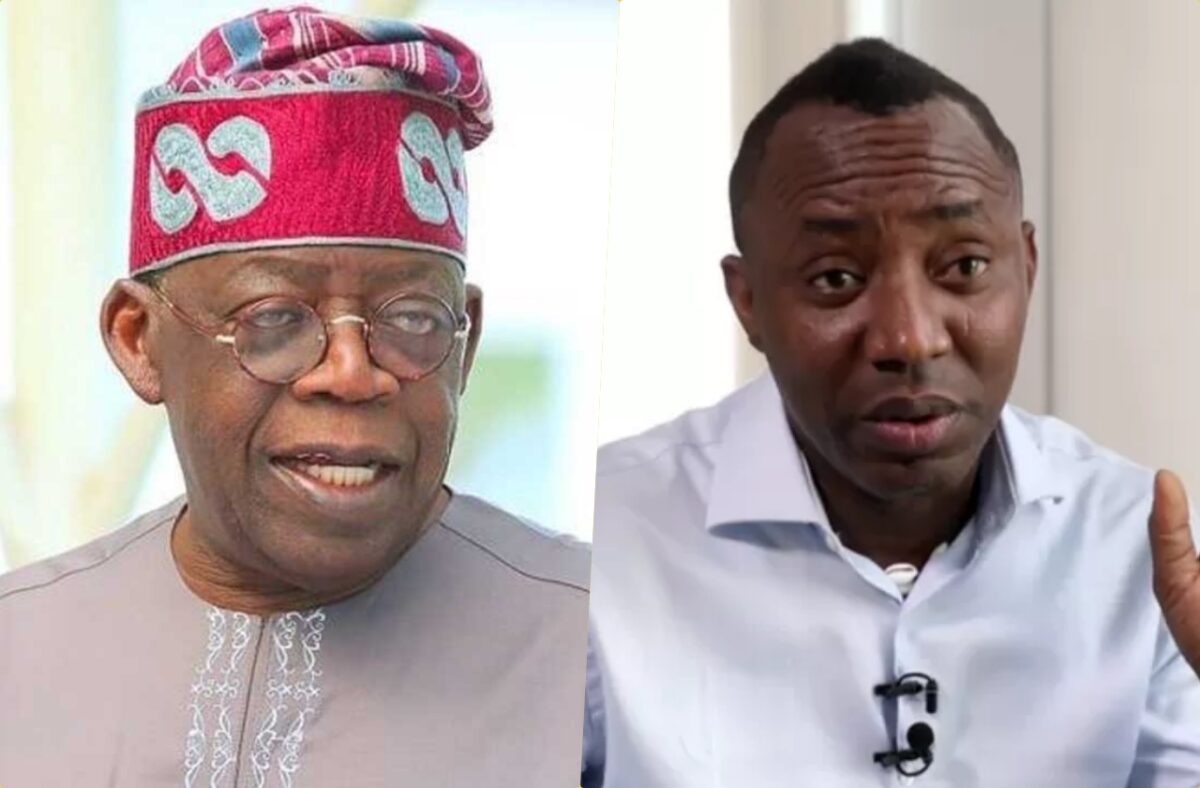
Activist Raises Alarm Over Security Failures Following General’s Death
Omoyele Sowore, a prominent human rights activist and the African Action Congress (AAC) presidential candidate for the upcoming 2027 elections, has sharply criticized the Nigerian federal government in light of the tragic death of retired Major General Rabe Abubakar while in the hands of kidnappers. Sowore questions the circumstances surrounding Abubakar’s death and accuses authorities of failing to address the deteriorating security conditions in Nigeria.
Echoes of Past Abductions Highlight Security Concerns
In a recent Facebook post, Sowore reflected on the earlier abduction of a sitting brigadier general by Boko Haram insurgents, emphasizing that despite urgent pleas for rescue from the military, the officer was never retrieved, and his remains were never found. He pointed out that this latest incident involving a retired general underscores the government’s inability to adequately safeguard both military personnel and civilians from pervasive criminal threats.
Sowore Challenges Government’s Narrative
Sowore took aim at the government’s explanation for Abubakar’s death, questioning the claim that he died of “natural causes.” He remarked, “Boko Haram once captured a serving Brigadier General. He called for rescue but to date he has never been rescued and his body has not been recovered. Now they have kidnapped a retired Brigadier General who died in captivity.” His observations have sparked a flurry of reactions across social media.
Frustration Grows Among Citizens
Reactions to Sowore’s comments have revealed a widespread frustration among Nigerians concerning the ongoing security challenges and the authorities’ handling of high-profile kidnappings. Many users echoed his sentiments, lamenting that while security agencies actively target dissenting voices online using advanced surveillance techniques, they seem incapable of intervening when kidnappers communicate with victims’ families to negotiate ransoms.
Call for Accountability and Action
Critics have voiced strong discontent with political leaders and security officials, asserting that they often provide excuses rather than offering solutions to the escalating crisis. This has led to renewed scrutiny of the government’s deradicalization and reintegration programs aimed at rehabilitating surrendered insurgents. Detractors argue that while alleged terrorists are given fresh starts, innocent victims and their families are left to endure the lifelong consequences of violence.
Public Perception of Impunity Deepens
The perceived lack of accountability in handling terrorism has fueled concerns about impunity among both political and criminal actors. Critics also express that this situation has severely undermined public confidence in the nation’s counterterrorism strategies, further complicating efforts to rein in rampant crime.
Security Crisis Remains in Focus
The controversy surrounding the death of the retired general has intensified scrutiny on Nigeria’s overarching security crisis, triggering calls for decisive and responsible actions against terrorism, banditry, and kidnapping. For many Nigerians, this tragic event has reinforced long-standing doubts regarding the state’s ability to fulfill its primary duty: to protect its citizens, effectively rescue those held captive, and ensure that perpetrators of violent crimes are held accountable.
