


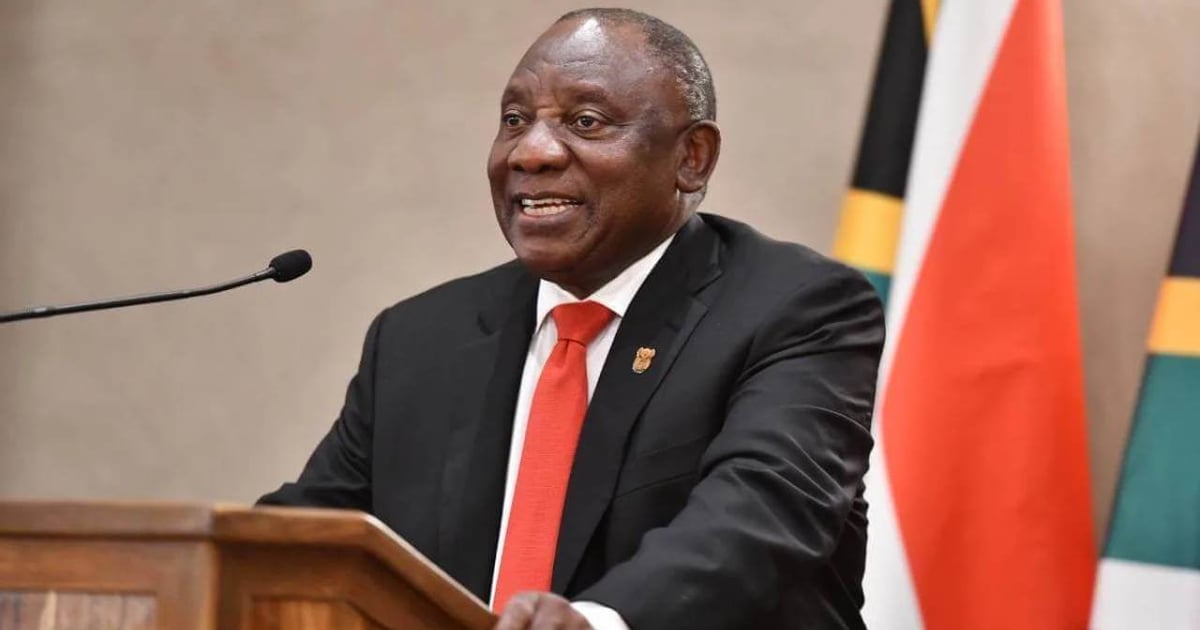
In his recent State of the Nation address, South African President Cyril Ramaphosa unveiled a series of significant technology initiatives aimed at transforming the nation.
These reforms are designed to boost economic performance, enhance public services, and reinforce national security.
Key initiatives include the implementation of digital identity systems, the use of artificial intelligence (AI) and data analytics to combat organized crime, and the modernization of the energy sector. The government is also targeting substantial investments in data centers to further drive its technology agenda.
Launch of Digital Identity System
President Ramaphosa announced that the Department of Home Affairs (DHA) is set to roll out a digital identity system in 2026, aimed at providing all South Africans with secure online access to government services.
The initiative will digitize various services, including driving licenses and police statements, allowing citizens to check their eligibility for South African Social Security Agency (SASSA) grants remotely. This digital transformation is framed within the MyMzansi Platform, which strives to create a streamlined access point for public services.
According to Ramaphosa, “Soon, South Africans will no longer need to visit government offices or navigate cumbersome manual processes to access essential services.”
Leveraging AI and Data Analytics to Combat Crime
Ramaphosa emphasized the government’s commitment to utilizing technology and intelligence to bolster efforts against organized crime and criminal syndicates.
He pointed out the urgency in addressing the threats posed by illegal and counterfeit goods, which undermine South Africa’s economic stability and job security.
The National Illicit Economy Disruption Program will employ AI and data analytics to focus on high-risk areas, such as tobacco, fuel, and counterfeiting. Additionally, Ramaphosa introduced plans to enhance border security through advanced technology, including drones, which have already begun making a measurable impact.
Expansion of Data Center Infrastructure
Currently, South Africa operates 55 data centers and aims to invest over R50 billion (approximately US$3 billion) in strengthening its digital infrastructure over the next three years.
Ramaphosa stated that innovative financing models and new regulations for infrastructure funds are being developed to mitigate risks and attract investors in the energy, water, transport, and digital sectors.
Incentives for Energy and Green Technology
The president reiterated the introduction of a 150% tax credit for new energy vehicles (NEVs) while highlighting the critical need for local battery production and the growth of green manufacturing.
Plans also include independent transmission projects and modernizing the power grid following load shedding, with a goal to increase renewable energy targets to 40% by 2030.
“The tremendous opportunity lies in green growth,” Ramaphosa asserted. He underscored the pivot toward an economy that prioritizes the production of trusted global products, supporting a broad range of green industries from fertilizers to steel and jet fuel.
