


Challenges Facing Refugees Amid Immigration Policy Changes
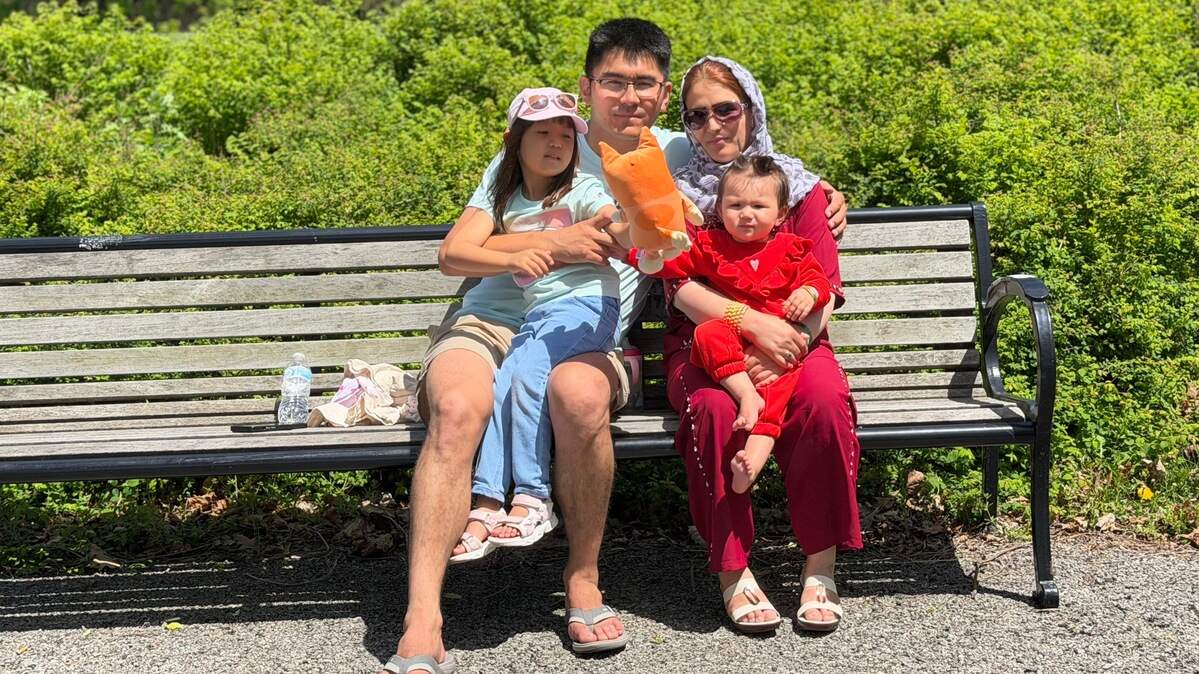
In 2023, Mohammad “Rahim” Sultani and his family sought refuge in Columbia, South Carolina, fleeing Afghanistan due to threats of Taliban violence. However, their pursuit of safety has been complicated by the complexities of the U.S. immigration system. The latest challenge? Their youngest daughter, born on U.S. soil, is now at risk of losing her citizenship.
Sultani expressed the emotional toll these developments have taken on his family. “We came here to find a piece of life for us and our families,” he said. “But now, we face another problem and are hearing that all our fundamental rights are being restricted.” With three children, including a daughter born in May 2025, the family has been awaiting green card approvals for over 18 months, often without any updates.
The Impending Redefinition of Birthright Citizenship
As the U.S. Supreme Court deliberates the constitutionality of an executive order enacted in January 2025, the concept of birthright citizenship hangs in the balance. Traditionally, this principle, established in the late 19th century, grants citizenship to anyone born on U.S. soil. However, the new executive order threatens to redefine this concept, potentially excluding children born to non-citizen parents or those lacking legal permanent residency.
Refugees like the Sultanis find themselves caught in a precarious situation, as the executive order does not specifically address their legal status until their green card applications are finalized. The Supreme Court’s earlier ruling noted that justices lacked the authority to block former President Donald Trump’s executive order, which has not yet been implemented. A decision from the Court is expected soon.
Impact on Families and the Future of Children
Should the Supreme Court endorse the redefinition of birthright citizenship, significant questions remain regarding its applicability. Will it affect only children born post-ruling, or will it retroactively impact those born after the issuance of the executive order? Sultani and his family remain anxious about their youngest child, born just four months after this controversial directive.
“We are worried because we don’t know what her situation will be, even if it gets canceled,” Sultani lamented. “I have aspirations for her, and if her status becomes a barrier, it weighs heavily on us.” Since 2025, Sultani has worked as a case manager at Lutheran Services Carolina’s New Americans Program, supporting refugees seeking asylum. He has observed prolonged wait times for family green cards, alongside rising bureaucratic costs.
Public Sentiment on Birthright Citizenship in South Carolina
A recent Winthrop University poll revealed that a majority of South Carolinians, approximately 84%, support birthright citizenship for children born to legal immigrants. However, this support dwindles to 45% for those born to parents without legal status. The survey, which involved over 1,400 participants, highlights that immigration remains a priority, yet views on birthright citizenship often align with political affiliations.
South Carolina Attorney General Alan Wilson, alongside a coalition of 20 other state attorneys general, recently filed a brief with the Supreme Court in support of Trump’s 2025 executive order. Wilson stated that the order clarifies the intentions of the Citizenship Clause, claiming it was never meant to reward illegal immigration or birth tourism.
Implications for Refugee Services and Community Support
Organizations supporting immigrant families are grappling with funding cuts and increased demand for services. The New Americans Program, which serves both North and South Carolinians, has faced significant challenges since Trump’s administration began in January 2025, resulting in a workforce reduction of over 40%. Seth Hershberger, the state program director, expressed concerns over the reduced capacity to provide critical services.
“We have to limit our services and focus only on the essentials for our clients,” Hershberger noted. Although the number of incoming refugees has declined, families still rely on support for up to five years. The potential changes related to birthright citizenship threaten children’s access to public benefits, heightening anxiety within the refugee community.
The financial strain of navigating potential legal battles looms large for immigrant families. Increasing attorney fees to resolve citizenship issues further burden those already facing significant challenges. Adam Protheroe, an attorney at S.C. Appleseed, underscored the importance of established legal precedents to protect the rights of individuals affected by these potential changes. He warned that redefining birthright citizenship could lead to severe consequences for future generations.
