


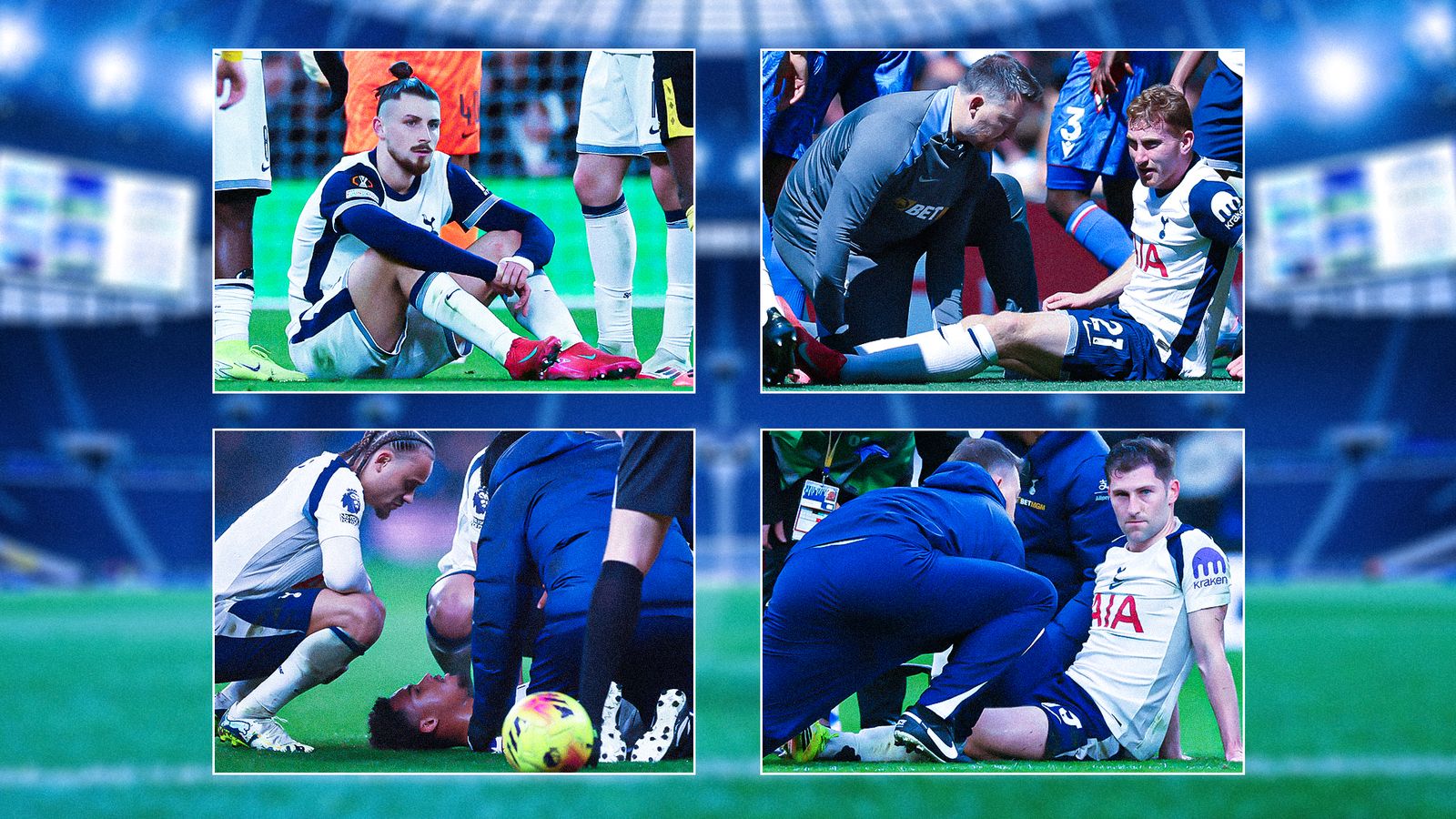
Spurs Evaluate Performance and Medical Departments Amid Injury Crisis
Tottenham Hotspur is conducting a comprehensive review of its performance and medical departments, including examining whether the retractable pitch at Tottenham Hotspur Stadium may be contributing to the club’s significant injury problems. This season, Spurs have experienced the highest number of injury-related absences in the Premier League, totaling 370 missed games—a record for any team in the top flight.
End-of-Season Home Win Slips Away
As Roberto de Zerbi’s side faced a crucial final day match against Everton to secure their Premier League status, the club’s management of player fitness fell short, placing them on the brink of relegation. This lack of effective injury management exacerbated their predicament, underlining the pressing need for intervention.
Continued Injury Struggles for Spurs
This marks the second consecutive season that Spurs have faced a serious injury crisis, leading to the most days lost and games missed due to injury among all Premier League teams since the start of the 2024-25 season. The club, which ranks as the ninth richest in the world, has been severely impacted by this ongoing issue, finishing in 17th place in the league standings.
Assessment of Injury Issues by New Performance Director
Following three months in his role, Spurs’ new performance director, Dan Lewindon, has completed a thorough review of the club’s injury challenges, with a specific focus on the stadium’s retractable pitch. Players like Dejan Kulusevski and Radu Dragusin have sustained serious knee injuries at home, while James Maddison suffered a partial anterior cruciate ligament tear last May, followed by a complete tear three months later in South Korea.
Conducting Detailed Pitch Assessments
This season alone has seen multiple significant injuries, including an ankle fracture for Ben Davies and a ruptured ACL for Wilson Odbert. Although Tottenham conducts regular external tests to measure the pitch conditions compared to their training facilities, results to date have been inconclusive. New detailed assessments are slated for the coming weeks to identify discrepancies between the home ground and other Premier League venues, with Real Madrid’s recent injury issues also under scrutiny as they evaluate their own retractable pitch.
Strategies for Injury Prevention at Tottenham
Totenham has registered 123 injuries since the onset of the 2024/25 season, only trailing Arsenal, who reported 146 injuries. A large number of players have faced setbacks, including Mohamed Kudus, compounding the already overwhelming situation. In a letter to fans, Spurs’ non-executive chairman, Peter Charrington, promised a renewed focus on improving medical care and performance standards. The review has indicated structural problems within the performance department, highlighting issues such as a lack of communication and shared decision-making that exacerbates player injuries.
Addressing the Hurdles of Management Changes
De Zerbi is also advocating for enhanced individual support for players, which has prompted Lewindon to adopt a team-based approach, assigning physiotherapists to smaller groups of athletes. This strategy aims to facilitate more tailored training programs and enhance decision-making regarding player fitness. Moreover, the high turnover in management, with four different head coaches over the past year, has led to varied training demands, potentially increasing the risk of injury among players.
Revisiting Critical Injury Responses
Criticism surfaced regarding the handling of player injuries, particularly involving Xavi Simons, who was sent back onto the pitch after receiving treatment, only to later leave on a stretcher with a serious injury. While some supporters questioned the judgement call, the club maintains that the assessment was reasonable given the circumstances. Consistent injury-related challenges have prompted Maddison to urge a thorough investigation into the underlying factors affecting the team’s injury record. He emphasized that the absence of key players has notably impacted their league standing, calling for more comprehensive evaluations to understand and tackle the chronic injury issues plaguing the club.
