


Nationwide Support for State-Controlled Policing Proposed
A landmark proposal in Nigeria is advocating for constitutional backing of state-controlled policing. The initiative promises to significantly reshape the country’s internal security framework.
Reforms Aimed at Addressing Insecurity and Enhancing Federalism
In a historic move, the Senate on Wednesday advanced President Bola Tinubu’s State Police Bill 2026, marking what could be the most substantial restructuring of Nigeria’s policing system since the return to democracy in 1999. This bill paves the way for transforming the current centralized police model into a dual federal-state policing system.
Key Elements of the Proposal
The proposed constitutional amendment aims to empower individual states to create and operate their own police services. While states will have this authority, a federal police force will remain in place to manage national security, terrorism, organized crime, cybercrime, arms trafficking, and other interstate or international crimes.
Legislative Milestone Achieved
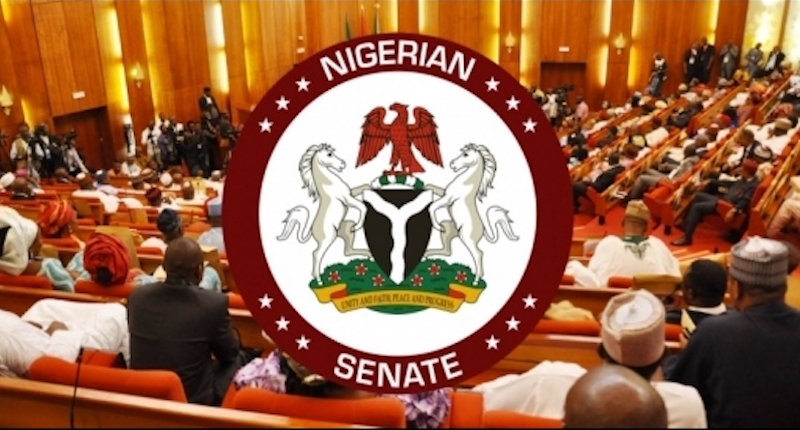
Following a robust discussion, the bill successfully passed a key legislative hurdle in the National Assembly, having been scrutinized through 26 clauses during a comprehensive plenary session. Senators raised their hands to cast votes, which were counted by the Senate clerk, illustrating the democratic process in action.
Broad Support and Legislative Debates
The Senate’s proceedings attracted considerable attention, with several senior government and state officials present, leading to a discussion about allowing non-members to observe. This debate illuminated the intense interest surrounding policing reforms in Nigeria, culminating in a compromise that permitted visitors inside the chamber for direct observation.
Advocating for Decentralization
Senate Majority Leader Michael Opeyemi Bamidele, who championed the bill, emphasized its significance, asserting it addresses long-standing issues regarding the structure and effectiveness of Nigeria’s police force. He pointed out that the increasing complexities of security threats, including terrorism, banditry, and organized crime, have outpaced the capabilities of a centrally managed police force.
Framework and Restrictions on Police Power
The amendment proposes that states will not automatically manage police services. Each state must enact its own laws to establish a police force and ensure it meets national standards. Crucially, governors will be prohibited from deploying state police for partisan motives, which aims to safeguard against misuse of authority. An independent State Police Commission will be formed in each state to oversee crucial aspects such as recruitment, promotion, and discipline, ensuring professional oversight in local law enforcement.
Federal Intervention Guidelines and Leadership Appointments
This bill outlines specific conditions under which federal intervention in state police operations may occur, such as during significant public order breakdowns. Such interventions will require presidential authorization and be subject to judicial review. Furthermore, the proposal includes a new procedure for appointing police leaders, enhancing accountability at both federal and state levels by necessitating recommendations from national councils and approvals from respective legislative bodies.
Support from Diverse Political Figures
Senators across the political spectrum have expressed support for the bill, citing the urgent need to address Nigeria’s escalating security crisis. Notably, Sen. Enyinnaya Abaribe, who initially resisted the state police concept, now advocates for reforms that consider local realities. The general consensus highlights a collective desire for innovative solutions to enhance security nationwide.
A New Era for Nigerian Policing
The passage of the State Police Bill marks a critical step toward decentralizing policing in Nigeria. While supporters view it as a necessary evolution to tackle security challenges, critics voice concerns regarding potential political interference. As the legislative process continues, the implications for policing in Nigeria promise to spark ongoing debate and scrutiny, highlighting the complexity of balancing local governance with national security priorities.
