


Written by James Nwachukwu
Nigeria’s Historic Police Bill Marks Future of Security Reform
The recent passage of the state police bill represents a significant milestone in Nigeria’s legislative landscape and underscores a proactive response to the country’s pressing security challenges. This initiative reflects a forward-thinking approach that has effectively navigated the complexities of institutional inertia.
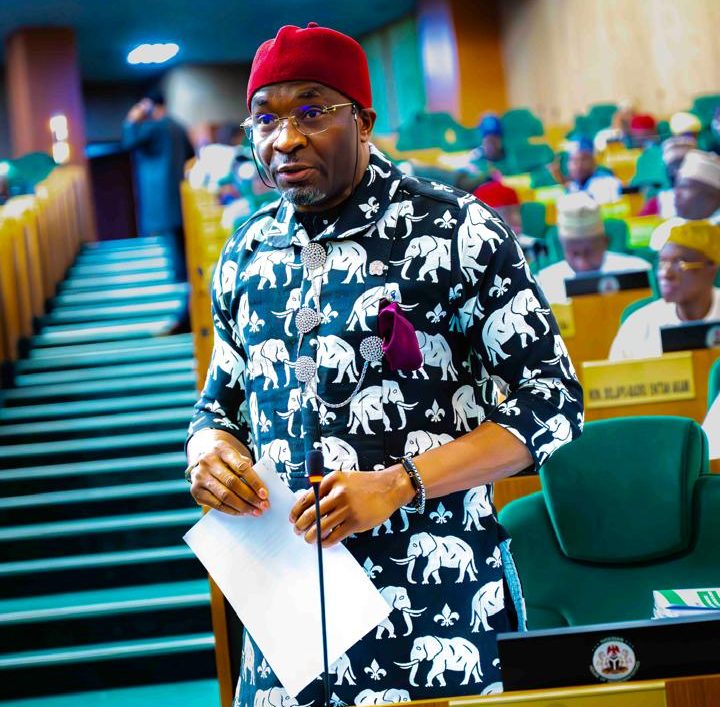
As the primary advocate for this legislation, Deputy Speaker of the House of Representatives, Rt. Benjamin Okezie Kalu, transformed a proposal once seen as marginal into a pivotal constitutional amendment. His leadership has been instrumental in redefining Nigeria’s security architecture.
New Constitutional Framework Empowers State Policing
On June 11, 2026, Nigeria made history with the passage of the “Changes to the Constitution of the Federal Republic of Nigeria Bill 1999 Providing for the Establishment of State Police Forces and Related Matters 2026 (Sixth Change).” This bill, which now mandates that each federal member state has the constitutional authority to establish its own police force, was passed by the House of Representatives with due diligence. However, the Federal Capital Territory, Abuja, will maintain its exclusive federal police force due to its defined constitutional status.
Identifying Flaws in Centralized Policing
Long before insecurity became a critical issue, Kalu identified inherent weaknesses in Nigeria’s centralized police structure. Since the British colonial era, which established a uniform police command in 1930 following the amalgamation of southern and northern protectorates, the country has struggled to effectively manage law enforcement across its 36 states and 774 local government areas, which serve a population exceeding 220 million.
The outdated policing model, designed for a sparsely populated colonial administration, has proven inadequate in today’s context of rapid urbanization and modern security threats, leading to inefficient response times and inadequate local enforcement capabilities.
The Need for Decentralization
With Nigeria grappling with banditry, kidnappings, and herder-farmer conflicts, the push for decentralization is timely. A more localized police framework is not just desirable; it is essential for improving response times, fostering better community intelligence, and ensuring public accountability. Kalu has emphasized that effective policing requires a move away from the archaic centralized model inherited from colonial rule.
Building Consensus Amid Skepticism
Despite facing skepticism regarding the bill’s design and potential for abuse by governors, Kalu navigated the legislative process with strategic perseverance. He initiated repeated revisions, engaged diverse stakeholders, and addressed concerns about command fragmentation and operational politicization. This collaborative approach helped build consensus around the need for a reformed policing model.
While some voiced fears about local governance overreach, Kalu stood firm in advocating for a decentralized approach that empowers communities while enhancing the overall security framework. His vision included appropriate recruitment, oversight mechanisms, and federal standards to alleviate concerns that skeptics had raised.
Global Context of Decentralized Policing
Nigeria is not treading this path alone; numerous federal systems worldwide have adopted decentralized policing models. In the United States, for instance, there are over 18,000 local police departments, while Germany and Canada also allow states and provinces to maintain their own police forces. This global trend supports the case for Nigeria to implement an effective state policing model.
Celebrating Legislative Collaboration and Future Prospects
The successful passage of this bill owes much to the collective effort of lawmakers who recognized the importance of public safety over partisan politics. During the voting, an overwhelming majority—289 of 290 members—expressed their support for the bill, highlighting the national urgency surrounding the issue of security.
As the bill awaits Senate approval and presidential assent, it promises to irrevocably transform Nigeria’s approach to security. The collective vision, patience, and tenacity exhibited during this legislative endeavor showcase the importance of both foresight and resilience in governance, particularly as Kalu approaches the third anniversary of his tenure as Deputy Speaker of the House of Representatives.
* Current affairs analyst and social commentator Nwachukwu writes from Umuahia, the Abia state capital.
