


While we might not have all the answers, we rely on a select group of experts who do. This informative series explores a variety of topics, from the potential downsides of lip balm to the ideal frequency for washing hair, and more.
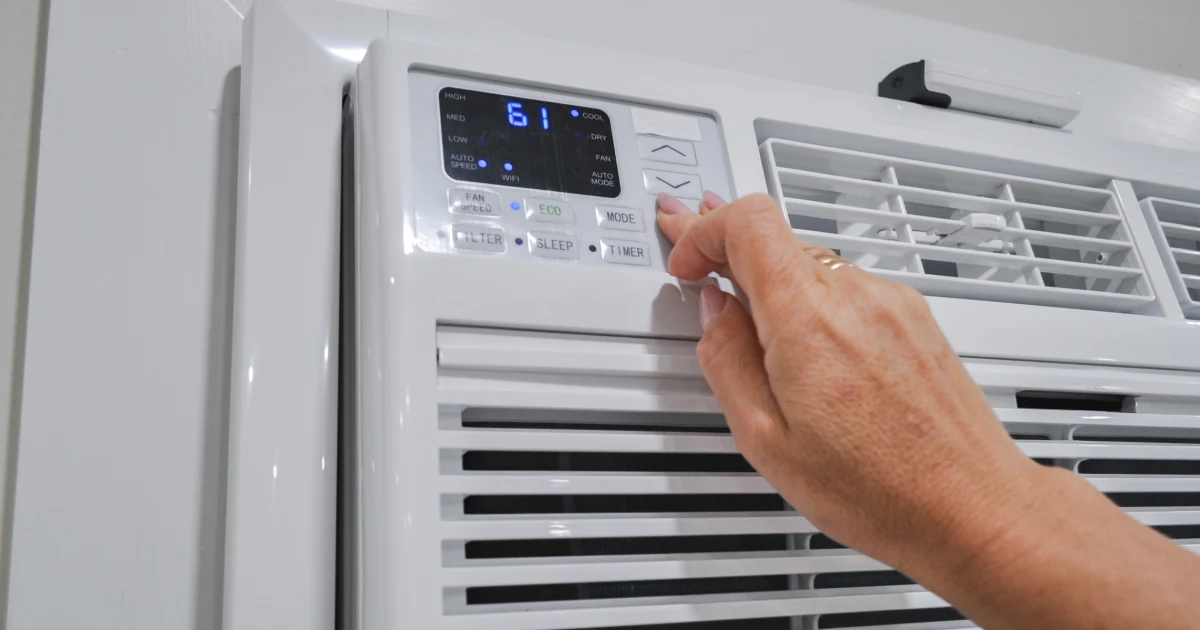
There’s nothing quite like stepping inside on a scorching summer day and experiencing that refreshing blast of air conditioning. However, the joy can fade quickly upon opening the utility bill and confronting exorbitant costs incurred to remain comfortable. Fortunately, experts reveal that you don’t have to make sacrifices in comfort to avoid skyrocketing energy costs.
Lisa Pervins, Vice President of Heating and Cooling at Protech, notes that reducing air conditioning expenses necessitates a blend of behavioral modifications and potential home enhancements. “Simple changes to your daily habits, along with optimizing your home’s efficiency, can contribute to a significant decrease in energy consumption,” she explains.
In practical terms, small adjustments—some at no cost and others requiring a one-time investment—can yield considerable savings without turning your living space into a sweltering environment. We consulted cooling experts for their top tips on maintaining a comfortable home during the summer months while minimizing energy bills.
Strategies to Reduce Air Conditioning Costs
With nationwide temperatures frequently exceeding 100 degrees Fahrenheit this summer, it’s no surprise many rely heavily on air conditioning. However, this dependence can come at a high financial cost. Experts suggest several practical methods to lower air conditioning bills without compromising comfort or drastically altering usage habits. Key recommendations include:
- **Adjust the Thermostat**: Raising the thermostat by a few degrees can go unnoticed in terms of comfort but can lower your monthly bill by 2-3%, according to Pervins.
- **Invest in a Smart Thermostat**: These devices allow you to program temperature settings. You can schedule the air conditioning to turn up when you’re away and cool down right before you return home. Many models can be controlled via smartphone, ensuring a comfortable arrival.
- **Regular Maintenance**: Keeping your air conditioning unit in optimal condition is crucial. “Routine maintenance, including changing filters, is vital,” advises Pervins. Neglecting these tasks can lead to clogged systems that increase energy costs.
- **Consider Upgrading**: Experts recommend investing in an Energy Star rated air conditioning unit, which is designed for maximum efficiency and optimal performance, minimizing energy expenditure.
Recommended Energy-Efficient Air Conditioners
If you’re in the market for an air conditioner that aligns with energy efficiency standards, consider some of the highly-rated options available. Below are selections that accommodate various room sizes and have garnered positive reviews from consumers:
Designed for efficiency, this unit is capable of cooling spaces up to 150 square feet, featuring seven temperature settings and two fan speeds. Easy filter maintenance contributes to its user-friendly design, making it a strong candidate for home offices or bedrooms.
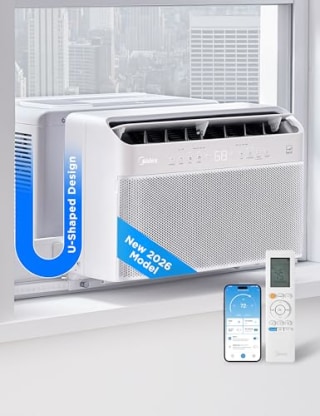
This Energy Star certified air conditioner boasts up to 37% energy savings compared to non-efficient models, effectively cooling areas of up to 550 square feet. Its unique design allows for ventilation and minimizes outside noise. With multiple operation methods, including smartphone control, it prioritizes user convenience.
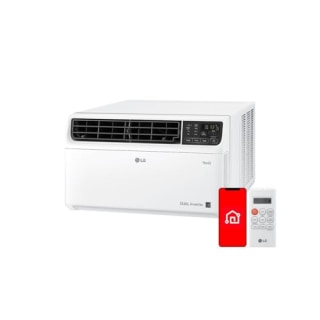
This Energy Star-certified LG unit cools areas of up to 800 square feet and integrates with the LG ThinQ app for easy temperature control and scheduling. Despite a higher initial investment, the capability to efficiently cool larger spaces and realize energy savings make it a sound choice.
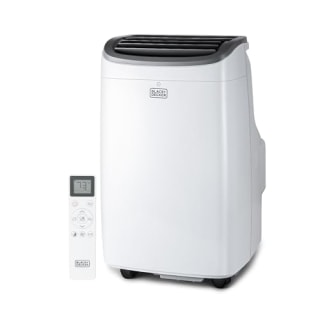
This portable air conditioning unit offers versatile, energy-efficient cooling for spaces up to 400 square feet. Featuring a 3-in-1 design that includes cooling, dehumidifying, and air circulation, it enhances comfort and convenience with a remote control for easy adjustments.
Alternative Cooling Strategies
If you’re looking to reduce reliance on air conditioning while still keeping your home cool, several strategies can help. Some involve home renovations, while others suggest alternatives to traditional cooling methods.
Home Enhancements for Cooling
According to Rosas and Pervins, proper insulation and diligent sealing around windows and doors are critical. Poorly sealed areas can allow heat to infiltrate your home. Simple measures, like caulking windows and applying weatherstripping around doors, can easily be undertaken as DIY projects with instructional resources widely available.
Cooling Alternatives
Beyond minor adjustments to your home, several tools can help maintain a comfortable environment without the need for air conditioning. Pervins suggests opening windows during cooler times of the day, such as early mornings and late evenings, to promote cross ventilation. Using thick curtains or blinds during peak sunlight hours can further mitigate temperature rises in your home.
Utilizing ceiling fans or tower fans can maintain airflow, although they do not lower temperatures per se. At night, placing a fan near an open window can draw in and circulate cooler air from outside.
Insights from Our Experts
At NBC Selected, we collaborate with professionals who possess relevant training and experience in their fields. Our advisory recommendations are developed independently, ensuring there are no conflicts of financial interest.
As the Commerce Editor for NBC Selected, I cover various topics, including finance, technology, and lifestyle. Our discussions often include expert opinions on health-related subjects, such as automatic pill dispensers. We invite you to explore our extensive coverage, which spans personal finance, innovative technologies, and health insights.
