


Fatal Airstrike Raises Questions About Nigerian Military’s Tactics
Survivors and witnesses are raising serious concerns over the Nigerian military’s recent airstrike on a busy market, which resulted in the deaths of up to 200 people, many of whom were civilians. This incident underscores ongoing scrutiny of military operations in a country grappling with severe security challenges.
Recent Attack Highlights Civilian Casualties in Military Operations
The airstrike occurred on Saturday at Jiri market, situated on the border between the northeastern states of Borno and Yobe. It marks the latest in a troubling series of assaults by the Nigerian air force over the past decade, often resulting in significant civilian casualties. While the military claims the operation targeted members of the jihadist group Islamic State West Africa Province (ISWAP), local lawmakers assert that the death toll exceeds 200, and human rights group Amnesty International has reported over 100 fatalities, with numbers still climbing.
Controversy Surrounds Military Justifications
Nigeria continues to face multiple conflicts, most notably from the Boko Haram insurgency in the northeast, which has persisted for 17 years. Although Boko Haram disbanded in 2016, it was succeeded by ISWAP. Adding to the instability, armed banditry plagues the northwestern region, and violent confrontations between pastoralists and farmers are frequent in the country’s middle belt.
Military’s Claim of Precision Strikes Contradicted by Local Accounts
In a statement released on social media, the Nigerian military asserted that the airstrike was based on comprehensive intelligence and targeted a known terrorist settlement near the abandoned village of Jiri. Military spokesperson Sani Uba claimed that their post-attack assessments confirmed high precision, stating that numerous terrorists had been neutralized in the assault.
Civilians Report Different Reality
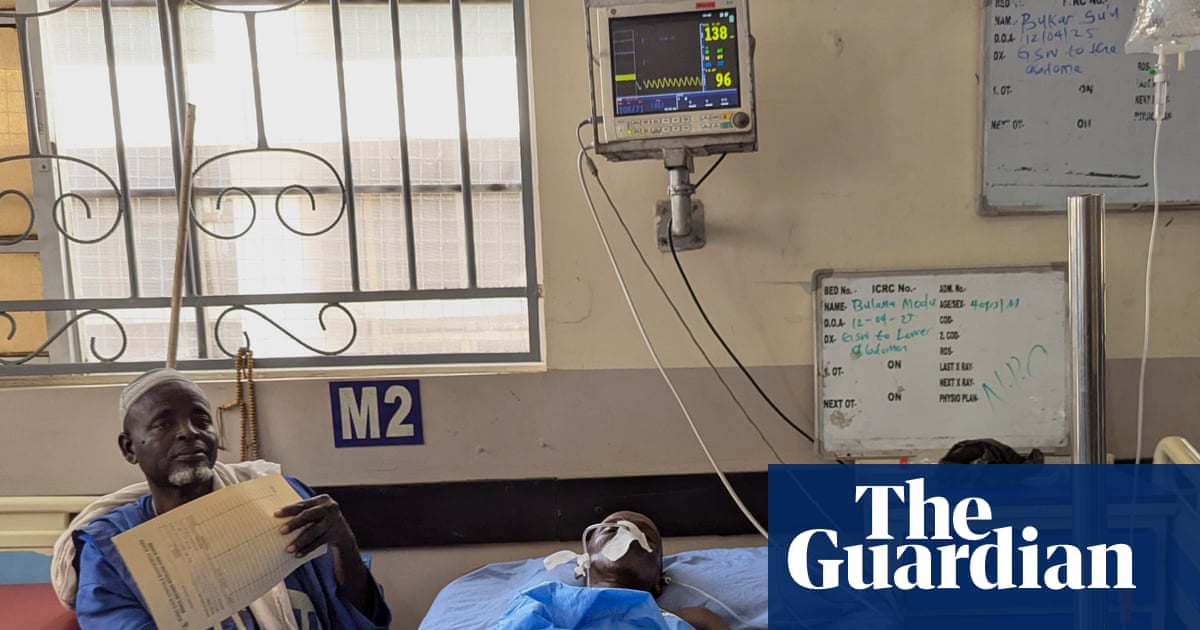
However, local residents dispute these allegations. Mara Garba, a 42-year-old trader recovering from his injuries in a Maiduguri hospital, emphasized that the market was filled with ordinary people, questioning the presence of jihadists in such a crowded area. He was one of 46 victims brought to the hospital following the airstrike.
Local Officials Acknowledge Civilian Impact
Lawan Zanna Nur Geydam, a local councilor and traditional leader, termed the Jiri market incident “devastating,” asserting that the loss of life is over 200. Following the airstrike, Yobe state officials admitted that civilians were indeed affected, as stated by Brigadier General Dahiru Abdulsalam, a military adviser to the state government.
Difficulties in Distinguishing Between Combatants and Civilians
Researcher Malik Samuel from Good Governance Africa suggested that while ISWAP may have had supporters in the market, differentiating between fighters and non-combatants would be nearly impossible in such a densely populated area. He asked whether it might have been more strategic for the military to target individuals leaving the market and heading to known ISWAP areas instead of striking a busy civilian location.
Concerns Over Accountability and Trust
Since 2017, Nigeria’s military has reportedly killed at least 500 civilians in airstrikes. Notably, a 2017 bombing of a displaced persons camp resulted in 115 deaths, and two airstrikes on religious gatherings in Kaduna state last December claimed over 120 lives. Samuel expressed alarm over the lack of accountability, suggesting it emboldens the military to conduct such strikes without repercussions. Similarly, Isa Sanusi, Amnesty International’s Nigeria director general, criticized the military’s investigations, insisting they usually exonerate the military and ultimately erode trust in public institutions, further complicating efforts to combat insurgency and banditry.
