


Emerging Political Movement for Women in Nigeria
A new political momentum is taking shape in Nigeria, as women across the nation unite not merely as individuals but in a purposeful effort to gain influence and power within the governance structure.
Women’s Empowerment as a National Priority
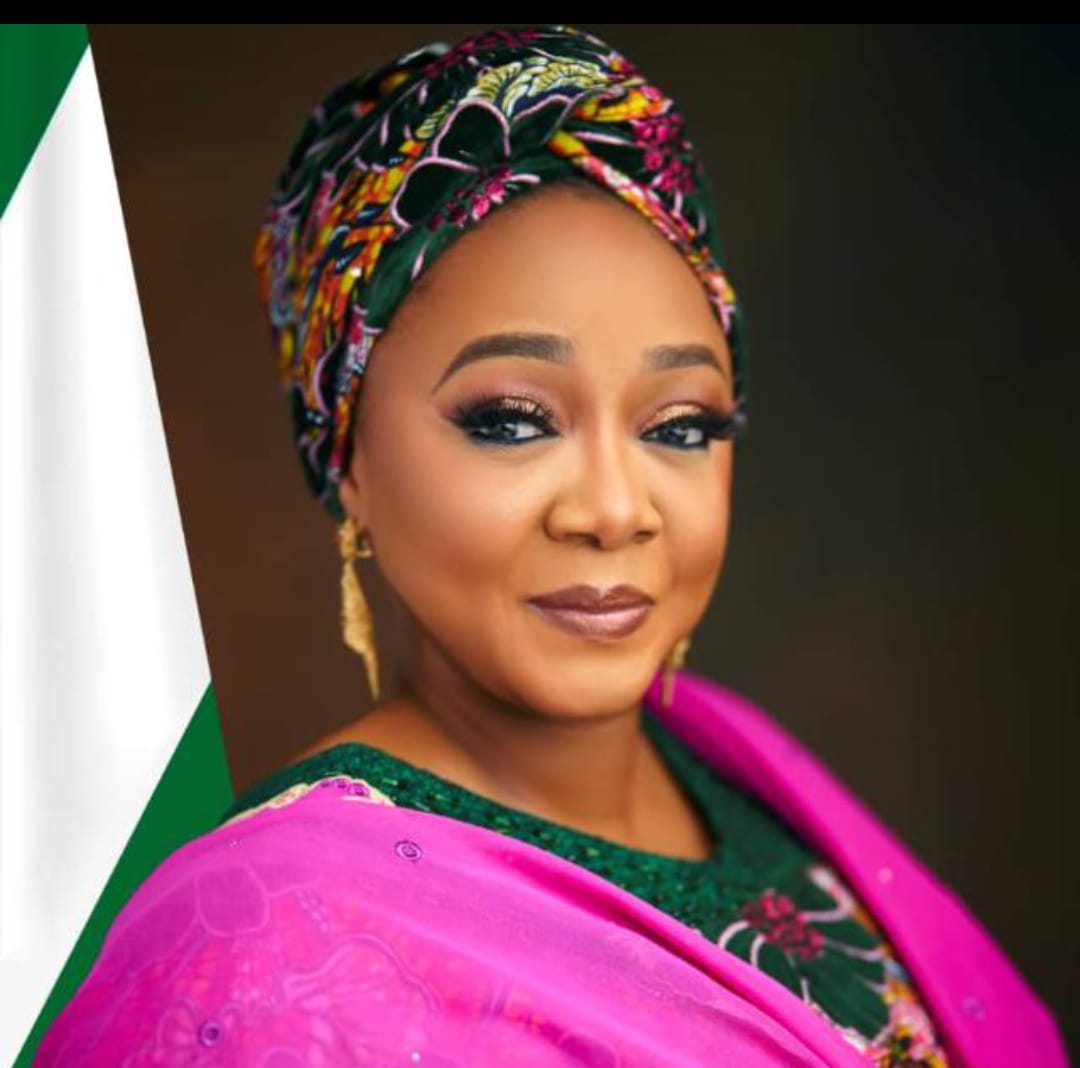
At the forefront of this initiative is Iman Suleiman-Ibrahim, the Minister of Women’s Affairs, who views the women’s mega-empowerment movement and upcoming rallies of 2026 as pivotal moments in Nigeria’s political landscape. This initiative signifies a transition from mere symbolic inclusion to tangible political relevance for women.
A Coordinated Push for Change
During a global press conference in Abuja, Suleiman-Ibrahim unveiled the initiative titled “The Power of 10 Million: One Voice, One Movement, One Choice.” She described it as a strategic effort to transform women into an organized electoral force capable of influencing national outcomes.
A Shift from Fragmentation to Unity
The unfolding movement represents, in Suleiman-Ibrahim’s words, “not a program, but a paradigm shift.” It aims to move women from fragmented participation toward a cohesive bloc equipped with voice, structure, and agency.
Rallying for Change at the Moshood Abiola Stadium
The campaign will officially launch with a rally on May 5 at the Moshood Abiola National Stadium, which is set to draw representatives from all 9,410 wards across Nigeria. While the stadium can accommodate approximately 60,000 attendees, the initiative encourages millions to join via a decentralized network, reflecting a grassroots model designed for comprehensive participation while ensuring national coordination.
Inclusive Governance as a Pillar of Progress
This movement aligns closely with President Bola Tinubu’s ‘New Hope’ agenda. Suleiman-Ibrahim emphasized that his administration is prioritizing women, children, and vulnerable groups in governance frameworks. She asserted that inclusive growth is essential and should position women as key agents of change rather than mere beneficiaries of policy efforts. This rally is not only a demonstration of support for the government but also an initiative aimed at expanding opportunities for women within the political framework.
Economic Empowerment as a Development Strategy
Central to this movement is an economic argument that places women’s empowerment within the broader context of national development. Suleiman-Ibrahim pointed out that women, despite their critical roles in agriculture, business, and community resilience, often face systemic barriers to finance, land ownership, and formal economic participation. Addressing these disparities is vital for achieving long-term prosperity, with ongoing initiatives like the Renewed Hope Social Impact Intervention 774 aimed at providing grants, skills training, and enterprise support for women.
Building a Comprehensive Framework for Women’s Advocacy
The involvement of First Lady Senator Oluremi Tinubu amplifies the significance of this movement. Suleiman-Ibrahim characterized her as a steadfast advocate who connects policy discussions with grassroots realities. Senator Tinubu is expected to attend the rally as a special guest, further cementing the government’s commitment to social development.
Strategic Foundations for Sustained Impact
This rally is not merely a mobilization event; it is designed to yield concrete political outcomes. The platform aims to bolster President Tinubu’s position ahead of the general elections and create a national charter outlining the demands and priorities of Nigerian women. Additionally, it facilitates the integration of women’s groups across various regions into a cohesive national structure. This collective effort seeks to harness demographic strength into organized political influence.
Mobilizing for Future Governance Transformations
The planning committee reported that over 3,000 volunteers have been mobilized, establishing a framework of state, local, and district-wide structures. This indicates a commitment to sustained engagement rather than a one-time event. The focus on grassroots participation suggests this rally is intended to be the launch of an enduring model of political involvement.
The emerging initiative signifies a transformative approach to women’s roles in Nigeria’s political landscape. It aspires to translate numerical strength into significant political influence by intertwining empowerment with issues of political alignment, economic inclusion, and organized advocacy.
While the long-term impact on governance dynamics remains to be seen, the momentum from Abuja is clear: Nigerian women are determined to ensure they are recognized and influential in shaping the future of their country.
