


Concerns Rise Over Access to Medical Care for Undocumented Children in Tennessee
Many low-income immigrant children suffering from serious medical conditions may soon find themselves without access to vital healthcare, following a directive from Tennessee officials aimed at verifying their immigration status. The Tennessee Justice Center has raised alarms over this new policy, which mandates that the Department of Public Health report such statuses to the federal government.
Targeting Children’s Special Services Program
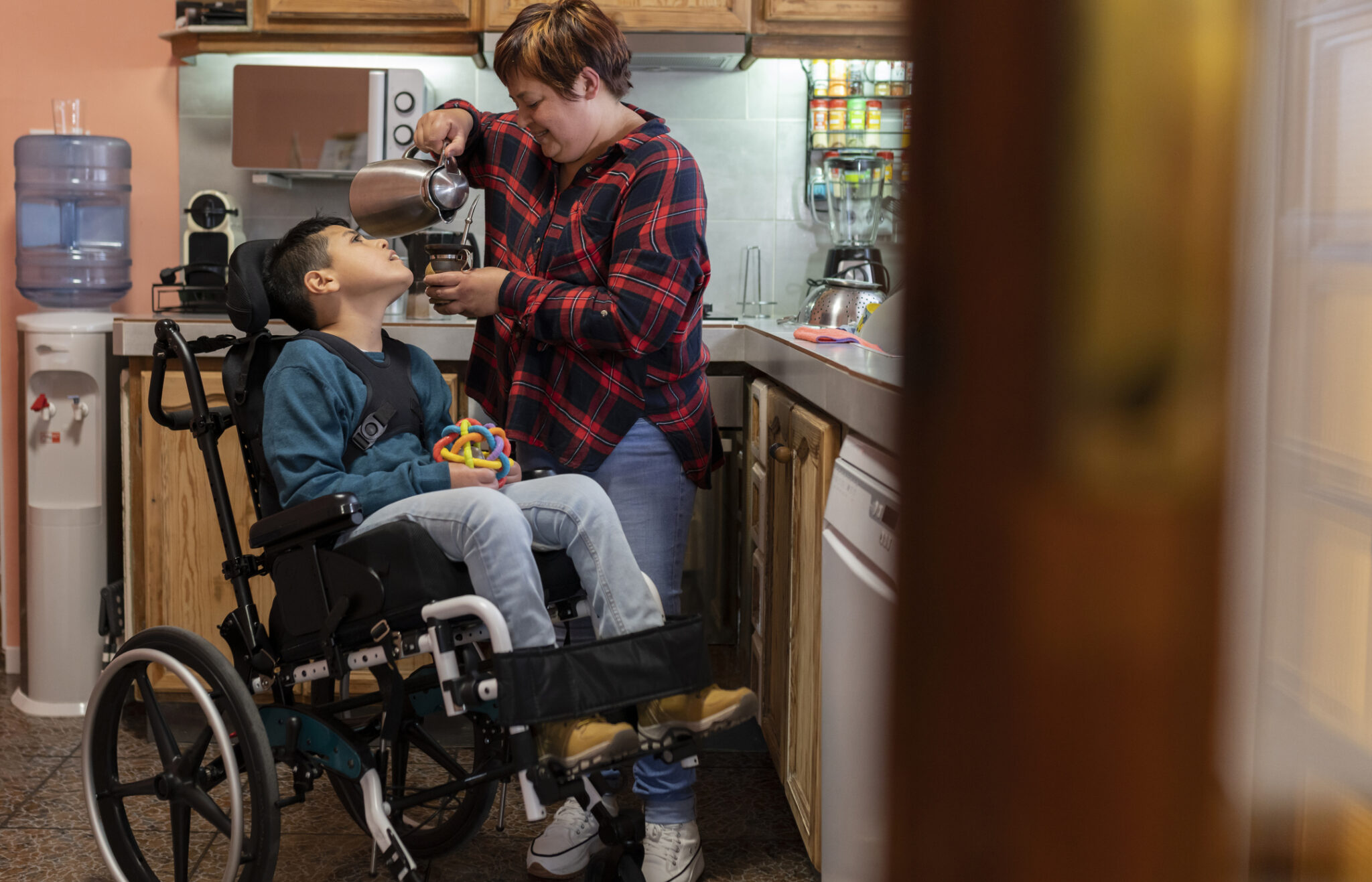
The Tennessee Department of Health is focusing on the Children’s Special Services program, a crucial public health insurance initiative that supports children with severe disabilities and life-threatening illnesses like cancer and spina bifida. This program has been a lifeline for many families, offering assistance for over half a century without regard to immigration status.
Policy Revisions to Immigration Status Verification
State officials have indicated that families will be informed as early as this week about the policy requiring proof of immigration status to continue receiving benefits. Michelle Johnson, executive director of the Tennessee Justice Center, expressed concerns about the impact this could have on healthcare access for vulnerable children.
Scope of Impact Remains Uncertain
In Middle Tennessee alone, about 100 undocumented children are at risk of losing their health coverage, as reported by Metro Public Health officials. However, the exact number of affected children across the state remains unclear. The Tennessee Department of Health has not responded to inquiries for further information.
Enrollment Restrictions and Their Consequences
The Children’s Special Services program, which previously supported individuals up to age 21, has already restricted enrollment for those 18 and older in response to directives from the state health department. The Metro Nashville Health Department reported that it has removed seven young individuals from its program but found alternative solutions for them within a month. The full extent of similar actions statewide is still unknown.
Questions Surrounding Immigration Status Checks
Uncertainties linger regarding how the verification of immigration status will be conducted. Johnson pointed out the lack of clarity on whether families unable to provide documentation would face deregistration from the program or be reported to immigration authorities. The well-being and safety of many affected children hang in the balance.
Personal Stories Highlight the Emotional Toll
Parental fears are amplified by these developments, as exemplified by Gabriela, the mother of a 10-year-old boy with spina bifida. After arriving in the United States at the age of three, her son has relied on the Children’s Special Services for medical care. Gabriela recently recounted a distressing period last year when her son lost coverage for several months, leaving her family feeling vulnerable and adrift. They are deeply concerned not only about losing crucial medical support but also about the potential repercussions of reporting to Immigration and Customs Enforcement.
Advocates Urge for Legal Challenges
Michelle Johnson and others within the advocacy community have voiced strong objections to the Department of Health’s directive, claiming it could violate state and federal laws concerning public benefits for immigrants. The Tennessee Center for Justice has formally requested the state to rescind the directive, citing its conflict with existing laws that specifically pertain to individuals aged 18 and older.
