


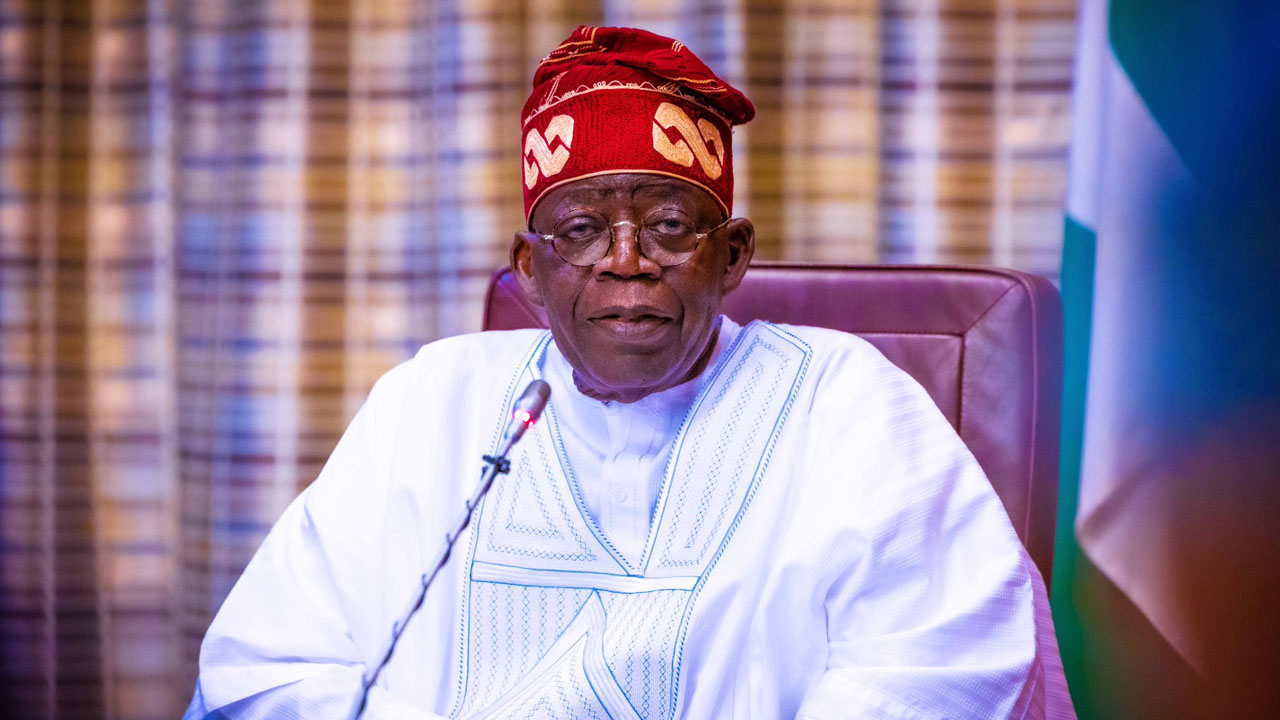
Tinubu’s Commitment to Security Improvement Stressed at Inauguration
At his inauguration on May 29, President Bola Ahmed Tinubu emphasized that enhancing national security would be his administration’s foremost priority. In his address, he stated, “We’re going to invest more in our security personnel,” highlighting a commitment not only to bolster numbers but also to improve training, equipment, pay, and firepower for the security forces. While these initiatives are essential, they alone may not be sufficient to address the current security crisis facing Nigeria.
Escalating Violence Under Buhari’s Administration
Data from the Nigeria Security Tracker, a project of the Council on Foreign Relations’ Africa Program, reveals that over 63,000 Nigerians lost their lives during President Muhammadu Buhari’s tenure due to a range of factors including terrorism, banditry, and communal violence. The Northeast region recorded the highest toll, with 23,106 fatalities. Notably, schools, hospitals, and other public spaces have become crime targets, with some abducted students still missing—many of whom have remained in captivity for almost a decade.
Impact of Crime on Business and Investment
The alarming security situation has led to widespread fear, prompting many citizens to avoid car travel. Numerous businesses have closed, while others have relocated to safer areas, significantly affecting levels of foreign direct investment, which are reportedly on the decline. Nigeria, with a population of approximately 215 million, faces a critical challenge regarding safety and law enforcement.
Inadequate Policing Forces Contribute to Crisis
The Nigeria Police Force, composed of around 400,000 personnel, struggles to manage this vast population effectively. Approximately 150,000 officers are dedicated to protecting political elites, leaving only 250,000 officers available for general policing. This imbalance underscores the heavy burden on the police force and suggests an acute need for reform.
Challenges with State and Local Security Governance
In Nigeria, security governance is further complicated by the relationship between governors and police commissioners. Although governors are designated as the chief security officers of their states, the police commissioners ultimately report to the Inspector General of Police in Abuja. This disconnect creates a precarious security environment, especially when tensions arise between state governors and federal authorities, as seen during past administrations.
Calls for State Police Amid Rising Security Concerns
Historically, attempts have been made to address these governance issues. During Buhari’s first term, a committee led by then-Governor Nasir El-Rufai gathered public input regarding security, with many advocating for state police as a solution. Unfortunately, those recommendations have not been acted upon. Given the ongoing violence, establishing state police has become increasingly urgent, especially as many states already have systems in place that perform similar functions under different names.
Local Policing Initiatives and Their Efficiency
Regions like the Southwest and Southeast have already established local security forces—Amotekun and Ebubeagu, respectively—indicating a recognized necessity for localized security measures. Despite concerns about potential misuse, these arrangements highlight an unmet demand for more personalized and responsive policing. It is estimated that around one-third of the operational budget for the Nigeria Police Force in each state comes from state governments, indicating a shared responsibility for security funding.
Potential Benefits of Establishing State Police
The creation of state police forces could enhance the nation’s overall security by allowing local officers to leverage their understanding of communities to combat crime more effectively. The advantages of a decentralized policing approach could include quicker decision-making and better resource allocation, addressing both crime and operational inefficiencie. While critics fear political misuse, a robust system of checks and balances could mitigate abuses, allowing for civil society engagement and judicial recourse to ensure accountability.
