


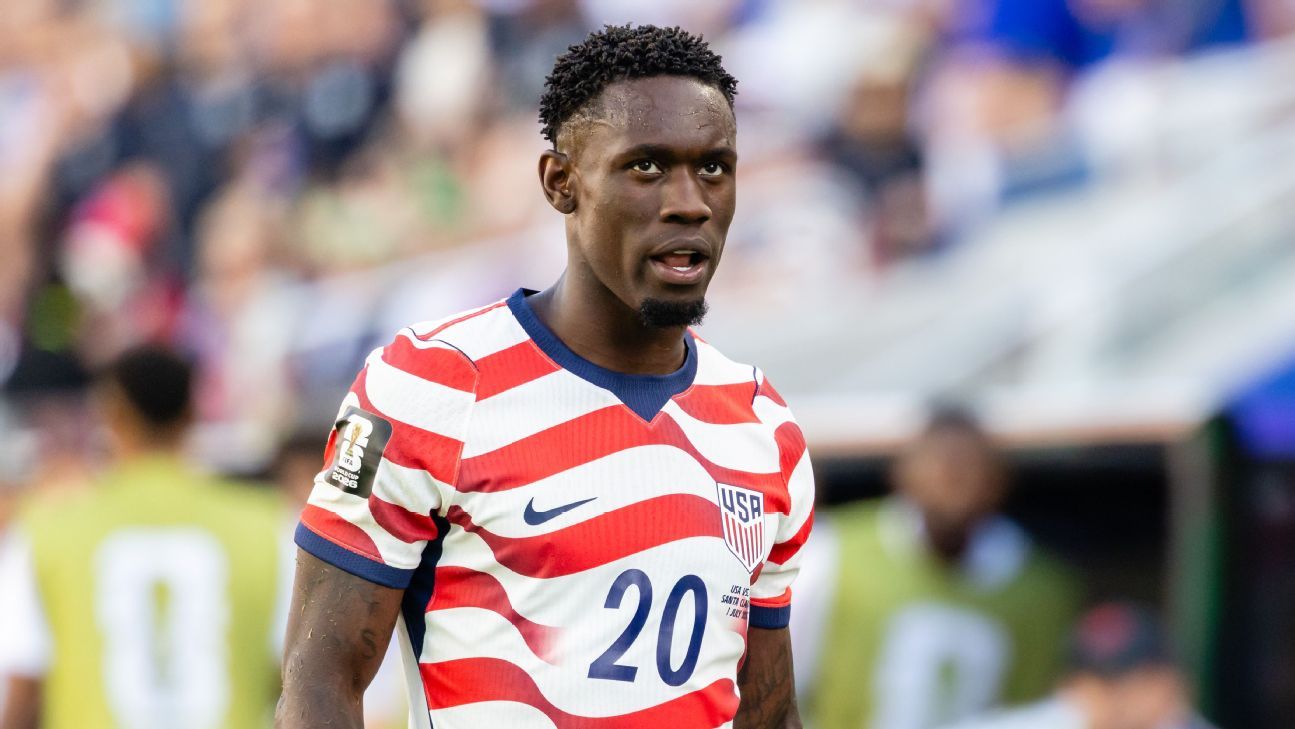
The U.S. men’s national soccer team recently achieved a significant milestone, not through play but via a controversial decision surrounding player eligibility. Folarin Balogun, whose suspension initially barred him from participating in the Round of 16 match against Belgium, will now be available to play. This unexpected turn of events raises questions about the integrity of the tournament and could have implications for Mauricio Pochettino’s squad. How can a victory feel legitimate when marred by opaque interventions lacking transparency?
Just four days ago, FIFA made headlines by announcing that there would be no option for appealing Balogun’s one-match suspension, paving the way for a swift resolution. However, the integrity of the competition is now under scrutiny. In high-stakes situations, especially for prominent players and nations like the U.S., it seems that standard regulations can be reshaped to meet desired outcomes.
FIFA’s Surprising Announcement
FIFA’s announcement on Sunday caught many off guard, arriving quietly on its official website and lacking any fanfare on social media platforms. The organization revealed that Balogun’s one-match suspension for a red card issued during the Round of 32 match against Bosnia and Herzegovina would be put on hold for a year. Thus, Balogun, currently leading the U.S. team with three goals in the World Cup, will be eligible for one of the most critical matches in recent history, set to take place in Seattle on Monday night.
In essence, the U.S. men’s national team (USMNT) and Balogun have found themselves benefitting from what has informally been labeled as FIFA’s Cristiano Ronaldo rule. When the Portuguese captain faced an automatic three-match ban after a red card during a World Cup qualifier last November, FIFA intervened. Citing Article 27 — a broad clause that permits the suspension of disciplinary measures — the governing body reduced Ronaldo’s punishment to one game, thereby allowing him to participate in the opening match of the World Cup.
As it stands, Balogun is now on par with Ronaldo, both having tallied three goals in this year’s tournament while also navigating similar suspension circumstances. His case, however, lacks the optics of fair play.
Belgium’s Stance on the Issue
The Belgian football community has expressed outrage over FIFA’s decision. The Royal Belgian Football Association (RBFA) voiced surprise and concern in an official statement, indicating plans to pursue legal action as it explores all available options. The situation has escalated to a level where it has potential ramifications beyond the match itself.
It is crucial to note that Balogun is not directly responsible for the circumstances surrounding this decision. He finds himself caught in a scenario influenced by external factors, including reported communications between U.S. President Donald Trump and FIFA President Gianni Infantino, which prompted a reassessment of the red card incident.
The Broader Implications for FIFA
Many observers echo Trump’s sentiment that Bosnia’s player, Tarik Mujaremović, should not have received a red card following Balogun’s challenge. Former Premier League referee Andy Davies stated that the review process for VAR was mishandled and pointed to inconsistencies in how the situation was adjudicated. He emphasized that slow-motion and still images were unfairly prioritized over real-time footage in the referee’s review, which could have altered the decision-making process.
The crux of this issue is the apparent favoritism shown to the U.S., suggesting that due processes have been disregarded to benefit the co-hosting nation. This precedent could have serious implications for future matches. Should a player like Lionel Messi or Kylian Mbappé receive a red card in an upcoming game, will they also escape disciplinary action?
The unsettling answer could ultimately prioritize outcomes over fairness. Balogun’s ruling has transformed the landscape of the tournament, casting shadows on the legitimacy of victories achieved under such clouded circumstances. Such actions compromise the spirit of competition, leaving no true winners — including the USMNT itself.
