


Population Trends in Major U.S. Cities
America’s largest cities are experiencing a complex recovery from the population losses incurred during the pandemic. However, projections from the Census Bureau indicate that this recovery may stagnate or even reverse by 2025.
Recent Population Declines Post-Pandemic
Many major cities in the U.S. reported a decrease in population during the pandemic, with nearly half of the largest urban centers showing fewer residents in 2022 compared to 2020. By 2024, approximately two-thirds of these cities are expected to resume population growth. Yet, momentum appears to wane in 2025, with a notable decline in residents once again.
Key Factors Behind Population Changes
Experts attribute much of this trend to a significant reduction in net international migration. William Frey, a demographer at the Brookings Institution, explains that internal migration tends to balance out—some regions gain population while others lose it. In contrast, the effects of international migration are more uniformly felt across the nation.
Case Studies: New York City and Other Major Urban Centers
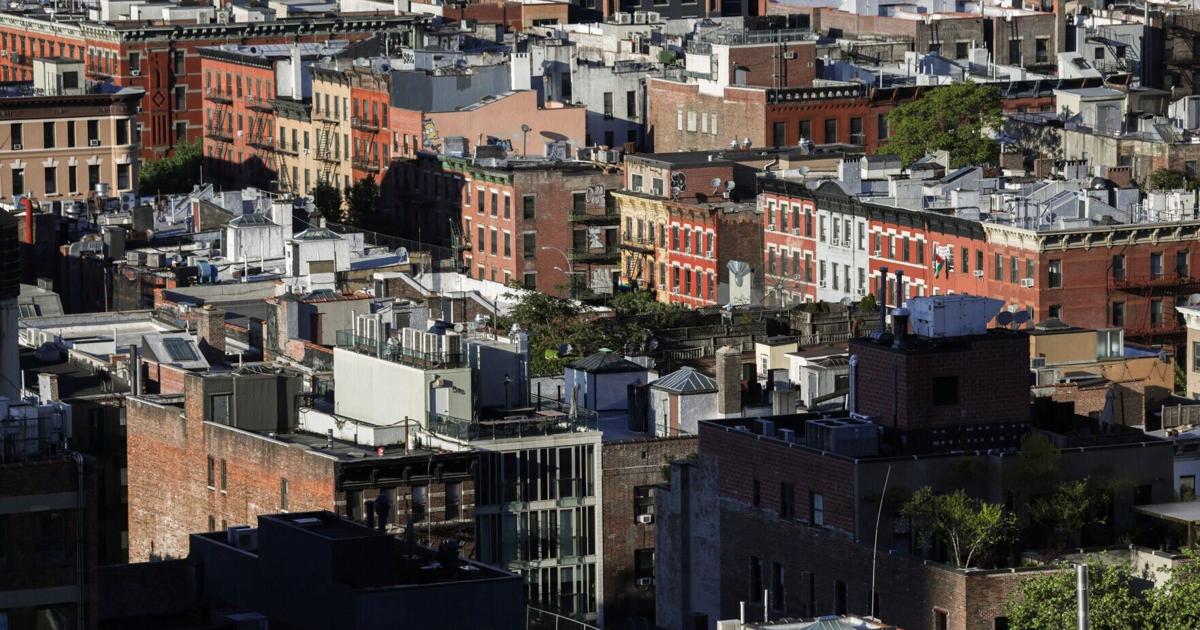
New York City, which lost over 388,000 residents (approximately 4.5% of its total population) from 2020 to 2022, managed to regain over half of those losses in subsequent years. However, this recovery was short-lived. Despite still being the most populous city in the U.S., New York recorded its largest decline, losing more than 12,000 residents from 2024 to 2025. Los Angeles is projected to lose nearly 4,000 residents in 2025, while Boston anticipates a decrease of over 1,000 residents.
Long-Term Effects of the Pandemic on Demographics
Cities like Memphis, Albuquerque, and St. Louis continue to struggle as they experience ongoing population declines since the onset of the pandemic. The overarching trend shows that around one-third of America’s largest cities have fewer inhabitants than they did five years ago. These urban centers are seen as expensive places to live, prompting many residents to seek more affordable options in suburban areas.
Suburban Growth Amidst Urban Decline
While major cities face demographic challenges, medium-sized cities are witnessing steady growth. For example, Port Chester in New York State reported a 4.1% increase in population, contrasting sharply with New York City’s decline. Matt Erickson, a statistician from the Census Bureau, observes that medium-sized cities are attaining a “Goldilocks zone,” where various factors promote sustained growth, helping them sidestep the declines seen in both small towns and larger urban centers.
Implications for Future Growth and Immigration Trends
The implications of these trends extend further, especially in relation to future immigration policies. The current environment of strict immigration restrictions has diminished the influx of newcomers that cities historically relied upon to bolster their populations. Frey notes that all 56 major metropolitan areas in the U.S. with populations over one million are noticing declines in immigration. This could pose risks for cities seeking to maintain vibrant, growing populations and could impact age demographics and fertility rates in the long run.
