


Immigration Crackdown Disrupts Federal Investigations in Minnesota
MINNEAPOLIS — The Trump administration’s aggressive approach to immigration enforcement in Minnesota has significantly hindered federal investigations and prosecutions across various serious crime categories, a Reuters review of federal court records reveals.
The crackdown has stalled new gun and drug charge filings, led to multiple resignations among top prosecutors, and resulted in the withdrawal of some federal agents from drug task forces and gang cases. In an unusual move, some investigations have been transferred to state authorities.
President Donald Trump characterized the operation as a necessary measure to combat violent crime among illegal immigrants. However, this initiative has disrupted the routine functioning of federal agencies responsible for ensuring public safety, according to insights from ten current and former law enforcement officials.
From January through the end of April, there were only eight individuals charged with gun and drug offenses, compared to 77 during the same period last year, per court records. Overall, the total felony charges have dropped to 90, roughly half of the previous year’s figures.
Among those charged were 39 individuals, including journalist Don Lemon, accused of obstructing church services during protests against immigration policies. Another 17 cases were related to immigration offenses, such as reentry into the country after deportation. Notably, the issues surrounding deportation are handled in separate immigration courts.
Hennepin County Attorney Mary Moriarty indicated that as local U.S. attorneys’ offices become overloaded with immigration-related tasks, federal agents have begun presenting intricate cases to district attorneys, a departure from standard practice. She emphasized the importance of focusing on critical issues like sex and drug trafficking, stating, “It’s a matter of public safety that they’re not pursuing the types of prosecutions that they should be pursuing.”
Moriarty refrained from naming specific cases brought to her office by federal officials, citing concern over potential repercussions on inter-agency relations.
Impact of Militarized Policing Tactics
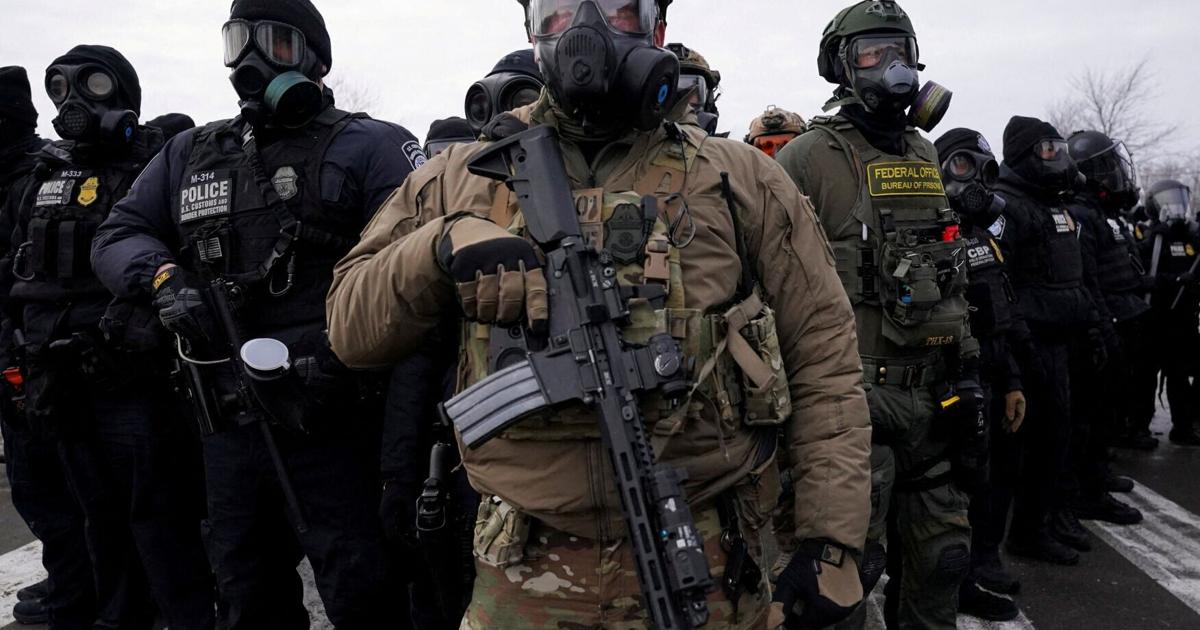
The immigration enforcement initiative has sparked widespread criticism and reflects a broader trend in the administration’s policing strategies. Approximately 3,000 officers have been deployed to Minneapolis since December, executing swift interventions that included forcing people out of their vehicles and schools. The situation became even more dire with the deaths of two U.S. citizen protesters, Lenny Good and Alex Preti, which ignited national outrage and prompted the administration to withdraw from the city.
The predominant focus on immigration enforcement in Minnesota has raised concerns about the availability of resources for traditional crime-fighting. While the number of criminal immigration violations reached a twenty-year high, drug offense charges plummeted to their lowest levels. This shift has fueled worries among local law enforcement officials about the long-term implications for public safety.
Federal Resources Deployed Ineffectively
Despite their essential role in public safety, federal authorities have found their capacity diminished under the current immigration crackdown. John Marty, a former federal prosecutor, pointed out that local and state officials have come to rely on the specialized resources that federal partners provide. With many federal attorneys departing and the government’s focus shifting toward immigration, he warned that more violent criminals could evade capture.
The impact of the intensified immigration scrutiny is likely to last, with some officials expressing concern that the federal government’s focus on this issue could impede their ability to target violent offenders effectively for years to come.
Reducing Federal Staffing and Resources
To analyze the repercussions of the immigration enforcement initiative, Reuters utilized Westlaw court records, categorizing case data with the assistance of artificial intelligence, achieving 98% accuracy. Although some officials claimed the crackdown aimed to combat crimes rooted in a social services fraud scandal tied to Minnesota’s Somali community, the actual data reflected a limited rise in wire fraud cases unrelated to government benefits.
In a notable shift, federal agents previously assigned to drug enforcement have transitioned to immigration tasks, resulting in a significant reduction in the efficacy of local law enforcement efforts. Local officials noted disruptions arising from reassigned investigators who were often unreachable during immigration processing periods.
Exodus of Prosecutors and Legal Standstill
Furthermore, the U.S. Attorney’s Office in Minnesota is losing staff at an alarming rate, with several prosecutors resigning, which has left investigations compromised. Reports indicate that the office’s legal team has dwindled to about half its usual size as lawyers depart, disrupting ongoing prosecutions.
Consequently, the Justice Department has attempted to fill the gap with temporary lawyers from other states; however, the remaining federal prosecutors are struggling to initiate new cases or process existing ones. For instance, a Minneapolis judge recently dismissed a lawsuit due to missed deadlines and a lack of resources.
Focus on Protest Charges Amid Resource Constraints
In light of these challenges, federal prosecutors have still managed to arrest and charge numerous individuals associated with protests against the immigration crackdown. In addition to felonies linked to church protests, at least 40 others faced minor charges in confrontations with federal officials. The prosecutors have since dropped many of these cases.
As these dynamics unfold, observers in the legal community highlight the precarious position of federal prosecutors who feel their capacity to handle serious criminal cases has been severely restricted by the administration’s focus on immigration enforcement.
