


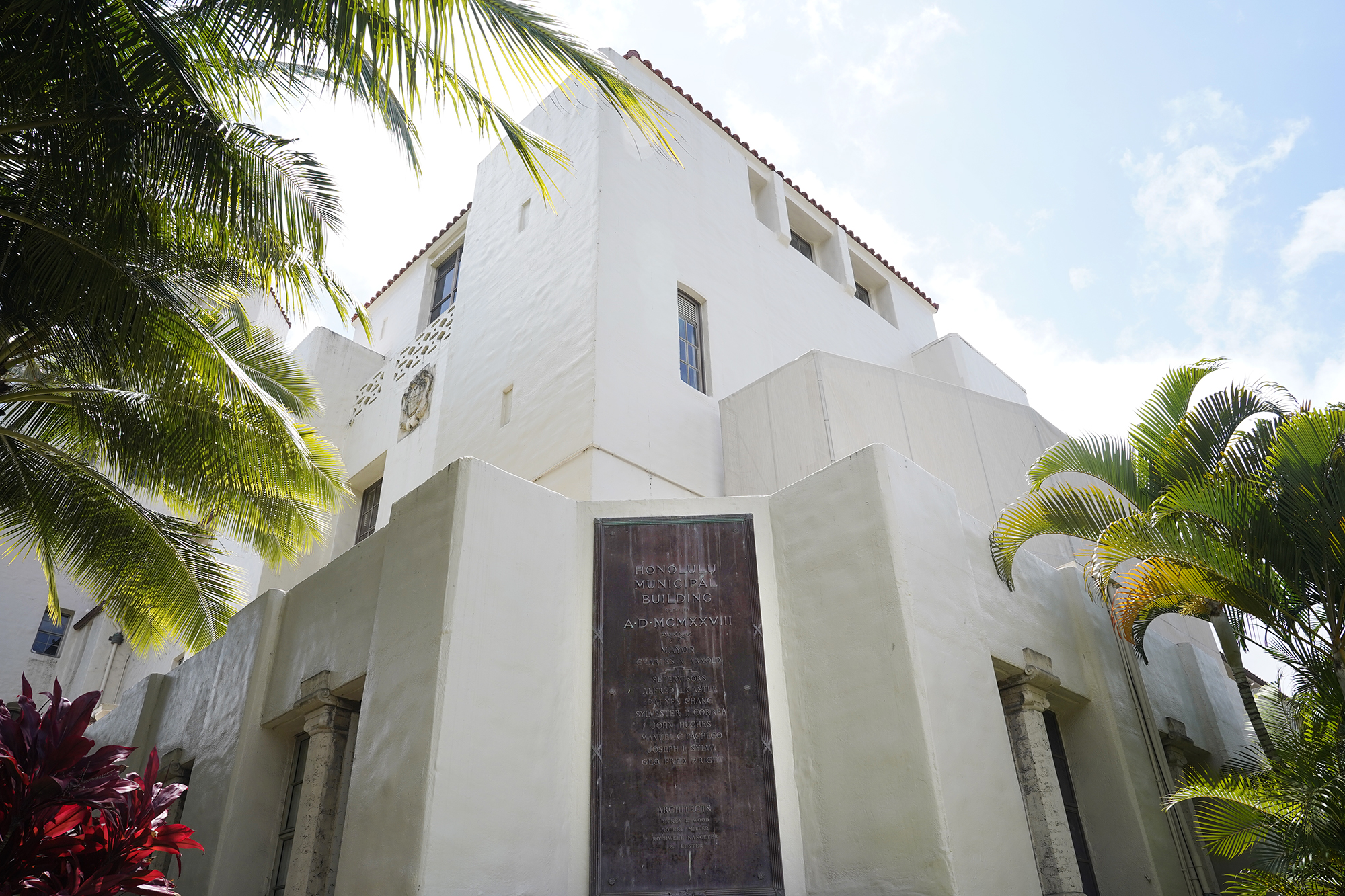
The Honolulu City Charter Commission is currently undertaking a once-in-a-decade review of the City Charter, with one particular proposal, P045, gaining traction. This proposal addresses the local police’s role concerning immigration enforcement.
While P045 is not fundamentally centered on immigration policy, it has sparked significant debate about immigration, both legal and illegal. Regardless of individual perspectives on immigration, Honolulu residents should give this proposal serious consideration.
Rationale Behind the Charter Amendment
This amendment merits attention because charter amendments often serve to not only grant new powers but also to reinforce community expectations that public institutions should reflect community values.
Essentially, the text of the Charter clarifies existing norms and practices, helping residents articulate their expectations for the role of local governance. This is neither unusual nor radical; charter provisions exist in various civic domains to ensure that certain expectations and institutional values endure over time.
Overview of P045’s Provisions
The current version of P045 outlines several key objectives: it affirms the Honolulu Police Department’s (HPD) duty to protect the constitutional rights of everyone, irrespective of their immigration status; safeguards access to essential civil institutions like courts, hospitals, schools, and places of worship; requires HPD to authenticate the authority and identity of officials before engaging in immigration enforcement; and aims to prevent identity theft and unauthorized enforcement actions.
Notably, the proposal does not seek to obstruct lawful federal immigration enforcement or undermine federal authority. Instead, it aims to affirm core expectations among residents regarding local policing: prioritizing public safety and constitutional rights, ensuring access to essential services without fear, and verifying the legitimacy of officials involved in immigration matters.
Overall, P045 embodies the expectations of many residents that local police operations should focus on public safety, transparency, and adherence to legal processes, while establishing clear institutional boundaries. It aligns with foundational constitutional principles of due process and equal protection for all individuals in the United States and Hawaii.
The Timeliness of the Proposal
Communities thrive when residents understand the responsibilities and limitations of their public institutions. It is crucial for residents to be aware of what local police can and cannot do, as well as the respective roles of different governmental levels.
Clarity and predictability in these areas are particularly vital in today’s environment of heightened fear and political strife. Such understanding not only influences how comfortable residents feel about reporting crimes or cooperating with authorities but also affects broader social interactions within schools, workplaces, and neighborhoods.
Recent national events underscore the practical implications of these concerns. Over the past two years, numerous reports have documented incidents of individuals impersonating immigration officials to intimidate vulnerable populations—situations that highlight the urgent need for clarity regarding law enforcement boundaries.
The incidents span various states: a man in Raleigh, North Carolina, pretended to be an ICE official while threatening a woman; individuals have staged fake traffic stops in Florida and committed crimes in Texas while posing as ICE agents. Such examples highlight the risks associated with unclear enforcement delineations and underscore the public safety issues at stake.
While P045 may not eliminate impersonators or resolve all immigration-related disputes, it seeks to address the critical need for clear boundaries between law enforcement divisions. Regardless of one’s stance on immigration, this proposal should be seen not as a radical overhaul of local governance but as an effort to clarify and reinforce existing expectations surrounding public trust and community safety.
The debate over immigration policy is complex, with varying opinions regarding the federal government’s enforcement priorities and the specific wording of P045. As national discourse increasingly favors anger and suspicion, Honolulu has the opportunity to intentionally shape the relationship between its communities and public institutions.
