


Revisiting the Substance of Public Service
In a world where titles often overshadow tangible impact, it’s time for a shift in perspective. The author argues for a focus on substance over mere accolades.
The Misconception of Public Office
In many developing nations, public office has become synonymous with prestige and power, often leading to an unhealthy culture of reverence. Civil servants are met with enthusiastic fanfare and titles such as “Your Excellency” or “Special Senator.” While respect for office is essential, it must not overshadow the accountability that comes with these roles.
Accountability in Leadership
In Africa, a dangerous confusion between leadership and entitlement has taken root. Elected officials are often seen as royalty, deserving of uncritical loyalty from the populace. This misconception fosters a culture where leaders become disconnected from the very citizens they are meant to serve. Public office is a trust, paid for by taxpayers, yet many officials behave as though it is their personal domain. The rise of dynastic politics stands as a testament to this alarming trend, as public funds are diverted to enrich personal lives while neglecting the needs of the community.
Redefining Leadership as Service
The collapse of accountability poses a serious threat to the stability of nations. True servant leadership challenges this dynamic, emphasizing responsibility over entitlement. Leaders who embrace this mindset recognize their role as temporary stewards of the public trust. They prioritize questions like, “What can I accomplish?” and “How can I leave my office better than I found it?” Such dedication requires transparency, commitment, and a willingness to engage even without public attention, transforming leadership into a generational responsibility rather than a mere transaction.
Examples of Effective Leadership
Leaders like Rwanda’s Paul Kagame and Uruguay’s former president José Mujica exemplify the virtues of servant leadership. Kagame emphasizes national service and infrastructure development over self-interest, while Mujica’s modest lifestyle and generous donations reflect a commitment to his constituents. In Singapore, a focus on high ethical standards within the civil service illustrates that power, when viewed as stewardship, becomes a catalyst for positive change.
A Call for Change in Political Culture
Political leadership often cultivates a toxic sense of entitlement, where the public’s needs are secondary to personal ambition. This self-serving mentality quickly deteriorates into corruption. Election promises fade into the background as vanity projects take precedence. The blurring of lines between public service and personal gain undermines trust, as positions are traded for loyalty rather than expertise. The luxury of holding a title should not eclipse the necessity for accountability and transparency.
Shifting the Focus to Results
To foster a culture of effective governance, we must demand results over titles. Instead of focusing on ethnicity or political favors in appointments, priority should be given to capability, vision, and values. The effectiveness of a leader should be assessed by metrics such as literacy rates, job creation, and public trust, not just their oratory skills. Civil society, the media, and political parties play crucial roles in demanding greater accountability and endorsing performance over loyalty.
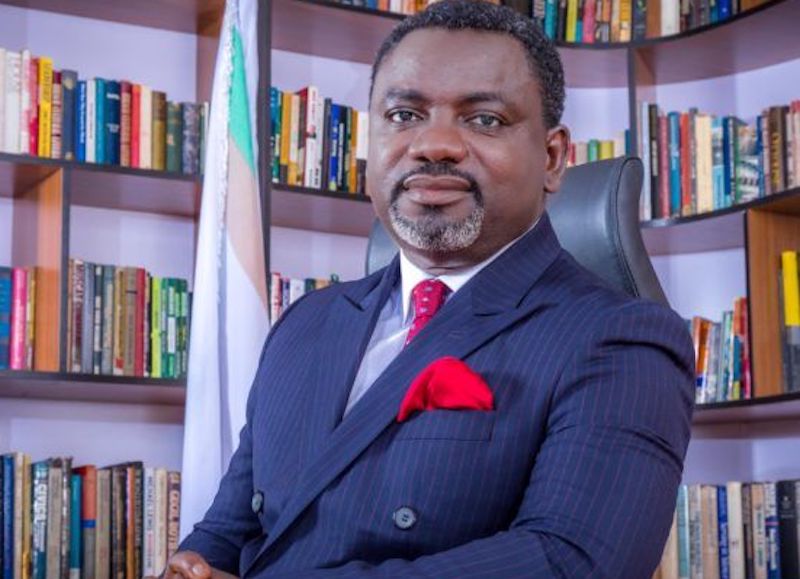
MFR Okolie is a leadership development expert with 30 years of experience in leadership research, teaching, and coaching across Africa and beyond. He is the CEO of the GOTNI Leadership Center.
