


Ceasefire Agreements Amid Ongoing Violence in the Middle East
Three ceasefire agreements are currently in effect across the Middle East, yet violent incidents continue to escalate in each region. The persistence of attacks raises critical questions regarding the effectiveness of ceasefires that do not fully halt hostilities.
Concerns Over Reliability of Ceasefire Promises
On Wednesday, President Donald Trump highlighted the ongoing military engagements with Iran in the Gulf, implying that assurances of peace in the region may lack credibility. During a press briefing, he remarked on the dynamics specific to this part of the world, suggesting that a truce might be interpreted as a less intense form of conflict.
Casualties Amidst a Fragile Peace in Gaza
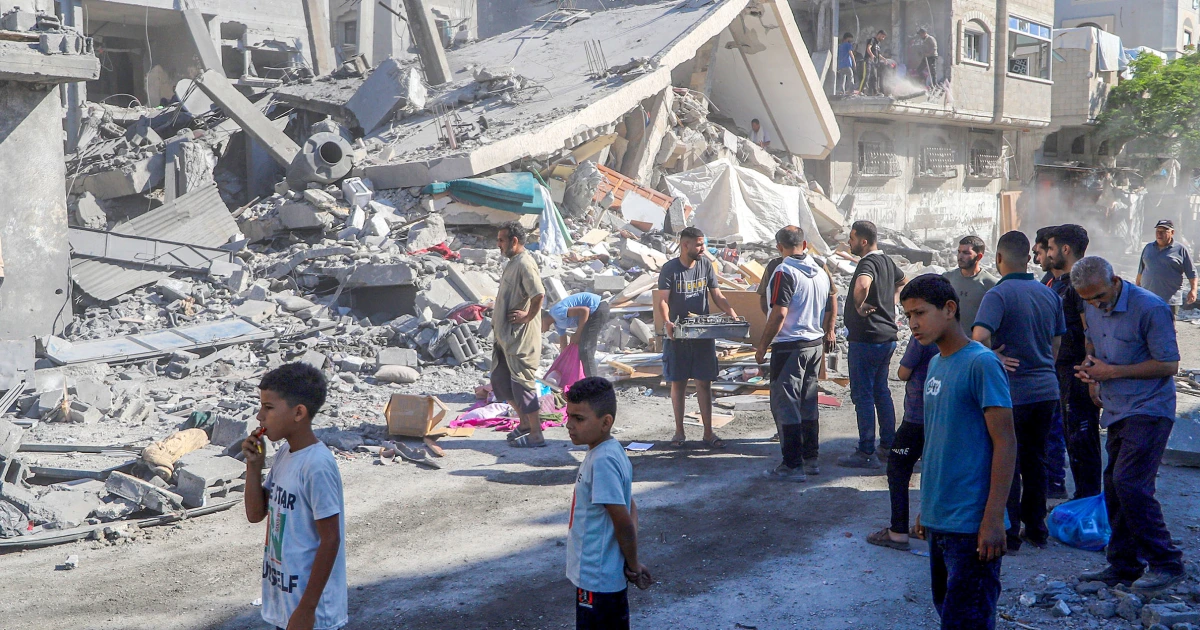
Just as the President made his remarks, reports emerged of at least nine Palestinian casualties from Israeli airstrikes in Gaza. The ceasefire in this area, part of a peace initiative brokered by Trump, has been in effect since October. Nevertheless, since its implementation, Israeli airstrikes and ongoing military actions have resulted in over 936 fatalities, according to the Gaza Health Ministry. Both Israel and Hamas accuse each other of breaching the terms of the ceasefire agreement.
Israeli Control and the Future of Gaza
Israeli Prime Minister Benjamin Netanyahu stated last week that Israel intends to reinforce its control over the Gaza Strip, despite a provision in the peace plan mandating a military withdrawal to the so-called “Yellow Line.” He noted his directive for the military to increase its presence in the region to 70%, claiming that the country is significantly advancing its control.
Stalled Peace Efforts in Lebanon
The situation remains fraught in Lebanon as well. A ceasefire agreement announced in April between Israel and the Lebanese government has not curtailed nearly daily airstrikes against targets associated with the Iranian-backed militant group, Hezbollah. The Lebanese authorities argue that Israel’s actions contradict the terms of the agreement, which was facilitated with U.S. mediation.
Ongoing Violence and Uneasy Tensions
Despite some proposals to halt mutual attacks, conflicts between Hezbollah and Israeli forces persist. Recently, two Lebanese officers were killed during an Israeli offensive, prompting the Lebanese National Army to condemn what they describe as repeated acts of aggression. Meanwhile, Israeli Defense Forces have promised to investigate the incident, amidst rising tensions.
Defining Ceasefires: The Language of Conflict
The IDF has not responded to requests for comments regarding allegations of ceasefire violations. Fawaz Gerges, a professor of international relations, suggested that recent commentary from Trump reflects a deeper ambiguity surrounding the term ceasefire. He noted that Israel retains the ability to launch attacks based on perceived threats, which complicates the operational meaning of such agreements.
Geopolitical Implications of Ongoing Conflicts
As negotiations stall for a broader peace deal, new attacks from both sides have been reported following an earlier ceasefire during the U.S.-Israel confrontations with Iran. The U.S. military recently intercepted Iranian missiles and drones targeting Gulf allies, signaling heightened volatility in the region. Meanwhile, Iran claims that the U.S. is violating ceasefire terms by obstructing its trade routes. Analysts indicate that while the Trump administration may seek to avoid escalating conflict, effective resolution remains elusive.
