


Examining Nigeria’s Leadership Challenges
Despite being Africa’s largest oil producer, Nigeria struggles to leverage its abundant natural and human resources, with a population exceeding 180 million. This demographic advantage has the potential to position the nation among the world’s top 20 developed countries, yet it remains unfulfilled. The question arises: why is this the case?
The Cost of Leadership Failures
The crux of the issue lies in the absence of dignified, patriotic leaders committed to the welfare of their citizens. Instead, many leaders prioritize self-enrichment over the needs of the populace, leading to a systemic failure that perpetuates suffering among the most vulnerable. As a result, the majority of Nigerians exist in debilitating poverty, with escalating unemployment and insecurity often outpacing economic growth.
Security Concerns Under Current Administration
Under the leadership of President Muhammadu Buhari and the All Progressives Congress (APC), Nigeria’s security situation has deteriorated alarmingly. Reports indicate an increase in fatalities in the northeast due to attacks by herdsmen and terrorists, raising questions about the government’s effectiveness in addressing these threats. Despite official assurances of efforts to combat these “hydra-headed monsters,” the reality on the ground remains grim.
Upcoming Elections and Voter Responsibility
In just a few months, Nigerians will face the crucial task of electing their leaders for the next four years. This juncture provides an opportunity to scrutinize the motivations behind political choices. Selling one’s conscience to politicians results in a vicious cycle of underdevelopment and socio-economic despair. It is vital to recognize that a nation’s success hinges on the decisions made by its leaders, shaped by the choices of its citizens.
A Call for Visionary Leadership
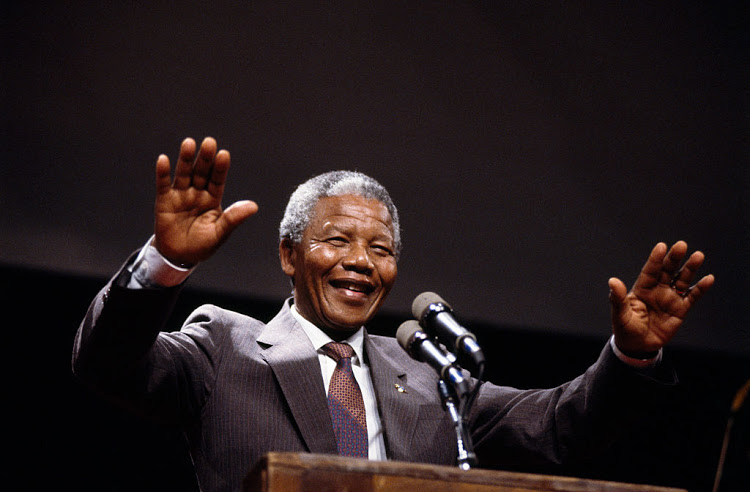
Nelson Mandela embodies the kind of leadership that Nigeria desperately needs today. His legacy of reconciliation and commitment to truth and justice serves as a guiding beacon. Mandela’s approach transcends religious, ethnic, and political divides, focusing on unity and the common good. As conditions in Nigeria compel citizens to seek a leader who can inspire change, Mandela’s values remain relevant and impactful.
Reflections on Corruption and Accountability
In discussions about Nigeria’s leadership, Mandela condemned the culture of corruption that has plagued the nation. He lamented the transformation of national resources into personal wealth, leading to unacceptable poverty levels. Mandela’s reflections remind Nigerians of the considerable challenges they face, prompting a collective urgency for change. He recognized the electoral process as a battlefield, emphasizing the importance of integrity and moral accountability in leadership.
Empowerment Through Voting
As the world commemorates Mandela’s centenary, it serves as a poignant reminder of the sacrifices made in the pursuit of justice, freedom, and reconciliation. It is imperative for Nigerians to engage actively in the democratic process, obtaining their Permanent Voter Cards (PVC) and preparing to elect candidates who embody the vision needed for progress. A united Nigeria is attainable, but only through the belief in shared values and collective action, turning dreams into tangible realities.
The future of Nigeria rests not only on political choices but also on the resolve of its citizens to prioritize governance that fosters development and solidarity. The nation’s greatness lies in its potential, which can be unlocked through informed, responsible voting and active participation in shaping its political landscape.
