


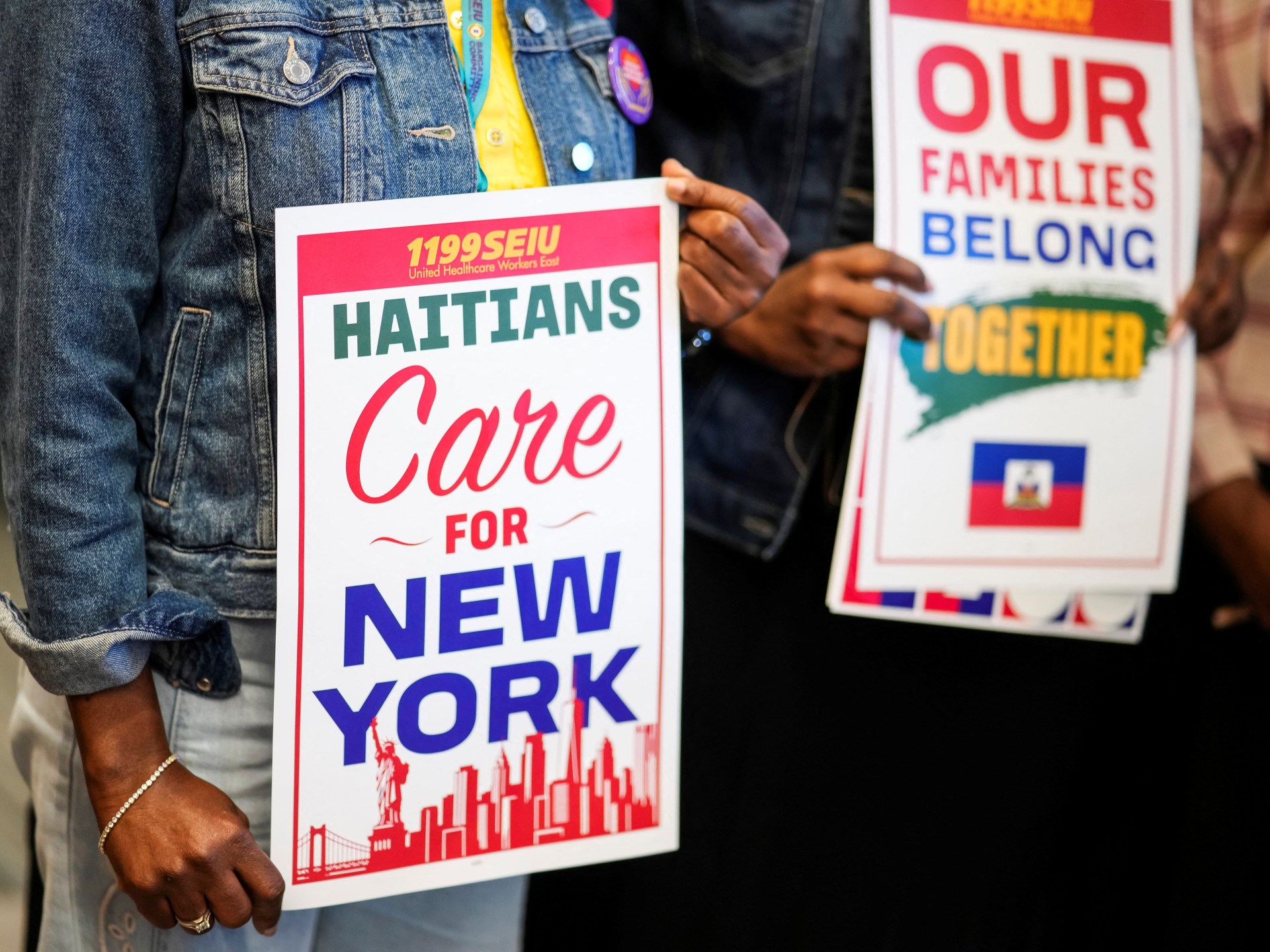
On June 25, the U.S. Supreme Court ruled in favor of President Donald Trump’s administration, allowing the termination of Temporary Protected Status (TPS) for Haitians. This decision threatens to strip many individuals of their legal immigration status.
As part of his broader agenda to curb immigration, President Trump is advocating for the elimination of TPS for various nationalities. However, lawmakers across the political spectrum are warning that rescinding TPS for Haitians could lead to a severe care crisis, particularly as many Haitians are employed in critical sectors such as health care.
Approximately one-third of Haiti’s over 350,000 legal TPS holders are integral to the U.S. health care system. Republican Congressman Mike Lawler expressed concern on social media, stating that an immediate suspension of TPS would create a crisis for hospitals, nursing homes, and other caregiving communities.
Democratic Representative Ayanna Pressley reinforced these worries, highlighting that many seniors would lose caregivers when they are already facing significant challenges. She pointed out that the loss of support would hinder seniors’ ability to age comfortably within their communities.
The Temporary Protected Status program permits nationals from countries experiencing crises—such as natural disasters or armed conflict—to reside in the U.S. for up to 18 months. Unless renewed by the federal government before Trump’s potential second term in 2025, the current designation could become permanent under his administration.
Lawler’s estimate regarding the healthcare workforce aligns with data indicating that approximately 330,000 Haitians could be affected by the ruling, with TPS-related work permits set to expire on July 10. These individuals now face potential deportation unless they qualify for an alternative immigration status. The ruling extends its impact to Syrians and Venezuelans as well.
Florida, home to approximately 158,000 TPS holders—most of whom reside in South Florida—boasts the largest population of TPS recipients in the U.S., totaling around 404,000. Entities such as the nonpartisan Congressional Research Service report that over half of these individuals hail from Venezuela, with a significant portion from Haiti.
The health care industry, already grappling with an aging population and caregiver shortages, is likely to face severe repercussions from the termination of TPS for Haitians. Medical professionals emphasize that Haitians play a vital role within this sector.
Evidence from the *Boston Globe* indicates that roughly 13,000 of Haiti’s TPS holders work as nursing assistants, caring for approximately 65,000 patients daily. Additionally, about 8,000 Haitian caregivers assist 12,000 children and seniors, according to Americans for Immigrant Justice, a Miami-based nonprofit that supports low-income immigrants. The loss of this workforce is expected to be most acutely felt in states like New York, Massachusetts, and Florida.
Medical researchers assert that deporting Haitians with TPS will heighten pressure on a healthcare system already strained. Immigrants comprising TPS status play an essential role, accounting for about 15 percent of non-national health care workers, with broader implications for future workforce needs as the elderly population in the U.S. is projected to grow significantly.
An alarming 50 percent of nursing homes report limitations in admissions due to staffing shortages, while nearly two-thirds of hospitals currently operate below capacity because of a lack of nurses and staff. Dr. Steffy Woolhandler, a distinguished public health professor, remarked that the ongoing crisis in direct care is only likely to worsen with further deportations.
The caregiving landscape has been challenged by staffing issues long before these administrative changes. Drishti Pillai, director of immigration health policy at the research nonprofit KFF, emphasizes that the existing shortage will only intensify, making it increasingly vital to address the workforce needs in long-term care and eldercare settings.
Health professionals attribute the high percentage of TPS holders in caregiving roles to factors such as job availability, ease of certification, and relevant personal experience. As positions in the sector often have low entry requirements and do not demand high levels of English proficiency, immigrant support organizations frequently recommend these careers to new arrivals.
Experts caution that the caregiver gap will only widen in the coming years as the demand for support far exceeds the available workforce, exacerbating an already critical situation.
