


Nigeria’s Media Influence on Nation-Building
Nigeria’s rich socio-political history reveals that the mass media has played a pivotal role in shaping the nation, arguably more than any other profession. From the early days of independence, journalists have been at the forefront of advocacy, often risking their lives and careers to foster change.
The Role of Journalists in the Independence Movement
Prominent figures such as Herbert Macaulay, Kitoe Ajasa, and Nnamdi Azikiwe were instrumental in leading the charge against colonial rule. The impact of their efforts was significantly amplified by various media outlets, including the West African Pilot, Daily Times, and Nigerian Tribune. These publications not only reported news but also served as platforms for mobilizing public support and disseminating nationalist ideas.
The Media’s Defense of Democracy
The media’s role did not diminish post-independence; rather, it became crucial during periods of military rule, particularly between 1983 and 1999. The military’s grip on power prompted journalists and activists to band together, highlighting the need for democratic governance. Individuals like Remi Oyo and Bayo Onanuga made significant contributions to the resistance against dictatorship, with many journalists sacrificing personal security for the greater good.
Challenges Faced by Media Organizations
Media houses such as The Punch, The Guardian, and Vanguard faced intense scrutiny, harassment, and censorship during Nigeria’s turbulent democratic journey. Despite these challenges, they remained resolute in their mission to report the truth and hold power to account, often putting themselves in harm’s way in the process.
Reviving Agriculture Through Media Advocacy
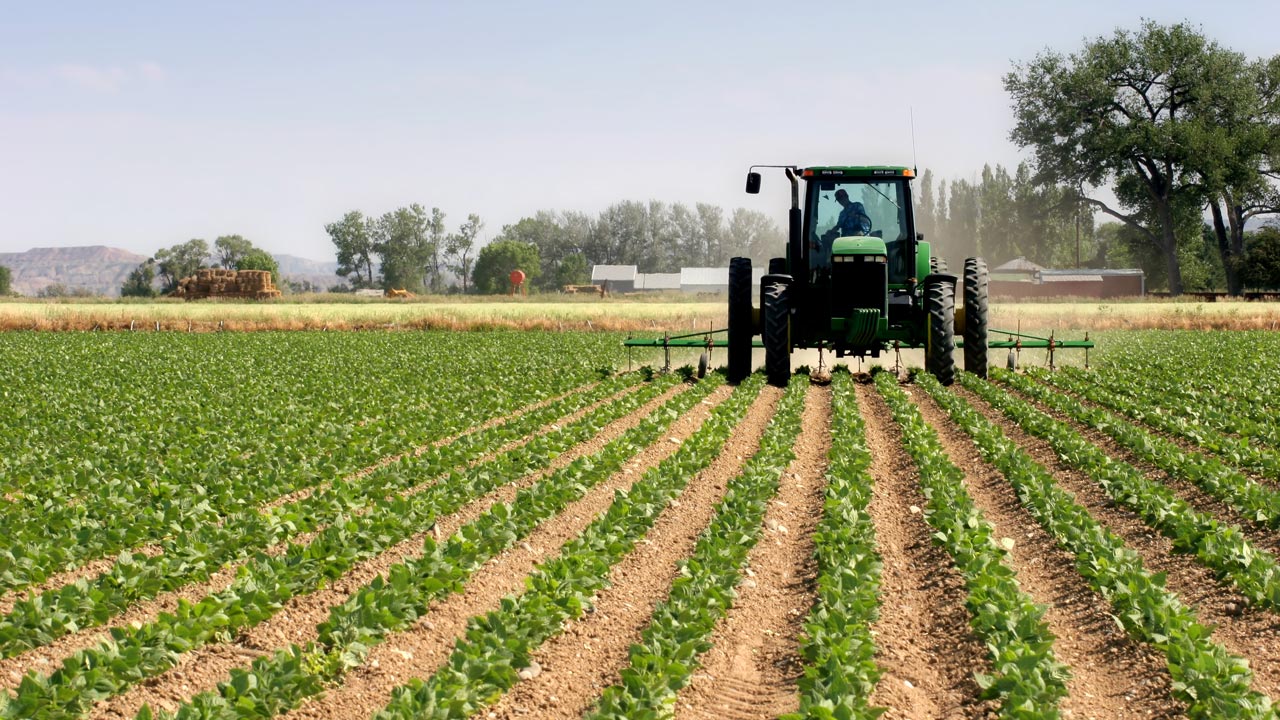
In recent years, the Nigerian media has turned its attention to agriculture and food security, recognizing its critical importance to the national economy. From the “oil boom” to the “oil bust,” journalists have consistently advocated for a diversified economy that embraces agricultural production. Initiatives like the Green Revolution and President Buhari’s Green Alternatives have received extensive coverage, promoting awareness and alignment around agricultural policies.
Untapped Agricultural Potential in Nigeria
Nigeria is endowed with substantial agricultural resources that, if harnessed effectively, could provide food security for Africa. The agricultural sector employs about 30% of the population, engaging in the cultivation of staple crops such as rice, cassava, and cocoa, as well as vibrant aquaculture. The media has played an essential role in showcasing the economic potential and opportunities within this sector both locally and internationally.
Collaboration Between Media and Agricultural Initiatives
The importance of information dissemination is recognized by various stakeholders in the agricultural value chain. Organizations such as the World Bank and FAO prioritize effective communication strategies to support agricultural initiatives. The FADAMA project, for instance, has gained recognition largely due to the strategic use of media to raise awareness and involve communities in agricultural development.
Media’s Impact on Agricultural Policy and Development
The collaboration between media and agricultural institutions has significantly enhanced the visibility and engagement of agricultural policies. From traditional channels to social media, agricultural journalism has evolved, influencing political agendas and becoming a key topic in election campaigns. The International Monetary Fund’s reports indicate that the continued growth in agriculture is vital for Nigeria’s economic health, projecting an increase in the nation’s economic growth rate.
