


Church Leaders and Advocates Address Immigration Challenges in Detroit
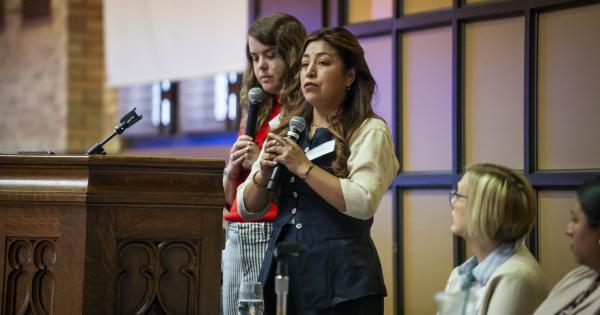
On May 6, over 200 priests, bishops, diocesan leaders, and immigrant rights advocates from ten dioceses convened at Sacred Heart Major Seminary in Detroit. The conference, titled “Witness to Hope: Pastoral Care for Immigrant Communities,” emphasized the Church’s role in the ongoing immigration debate and examined how recent federal policies have affected immigrant populations over the past two years.
Strengthening Connections with Immigrant Communities
The summit aimed to inspire church leaders to enhance their outreach to immigrant communities, especially as immigration enforcement measures have intensified under President Donald Trump’s second term. This event was a collaborative effort among the Archdiocese of Detroit, Catholic Charities of Southeastern Michigan, the Hope Border Institute in El Paso, Texas, and the New York Center for Immigration Studies. It followed similar “Witness to Hope” rallies previously held in Providence, Rhode Island, and Phoenix, Arizona.
Archbishop Welcomes Diverse Voices
Detroit Archbishop Edward Weisenberger opened the discussions, highlighting the importance of various groups advocating for immigrant rights within the community. Among those present were Bishop Earl Boyea of Lansing, Bishop David Walkowiak of Grand Rapids, and Auxiliary Bishop Jeffrey Monforton of Detroit. The archbishop shared an anecdote from his experience studying philosophy in Belgium, illustrating the human connection felt when witnessing the struggles of others.
Immigration as a Humanitarian Concern
Reflecting on his tenure as a bishop in Tucson, Arizona, Weisenberger recounted how Catholic Charities and the Kino Border Institute processed up to 1,400 individuals daily from U.S. Customs and Border Protection. He emphasized the disparity between public political narratives and the Church’s mission: to uphold human dignity. This shared mission mandates that church members view immigration issues through the lens of compassion, acknowledging the presence of Christ in all individuals.
Legal Perspectives on Immigration Rights
The conference featured insights from legal experts, including Kevin Appleby, Senior Fellow for Policy and Communications at the Center for Immigration Studies. He clarified that while sovereign nations have the right to regulate their borders, this right is not absolute and must prioritize human rights and dignity. Appleby advised the attendees to avoid ambiguous phrases like “securing borders,” which often lack precision in political discussions surrounding immigration.
Advocating for Comprehensive Reform
Appleby emphasized the need for reform that prioritizes families and long-standing community members over punitive measures. He presented statistics that counter the common claims associated with mass deportations, revealing that a minuscule percentage of deported individuals were involved in serious crimes. He urged the Church to advocate for pathways to citizenship for immigrants who have integrated into their communities through work and family life.
Understanding the Personal Impact of Deportation
Jazmin Rubio, Family Program Manager for Catholic Charities’ La Casa Amiga Program, shared her father’s harrowing immigration journey, which underscored the emotional toll of separation families endure. Monica Tay Beray, Director of La Casa Amiga Legal Clinic, noted that immigrants generally commit fewer crimes than U.S.-born citizens, while attorney Meghan Kennedy Riordan emphasized the importance of legal knowledge and awareness about immigrants’ rights. She provided actionable guidance on how congregations can prepare for potential ICE activities within their communities.
Addressing Systemic Challenges in Advocacy
As the conference progressed, participants broke into smaller groups to tackle local challenges in supporting immigrant populations. Todd Skuber, Educational Outreach Coordinator for the U.S. Conference of Catholic Bishops’ Office of Immigration Policy and Public Affairs, reported on the significant reductions in resources dedicated to immigration issues due to federal budget cuts. This necessitates collaborative efforts with organizations like the Center for Immigration Studies and Hope Border Institute to more effectively address current immigration challenges.
