


Collaboration with Traditional Rulers to Tackle Insecurity and Enhance National Unity
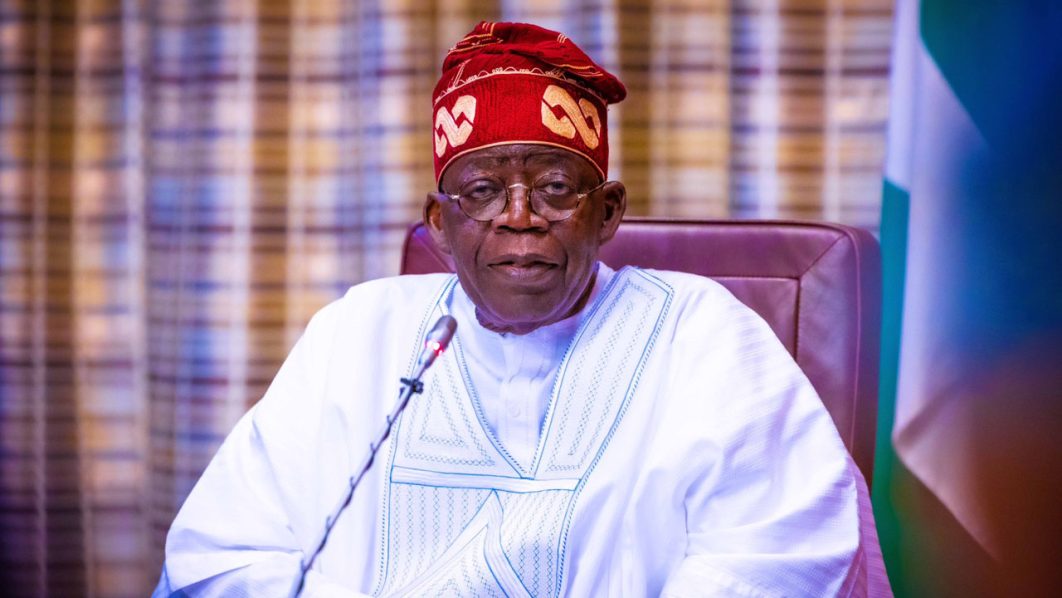
President Bola Tinubu has reaffirmed his administration’s commitment to collaborating with traditional rulers in northern Nigeria to combat insecurity, foster national unity, and drive socio-economic development. He emphasized that the royal institutions play a crucial role in governance and peacebuilding.
Minister of Information and National Orientation, Mohammed Idris, delivered the President’s message during the 8th Executive Committee meeting of the Northern Traditional Rulers Council (NTRC) held in Dutse, Jigawa State. Key stakeholders gathered to discuss strategies for promoting peace and development throughout the northern region.
Idris highlighted the administration’s recognition of the significant impact traditional institutions have at the grassroots level and its ongoing dedication to enhancing engagement with these bodies to foster peace, security, national unity, and inclusive development across Nigeria.
He praised the leadership of the Northern Council of Traditional Rulers, under Sultan Alhaji Muhammad Saad Abubakar, for its persistent efforts in advancing peace, unity, and development initiatives in Northern Nigeria. Idris addressed the conference theme, “Peace, Unity, and Development in the North,” noting that true progress can only materialize in a climate of peace and solidarity. He urged all stakeholders to focus on shared interests for the enrichment of the region and the nation.
According to Idris, traditional rulers are vital partners in governance due to their close ties with local communities and their ability to rally citizens toward national objectives. He stated that for generations, these leaders have served as guardians of culture, mediators in conflicts, and reliable links between the government and the populace.
On the topic of security, Idris reported that the Tinubu administration has improved coordination among military, intelligence, and other security agencies, achieving significant results against criminal and terrorist groups across the nation. Despite ongoing security challenges, he confirmed that military operations continue, with a focus on boosting intelligence capabilities and strengthening inter-agency cooperation while addressing the socio-economic factors contributing to insecurity.
Idris emphasized that achieving peace requires more than security operations; it also involves tackling poverty, unemployment, social exclusion, and the lack of economic opportunity that can exacerbate insecurity. He highlighted various federal initiatives aimed at job creation and livelihood improvement, including advancements in agriculture, livestock development, solid minerals, and infrastructure, as well as education financing and support for small and medium-sized enterprises.
Among these initiatives, the establishment of the Federal Ministry of Livestock Development stands out as a transformative effort aimed at modernizing livestock production and enhancing productivity while reducing conflicts over natural resources. This ministry is positioned as a strategic intervention that could significantly impact job creation, food security, and national economic growth.
Idris also underscored major infrastructure projects such as the Lagos-Calabar Coastal Expressway and the Sokoto-Badagry Super Highway as vital investments that would enhance national connectivity, lower transportation costs, and invigorate economic growth. He described these highways not only as economic assets but also as crucial contributors to national unity.
The Minister outlined the New Hope Agenda, which focuses on expanding economic opportunities through initiatives like the Nigeria Education Loan Fund (NELFUND) and the Nigeria Consumer Credit Corporation (CREDICORP). He urged traditional rulers to engage in the education of their communities, combat misinformation, and champion responsible citizenship to drive inclusive growth and development.
Idris expressed optimism that discussions at the conference would yield actionable recommendations to bolster peace, unity, and development in Northern Nigeria and beyond. He also extended the condolences of the Federal Government to the traditional institutions, the government, and the people of Katsina State following the passing of Retired Major General Rabe Abubakar, noting that his death serves as a poignant reminder of the pressing need to combat insecurity.
The conference gathered traditional rulers, government officials, and other stakeholders from across Northern Nigeria to strategize ways to establish lasting peace, unity, and sustainable development in the region.
