


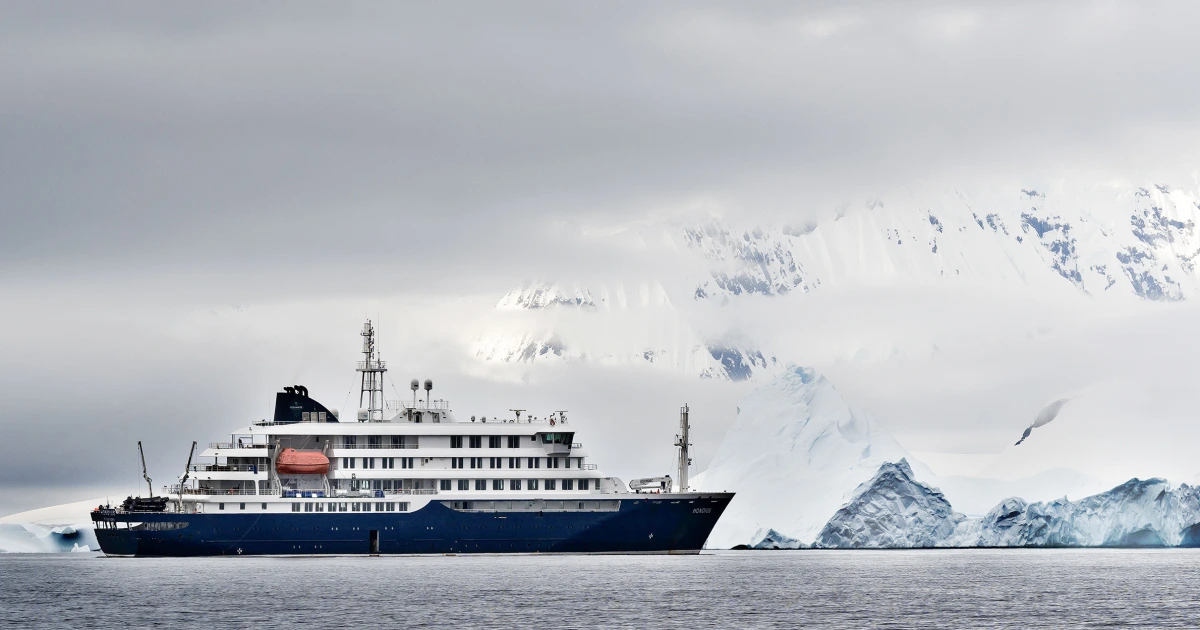
Fatal Hantavirus Outbreak on Atlantic Cruise Ship
Recent reports reveal that three passengers have died and three others are currently receiving treatment for a suspected hantavirus infection aboard a cruise ship in the Atlantic Ocean, according to health authorities.
Among the deceased, a passenger from the United Kingdom fell ill while the ship was en route from St. Helena to Ascension Island. This case has been confirmed as hantavirus infection, stated Foster Mohale, spokesperson for the South African Health Department.
The World Health Organization (WHO) has stated that there are five additional suspected cases linked to this outbreak. The other two fatalities consist of a couple: a 70-year-old man who was pronounced dead upon arrival in St. Helena, and a 69-year-old woman who collapsed at Johannesburg’s international airport while traveling back to the Netherlands. She later succumbed to her condition at a medical facility.
Saint Helena, the location of the cruise ship’s recent stop, is positioned midway between South America and Africa. Currently, three additional individuals on the vessel have shown symptoms, with one requiring intensive care in South Africa, according to reports from the WHO.
The WHO is reportedly collaborating with the ship’s operator to facilitate medical evacuations for two other symptomatic passengers, although it remains unclear whether these evacuations have occurred.
The cruise ship Hondius is currently moored off the coast of Cape Verde, an African nation in the Atlantic. Oceanwide Expeditions, the ship’s operator, has confirmed that authorities have boarded the vessel to assess the health of the passengers but have not permitted disembarkation.
According to the operator, the two symptomatic individuals remaining on board are crew members. Oceanwide Expeditions emphasized its commitment to ensuring these individuals receive timely and appropriate medical attention.
The WHO is actively coordinating medical support for affected seafarers while simultaneously launching multiple investigations into the virus, which has already been sequenced. The cruise ship, which had embarked from Ushuaia, Argentina, approximately three weeks ago, transported about 150 passengers to the Canary Islands, calling at several significant ports along the way.
As stated by the Centers for Disease Control and Prevention (CDC), hantavirus infection can lead to hantavirus pulmonary syndrome, a severe condition that affects the lungs and carries a mortality rate exceeding one-third for cases in the United States. Hantaviruses are primarily transmitted through contact with rodent excretions and in rare instances, through human-to-human interaction. Symptoms typically include fever, difficulty breathing, fatigue, and nausea.
The WHO cautioned that while instances of person-to-person transmission are rare, they do occur and can lead to serious respiratory illnesses, necessitating careful monitoring and a robust medical response.
