


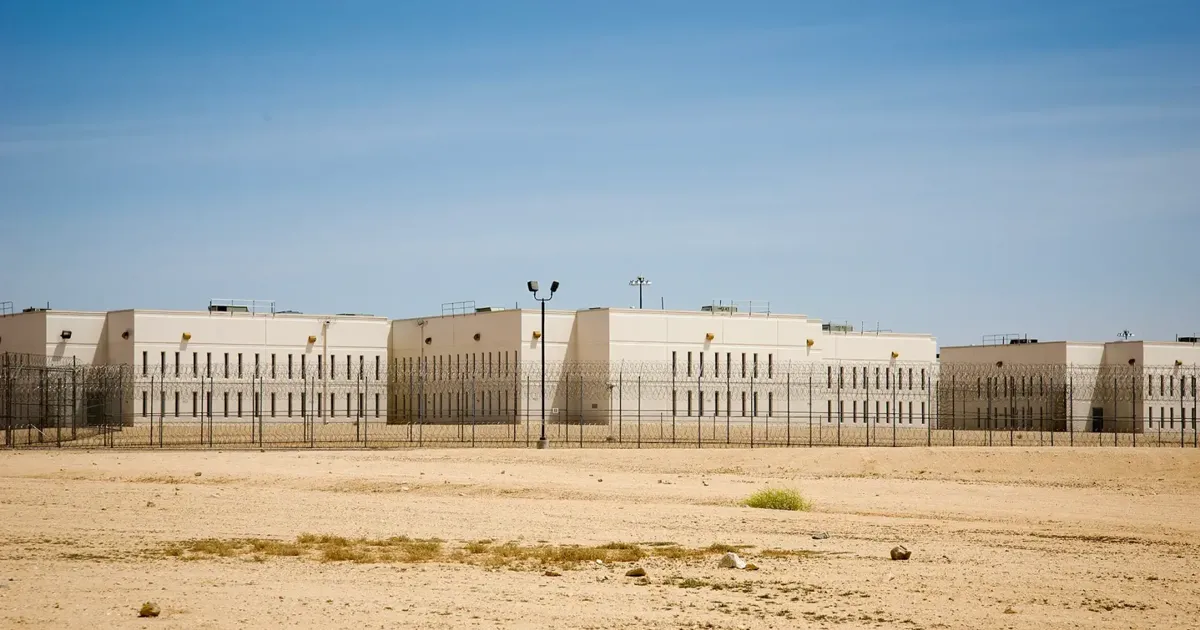
Increasing Deaths in California Immigrant Detention Centers
A recent state study reveals troubling conditions in California’s immigrant detention centers, indicating that six individuals have died in the past year due to overcrowding and inadequate medical care. The 175-page report, released on Friday, sheds light on the challenges faced by these facilities, often situated in remote areas, making them increasingly difficult for families, advocates, and lawyers to access.
This death toll represents the highest recorded since a state inspection initiative began seven years ago, with zero recorded deaths in custody during 2024, according to data compiled by the American Immigration Lawyers Association and the Attorney General’s Office. The fatalities have occurred amid heightened deportation efforts that, initiated by the previous administration, have escalated the population in detention centers by over 150%.
Rising National Fatalities and Individual Cases
Nationally, 18 individuals have lost their lives in such facilities this year, averaging one death per week. The cumulative total stands at 48 since the start of the previous administration. According to a recent study published in the Journal of the American Medical Association, the current incidence rate is alarmingly close to seven times the levels seen earlier in 2023, at a shocking rate of 88.9 deaths per 100,000 detainees.
In California, four of the six fatalities occurred at the Adelanto Immigration and Customs Enforcement (ICE) Processing Center in San Bernardino County, while two were reported at the Imperial Regional Detention Center near the U.S.-Mexico border. Families of the deceased at Adelanto argue that the facilities failed to deliver essential medical care, as highlighted in the recent report.
Investigation Findings and Systemic Issues
The California Department of Justice conducted inspections mandated by a law enacted in 2017, aimed at addressing serious concerns over detention facility conditions. Over two days, investigators and medical professionals examined conditions at each site, interviewing 194 detainees from more than 120 countries.
Prior inspections raised flags about inadequate mental health care across several facilities, prompting this year’s detailed focus on how surging inmate populations are stretching healthcare resources thin. Detainees reported drastically limited food options, persistent health issues, and unsanitary restroom conditions. Many expressed emotional distress, recounting their experiences in cramped confinement, often despite not having been convicted of any crime.
Oversight and Staffing Challenges
California Attorney General Rob Bonta condemned the findings, characterizing them as cruel and unacceptable. The report emphasizes the lack of sufficient medical staff in light of the increased detainee population. Investigators noted particularly dire staffing levels at a new facility in California City, where a single physician was designated to serve approximately 1,000 inmates.
All detention centers operate under private companies contracted by the federal government. Investigators highlighted systemic failures by these firms to meet established care standards. Representatives from the companies that manage these facilities acknowledged the report and expressed their commitment to improving care for detainees.
Marginalization of Civil Rights
The report also highlights a decline in civil rights protections under the previous administration. Since January 2025, funding for legal programs informing detainees of their rights has been ceased, and the Department of Homeland Security’s Civil Rights Oversight Office has been closed. Notably, protections for transgender detainees have also been suspended.
Detainees, including those who reported harassment incidents, have depicted a harrowing reality. For example, a transgender woman from El Salvador shared her traumatic experiences of sexual harassment while detained in a male-only facility, leading her to sign voluntary departure papers to return to her home country. This reflects the heightened vulnerability that many detainees face in these settings.
Expansion of Detention Facilities
As of the latest investigations, there were 6,028 individuals in immigration detention across California—a staggering 162% increase compared to 2,300 individuals in early 2023. The state now ranks third in terms of the highest number of ICE detainees in the United States, trailing only Texas and Louisiana.
California hosts two of the nation’s largest detention facilities, housing individuals primarily from Mexico, El Salvador, Guatemala, and several other countries. Recently, ICE has opened two new detention centers in California, one in California City and another in McFarland, both previously utilized for housing state prison inmates. The state has signaled intentions to increase oversight of these recently established centers.
In response to the ongoing immigration crackdown, California lawmakers have introduced various bills to counteract policies implemented by the past administration, including proposals aimed at making the operation of detention centers unprofitable through taxation to support immigrant rights organizations.
This article was originally published on CalMatters and is republished under the Creative Commons Attribution-NonCommercial-NoDerivatives License.
