


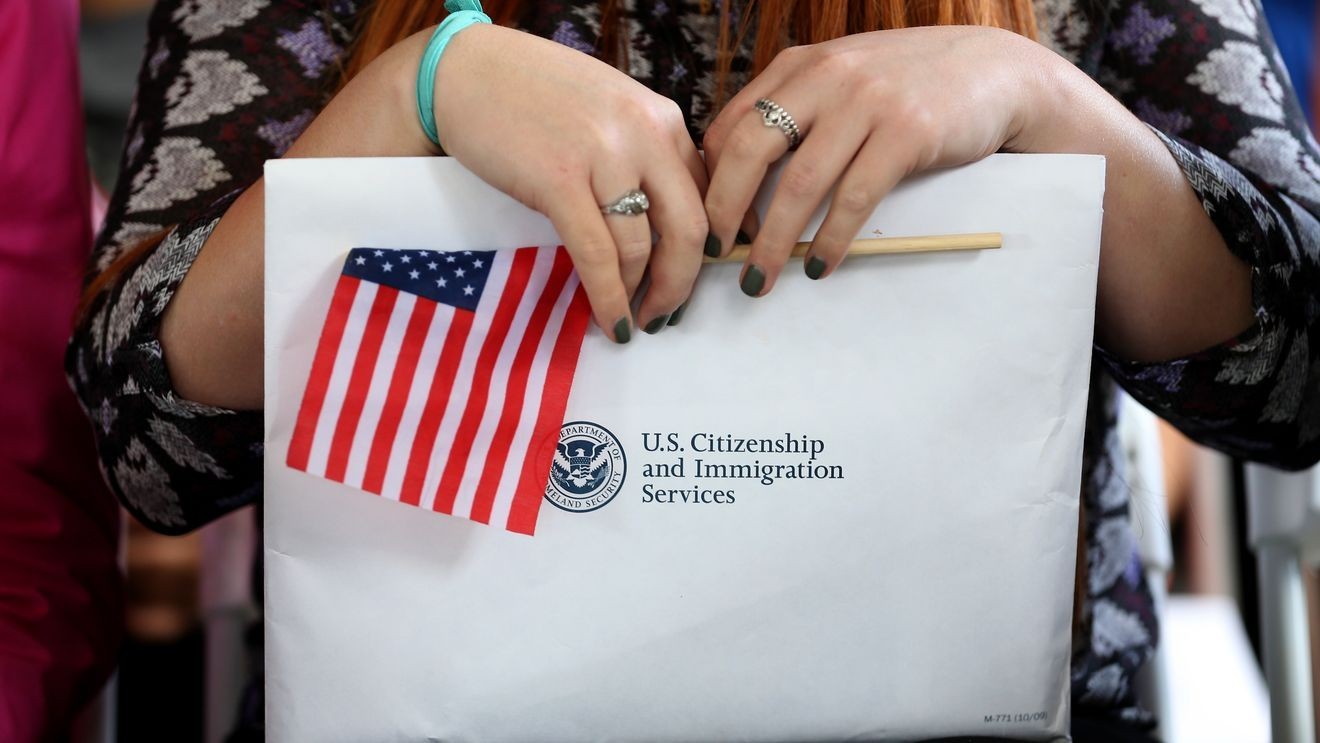
Trump Administration Proposes Fee Increases for Citizenship Applications
The Trump administration has unveiled a significant proposal aimed at raising application fees for legal immigrants seeking U.S. citizenship, while also removing exemptions for low-income applicants. This plan, which was submitted for public comment by U.S. Citizenship and Immigration Services (USCIS), could greatly impact those pursuing naturalization.
Details of the Proposed Fee Structure
The proposed regulation (RIN: 1615-AD08) suggests increasing application fees by an additional $570, raising the fee for paper applications from $760 to $1,330 and for online applications from $710 to $1,280. Additionally, the fee for applicants requesting a reconsideration of a denied citizenship application would rise by $645, marking a substantial increase for those navigating the naturalization process.
Elimination of Fee Waivers
This proposed regulation also removes fee waivers for citizenship applications and limits options for individuals whose household income is at or below 400 percent of the federal poverty line. Notably, the fee waiver for military personnel applying for citizenship would remain in effect, indicating some consideration for those in uniform amidst broader fee hikes.
Public Comment Period and Implementation Timeline
The changes to the fee structure won’t be implemented immediately due to the government’s rulemaking process. Members of the public have until August 24 to provide feedback on this proposal, allowing for broader dialogue about its implications.
Justification for Fee Increases
According to the proposal, the Department of Homeland Security (DHS) claims that the fee increases are essential to “fully subsidize the processing of citizenship applications.” This move aligns with the Trump administration’s ongoing efforts to thoroughly vet applicants for citizenship, reflecting a shift toward heightened scrutiny in the immigration process.
Understanding the Citizenship Application Forms
Form N-400 serves as the primary application tool for legal immigrants, specifically green card holders, seeking U.S. citizenship. For individuals who have previously been denied naturalization, Form N-336 allows them to contest that decision in a formal hearing. This bifurcated approach highlights the complexity involved in U.S. citizenship applications, especially with the proposed fee hikes looming.
Executive Orders Shaping Immigration Policy
In January 2025, President Trump enacted several executive orders regarding immigration and naturalization policy, including Executive Order 14161. This order emphasizes protecting the U.S. from foreign threats and mandates vetting and examining all aliens currently residing in the country. Additionally, it directs DHS to propose measures promoting a unified American identity, reflecting an overarching goal to enhance national security.
Implications of Policy Changes
The DHS argues that the proposed fee increases and the elimination of waivers aim to bridge the gap between the costs incurred in processing applications and the revenue generated from these forms. This shift marks a significant departure from past practices, as the agency moves away from prioritizing low fees for naturalization processes in favor of a more financially sustainable model. As the Biden administration moves forward, the implications for lawful permanent residents—who typically must hold a green card for up to five years before applying—remain significant, especially as the screening process intensifies.
