


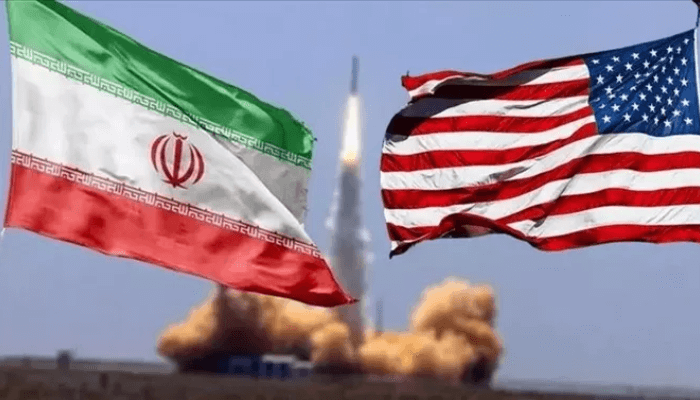
Trump Announces Potential Peace Agreement with Iran
U.S. President Donald Trump has revealed plans for a peace deal aimed at resolving the ongoing strife between Washington and Tehran. The agreement is anticipated to be signed on Sunday, although Iranian officials have indicated that this timeline may not be set in stone.
Impact on Global Shipping Routes
In a statement on his Truth Social platform, President Trump highlighted that the agreement would lead to the immediate reopening of the Strait of Hormuz. This vital route is central to global oil and liquefied natural gas shipping.
Details of the Agreement
Trump has emphasized that the signing will take place on the previously announced date, asserting that “the Strait of Hormuz will be open to all” as soon as the agreement goes into effect. He also referenced Iran’s enriched uranium stockpile, mentioning plans to appropriately manage it at a calmer time.
Iran Takes a Cautious Stance
Contrasting Trump’s optimism, Iranian Foreign Ministry spokesman Esmail Baghai has adopted a more cautious tone. He stated that Iranian officials are awaiting further clarification regarding the signing date, suggesting, “It is not tomorrow.” This indicates a wait-and-see approach from Tehran.
The Role of Pakistan in Negotiations
According to the BBC, Pakistan has played a crucial role in facilitating the discussions. Prime Minister Shehbaz Sharif noted that both parties are closer to finalizing an agreement, with expectations for it to be concluded within 24 hours. Sharif added that technical-level talks are set to follow the electronic signing of the peace agreement.
Broader Implications of the Agreement
The proposed deal aims to resolve a multifaceted conflict involving the U.S., Iran, Israel, and Hezbollah in Lebanon. Iranian Foreign Minister Seyyed Abbas Araghchi indicated that the agreement would not only reopen the Strait of Hormuz but also lift the U.S. blockade on Iranian ports, while nuclear program negotiations would be addressed later.
Concerns About Previous Negotiations
Western nations have long accused Iran of pursuing nuclear weapons, a charge Tehran has consistently denied, asserting its nuclear efforts are geared toward peaceful purposes. Previous attempts to achieve a deal have faltered at critical stages, casting doubt on whether this latest breakthrough will be realized. The recent hostilities, which began following U.S. and Israeli attacks on Iran in late February, have raised further concerns about ongoing tensions and potential disruptions to the region’s stability.
