


New Leadership of U.S. Catholic Bishops Addresses Key Issues
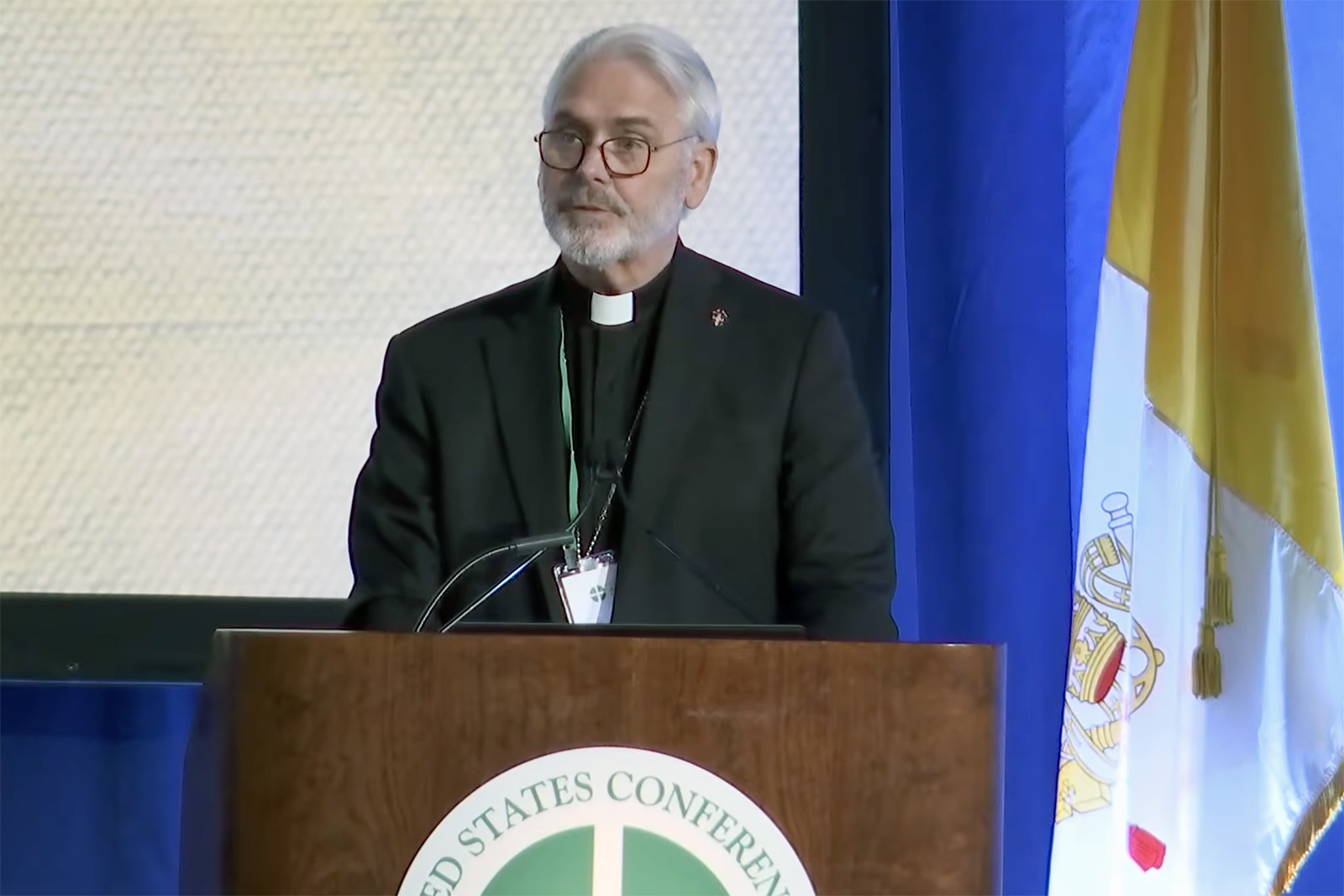
In their inaugural speeches on June 10, Archbishop Paul Coakley of Oklahoma City and Archbishop Gabriele Giordano Caccia highlighted pressing challenges facing the U.S. Catholic Church as they take on their new roles. Coakley, now the president of the U.S. Conference of Catholic Bishops, outlined a vision that underscores the need for the Church to be a guiding force amid a backdrop of social and political turmoil.
Evaluating the Connection Between the U.S. and Vatican
Throughout Pope Francis’ papacy, critics noted that the U.S. Conference occasionally deviated from pivotal initiatives championed by the pontiff, particularly in areas like environmental stewardship and synodality. Observers are keen to see how the new leadership will navigate this relationship. Coakley’s frequent references to the teachings of the first American-born pope indicate a possible shift toward aligning more closely with Vatican priorities. However, the conference’s current agenda does not include discussions on artificial intelligence or Pope Leo’s first encyclical, Magnifica Humanitas.
Promoting Faith Amidst Societal Challenges
Coakley addressed a multitude of societal issues in his comments, stating, “Today we live in a time of constant flux.” He highlighted challenges such as forced migration, economic disparity, climate change, and the ethical dilemmas posed by artificial intelligence. He asserted that in order to restore hope in these turbulent times, there must be a more confident proclamation of Christ’s truth.
Dialogue with Political Leadership
Coakley’s meeting with former President Trump marked a significant moment, as it was the first such meeting for a U.S. bishops’ president in over a decade. While he reflected on their discussions as a “heartfelt visit,” he acknowledged the need for continued dialogue, especially regarding the administration’s policies. Some experts worried that his appointment might lead the conference to adopt a more accommodating stance toward Trump; however, Coakley clearly stated that the conference’s mission should prioritize faith above politics.
Addressing Key Political Goals
The archbishop outlined several political objectives, including reducing polarization, advocating meaningful immigration reform, and upholding human dignity. He emphasized that threats to vulnerable populations must be addressed, asserting that human life is invaluable, independent of perceived usefulness. This aligns with his call for bishops to actively resist racism and the dehumanization of those marginalized in society.
Immigration and Compassionate Outreach
Coakley also underscored the importance of the bishops’ previous statements on immigration, condemning indiscriminate mass deportations. He expressed that the sentiments behind the bishops’ statement remain relevant, emphasizing compassion for individuals facing deportation. He encouraged bishops to engage with those holding diverse opinions to counteract the damaging effects of polarization, which he described as a scandal.
Upcoming Initiatives and Spiritual Direction
The conference’s agenda will address a range of issues, including the prevention of sexual abuse, biblical liturgical updates, and political leadership in the Church. Caccia, the new apostolic nuncio, expressed his eagerness to foster deeper relationships with U.S. bishops and conveyed a commitment to addressing the loneliness some may feel in their roles. He emphasized the significance of Pope Leo’s election as a divine gift meant to strengthen the Church in the U.S. while addressing historical challenges such as abuse.
As the bishops prepare to vote on changes to vital guidelines for preventing sexual abuse, the discussions foreshadow a critical moment for the Church. Both leaders mentioned plans to consecrate the United States to the Sacred Heart of Jesus, emphasizing the connection between this act and the Church’s broader missionary mission. Coakley reiterated the necessity of evangelism, noting a net positive in new Catholic memberships, yet expressing sorrow for those leaving the faith. He concluded by reaffirming the Church’s ongoing mission to reach out to the unaffiliated and independent individuals to inspire hope.
