


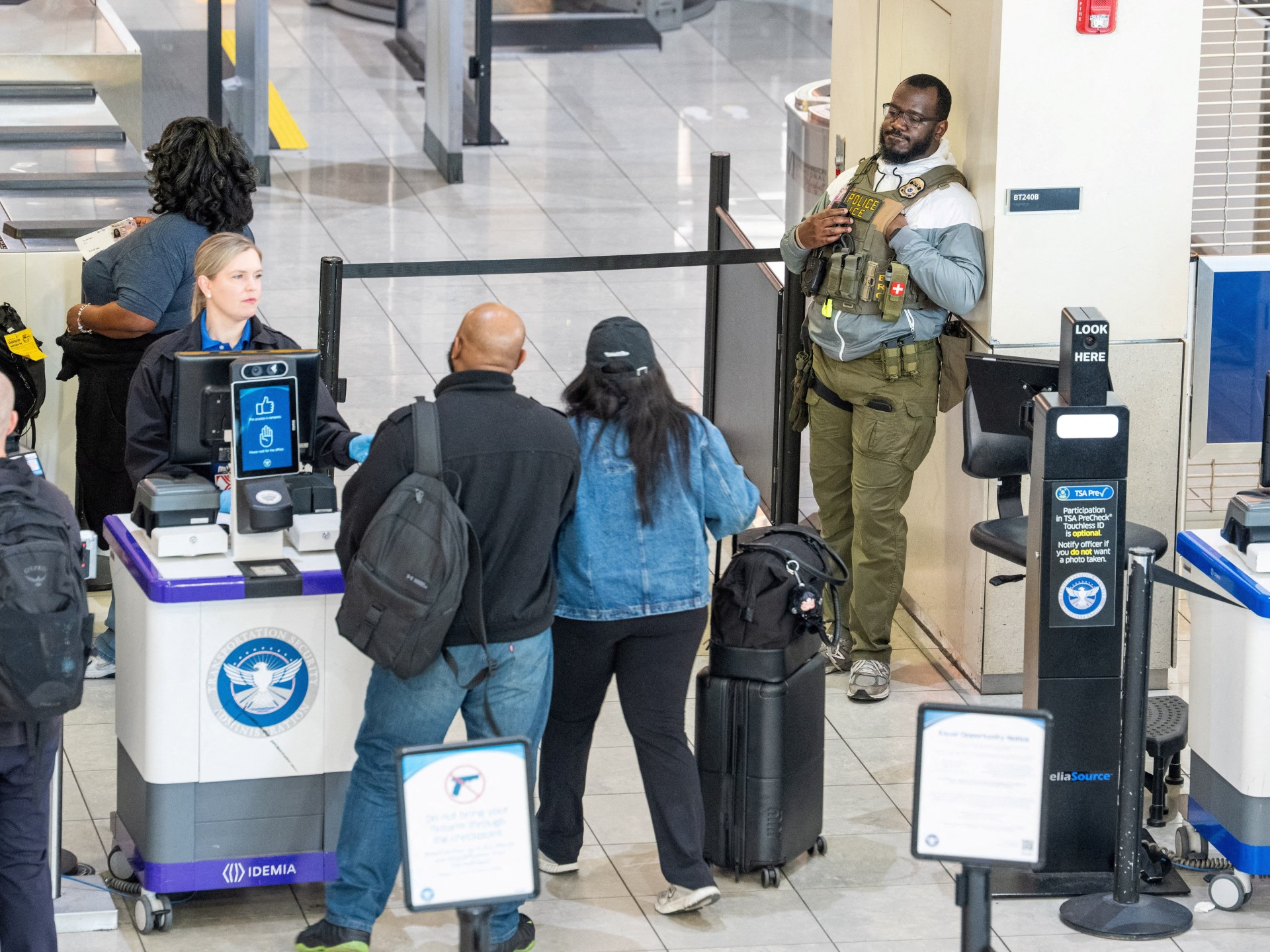
The House approved funding measures to exempt ICE, resolving a prolonged crisis that impacted federal workers’ paychecks.
President Donald Trump has formally signed a bill restoring funding to the Department of Homeland Security (DHS) following the U.S. House of Representatives’ approval of the Senate-backed measure. This legislation allows for the continuation of government operations after an 11-week partial shutdown.
Notably, the bill does not allocate funding for Immigration and Customs Enforcement (ICE) or Customs and Border Protection (CBP), both of which are adequately funded via prior legislation. Republican House Speaker Mike Johnson initially voiced concerns regarding the exclusion of these agencies from the funding proposal.
However, President Trump ultimately endorsed the bill, which propelled it to a vote. Following the passage, DHS Secretary Markwayne Mullin issued a statement expressing gratitude to federal employees who had worked without guaranteed pay during the shutdown and attributed the crisis to Democratic lawmakers.
Mullin remarked on social media, emphasizing that the shutdown was an unnecessary consequence of political maneuvering. He expressed appreciation to federal employees for their dedication and reaffirmed the administration’s commitment to national safety.
The partial government closure exacerbated operational challenges within various DHS departments, leading to long lines at airports as Transportation Security Administration (TSA) staff continued to work without compensation. Additionally, concerns grew regarding the potential impact on the Federal Emergency Management Agency (FEMA), which plays a critical role in responding to emergencies and is under the DHS umbrella.
Democratic Representative Zoe Lofgren welcomed the passage of the funding bill. She underscored the importance of maintaining support for law enforcement agencies within DHS, such as TSA and FEMA, while calling for a reevaluation of ICE and CBP practices to ensure compliance with standards expected of all law enforcement personnel in the country.
The standoff that led to the shutdown was partly fueled by a crackdown on federal immigration policy in Minnesota, which resulted in two fatalities in January. Subsequently, Democratic leaders outlined specific reforms they sought for ICE, including prohibitions on identity concealing masks, racial profiling, and immigration raids in sensitive locations like schools and churches. Democrats indicated that without these reforms, they would refuse to support funding for DHS, a stance Republicans deemed unreasonable.
Despite controlling both chambers of Congress, Republicans faced challenges due to the Senate’s filibuster rule, which requires a 60-vote threshold for significant legislation. The shutdown commenced on February 14th, with the Senate proposing a compromise funding bill in March that excluded ICE, a proposal that remained stalled for over a month.
Currently, Republican senators are pursuing funding for ICE and DHS through the reconciliation process, a budgetary maneuver that bypasses the filibuster. President Trump has urged his party to consider abolishing the filibuster entirely, a strategic move that could have repercussions should Democrats regain Senate control in the future.
The U.S. Constitution grants Congress the authority to approve and determine federal budget allocations. A failure to enact budget legislation results in funding lapses, leading to government shutdowns that disrupt services and leave many federal employees without pay. Both parties have increasingly utilized government funding and shutdowns as tools to negotiate concessions from their opponents in recent legislative sessions.
