


Partnership Insights into Agriculture Visa Program Debate
This article is supported by a collaboration between Spotlight PA and NOTUS, a nonpartisan news organization that brings together young journalists and seasoned reporters to cover government and political stories with a fresh perspective.
House Judiciary Committee Halts Visa Program Expansion
Chairman Jim Jordan has announced that the House Judiciary Committee will not take up a bill next week aimed at expanding the visa program for temporary farm workers. This decision marks a significant pushback against Republican efforts advocating for expedited support for the agriculture sector.
Bipartisan Bill Aims to Reform H-2A Visa Program
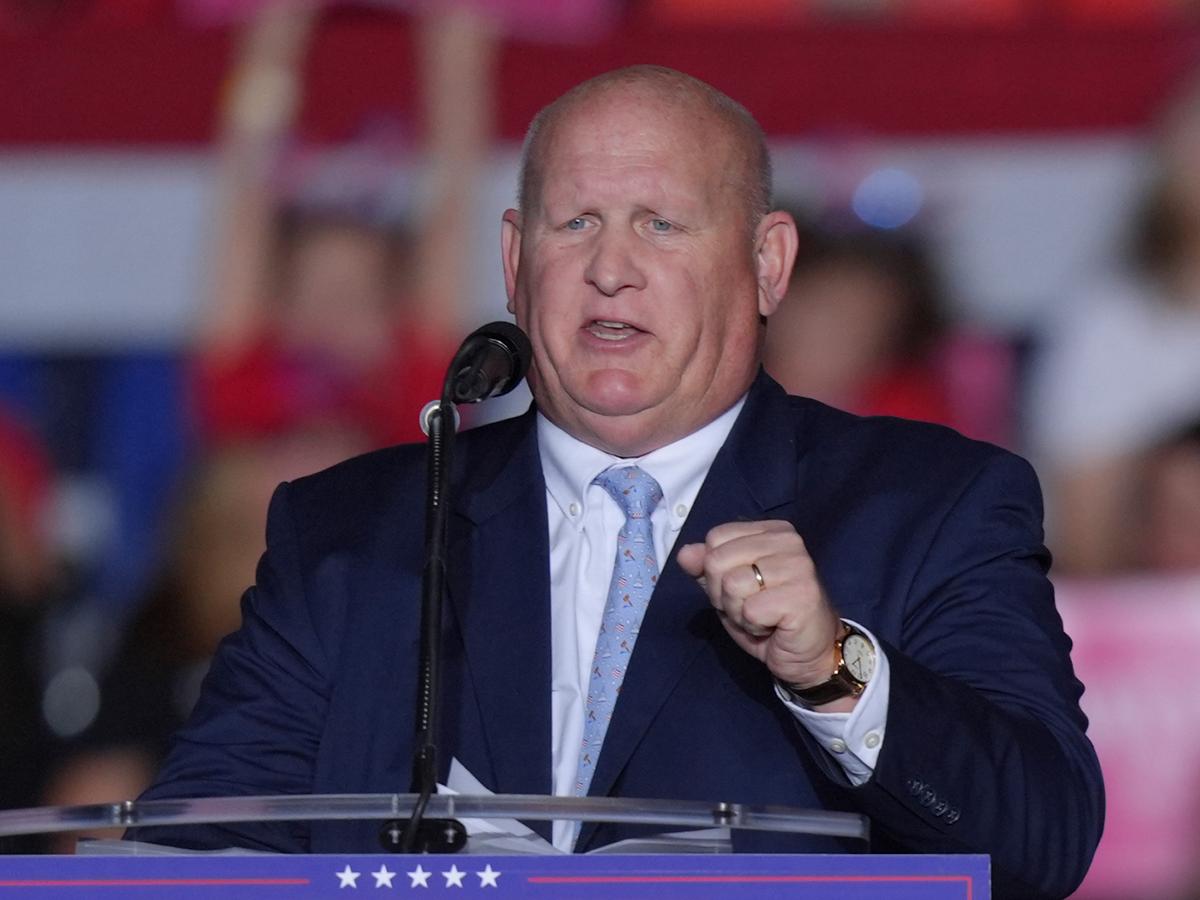
Spearheaded by House Agriculture Committee Chairman Glenn Thompson (R-Pennsylvania), the bipartisan legislation seeks to eliminate seasonal work requirements and implement various changes to the H-2A visa program. This reform would facilitate the entry of temporary workers into sectors such as dairy, mushroom, ranching, and greenhouse operations.
Thompson’s Optimism in Legislative Path
When he introduced the bill last month, Thompson expressed confidence in its potential for success. He emphasized the need for labor in the agriculture industry, stating that food security is intrinsically linked to national security. “Labor is a key component,” he remarked.
Jordan Prioritizes Immigration Enforcement
However, Jim Jordan (R-Ohio) conveyed to NOTUS that he prefers to advance an immigration enforcement strategy closely aligned with the Judiciary Committee’s 2023 proposal. He indicated that while the proposal is on the agenda for next week, including the H-2A bill would require future consideration by the House.
Setback for Agricultural Advocates
Jordan’s stance on the Farm Workforce Security Act of 2026 presents a setback for Thompson and various agricultural groups who hoped that bolstering border security would convince pro-immigration Republicans to lend their support. “I expect there will be significant concerns from producers across the country if enforcement efforts move forward without addressing the agriculture industry’s needs,” Thompson stated, reinforcing his belief that the bill represents the most viable solution for farm workforce challenges in years.
Increasing Demand for H-2A Program Reform
The H-2A agricultural guestworker program has remained largely static for decades, and the industry argues that reforms are long overdue. Usage of the H-2A program surged dramatically over the last ten years, approaching 400,000 participants by 2025 due to a dwindling number of domestic workers willing to enter the field. Data from the Agriculture Department revealed that only 182 out of more than 415,000 job openings attracted applications from U.S. workers in fiscal year 2025.
Challenges Faced by Agricultural Businesses
Mark Currie, CEO of The Jorge Companies, which specializes in mushroom cultivation and distribution, expressed the industry’s urgency when the bill was introduced in June, stating, “Our needs are not covered by today’s regulations. We are never fully staffed.” He highlighted that harvesting often requires overtime payments, adding significant costs for growers. Recently, the Trump administration issued guidance allowing dairy farmers to utilize the H-2A program, contingent on seasonal employment, but Congress is being urged to formalize this change.
Proposed Changes to Wage Regulations
The proposed legislation would also amend wage regulations, granting access to visa programs for eligible undocumented agricultural workers. James O’Neill, legislative director for the American Business Immigration Coalition, argued for the importance of incorporating SAWA into HR2, stating that ineffective enforcement against long-term skilled immigrants could inflate food prices and jeopardize national security.
Broader Industry Support Meets Opposition
While Thompson has touted support from over 400 industry groups, various agricultural worker unions and organizations opposing the influx of foreign labor have raised concerns about the expansion of the H-2A program. Rep. Dan Newhouse (R-Wash.), a co-sponsor of the bill, emphasized that many producers depend on the H-2A program to meet labor shortages in their communities, lamenting that the program’s costs pose substantial financial challenges for farmers.
