


U.S. Military Strikes Iran Following Attack on Commercial Shipping
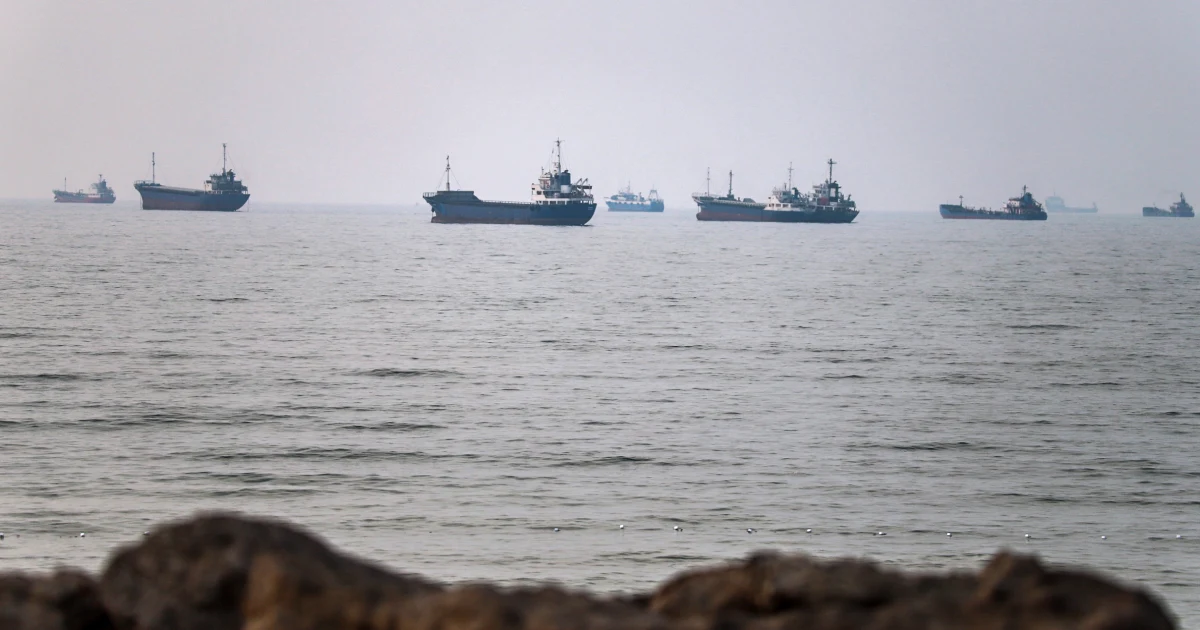
U.S. Central Command announced on Tuesday that the military has initiated a targeted strike against Iran as a direct response to an attack on a commercial vessel in the strategically significant Strait of Hormuz. This development is part of ongoing tensions in a region critical for global oil transportation.
Details of the Retaliatory Action
In a statement released on X News, Central Command emphasized that these strikes aim to impose substantial costs on Iran. They specifically target commercial ships operated by civilians in international waters. The strikes came after Iran launched attacks on three commercial vessels transiting through the Strait, which officials deemed unwarranted and dangerous, constituting a blatant violation of established ceasefire agreements.
Official Justification for the U.S. Action
A U.S. official confirmed to NBC News that the military’s response was directly motivated by these aggressions in the Strait of Hormuz. “This response is a direct result of acts of international terrorism committed by Iran against innocent vessels,” noted the official, adding that Iran was fully aware of the potential consequences of their aggressive actions.
Negotiations and Tensions in the Region
U.S. and Iranian officials have been engaged in discussions regarding maritime traffic in the Strait, a crucial passage through which 20% of the world’s oil flows. Iran has previously asserted its right to impose charges on ships navigating through this waterway, a claim that has drawn international scrutiny.
Scope of U.S. Military Operations
The offensive against Iran escalated on Tuesday night, with U.S. officials indicating that it exceeded the scale of previous retaliatory strikes against the Islamic Republic. The military action specifically targeted Iranian air defenses, coastal surveillance, surface-to-air missile sites, anti-ship facilities, drone launch sites, and port infrastructure. According to military sources, the operation involved both Air Force and naval tactical aircraft.
Recent Incidents at Sea
Reports indicate that a tanker off the coast of Oman was struck and caught fire, prompting further scrutiny. Iranian state media claimed that this liquefied natural gas tanker was attacked after disregarding warnings. However, they did not explicitly assert a direct assault. The British Maritime Authority noted that two other vessels experienced minor damage but proceeded without injuries.
Market Reactions and Strategic Implications
These recent tensions have substantially affected the global oil market, with crude oil prices jumping from approximately $69 to nearly $73 per barrel, marking a rise of almost 6% following weeks of stability. This follows a similar exchange of strikes in late June, which had previously escalated tensions significantly.
Implications for Diplomatic Efforts
This latest wave of military action raises serious concerns about the ongoing diplomatic negotiations between the United States and Iran, particularly in light of a memorandum signed in mid-June. As President Donald Trump and Iranian officials initiate a 60-day negotiation period for a potential agreement, it remains unclear if these military actions will further complicate talks aimed at resolving critical issues, including limits on Iran’s nuclear capabilities. Negotiations are reportedly in limbo this week due to the large funeral proceedings for the recently deceased former supreme leader.
