


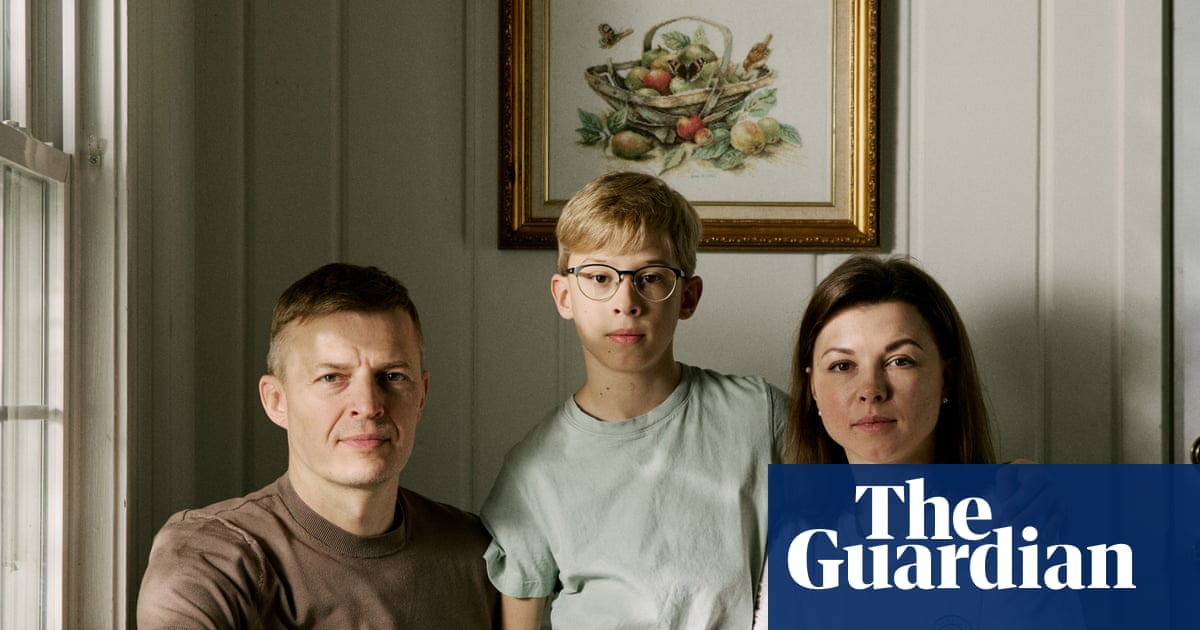
Ukrainian Family Faces Uncertain Future in Ohio Amid Immigration Challenges
Tamira Vaszczuk and her husband, Mykola, have garnered attention in their Ohio community, becoming minor celebrities due to their pierogi food business. They’ve graced local magazine covers and been featured on morning television shows. Mykola, a recent graduate from Cleveland State University, aspires to take the bar exam in the future. The couple dedicates their Sundays to volunteering at their local church.
However, their family is currently embroiled in an immigration court proceeding that could lead to their deportation to Ukraine. This situation poses a significant threat to their son’s health, particularly amid recent escalations of Russian attacks in the region.
Four years ago, Tamira noticed that her 10-year-old son, who has chosen to remain anonymous, was not growing as expected. Concerned about his low appetite and inability to gain weight, she and her son made the tough decision to temporarily return to their hometown of Kyiv to seek affordable medical examinations.
Before departing, Tamira took extensive precautions to ensure a smooth re-entry into the United States, visiting the U.S. Citizenship and Immigration Services in Cleveland and speaking with Customs and Border Protection officials. She was assured multiple times that her humanitarian parole stamp in her passport would allow her to return without issues.
Yet, upon their return via Boston Logan International Airport in December 2022, they were informed that they had violated the terms of their parole by leaving the U.S. Mykola recalled the moment: “The police officer said, ‘Technically, you have violated your parole.’ Our brains completely melted.” While Mykola was permitted entry because of a prior arrival, the family’s case now hinges on an immigration court hearing that could lead to detention and potential deportation.
With their court date moved to August, Tamira expressed her deep commitment to the U.S., stating, “I have two master’s degrees. We know this country. We love this country. We just want to be here.” The prospect of deportation raises severe health concerns for their son, who relies on medication kept refrigerated for hormone deficiencies. Moreover, the situation is compounded by the increasingly harsh stance of Cleveland immigration judges, with a denial rate of over 70% for asylum claims, as reported by the Transactional Records Access Clearinghouse (TRAC) at Syracuse University.
The Department of Homeland Security faced scrutiny over the potential deportation of families like the Vaszczuks. A DHS spokesperson pointed out that Tamira and her son could have attempted illegal re-entry into the U.S. However, ongoing conflicts in Ukraine make their situation even more dire, as consistent access to necessary medication is uncertain in a war-torn country.
As Russia intensifies its attacks targeting Ukraine’s energy infrastructure, the Vaszczuks worry about maintaining their son’s health if they are sent back. Mykola shared their grim living conditions, stating, “Our apartment has no electricity, no refrigerator, no heat, and no running water.” The challenges are not unique to their family; a growing number of Ukrainians in the U.S. face an uncertain future as Temporary Protected Status (TPS) for an estimated 103,000 individuals is set to expire in October.
Organizations advocating for immigrants highlight the urgent need to expand immigration quotas for Ukrainians seeking refuge due to the escalating conflict. As armed conflict continues to disrupt daily life in Ukraine, the U.S. State Department has categorized the country as a Level 4 No-Travel zone, reflecting the dangerous conditions.
Despite advocates calling for the bipartisan Ukraine Adjustment Act to provide a pathway to permanent residency for Ukrainians, legislative support remains elusive. Local officials recognize the contributions of the Ukrainian community, with organizations like Re:Source Cleveland emphasizing the resilience and dedication of Ukrainian immigrants who have integrated into local schools and businesses. Yet, the looming threat of deportation continues to hinder the Vaszczuks’ ability to invest in or expand their food business, which faces challenges due to ongoing war conditions. Local appeals for assistance have largely gone unanswered, leaving the family with few options as they navigate this precarious situation.
