


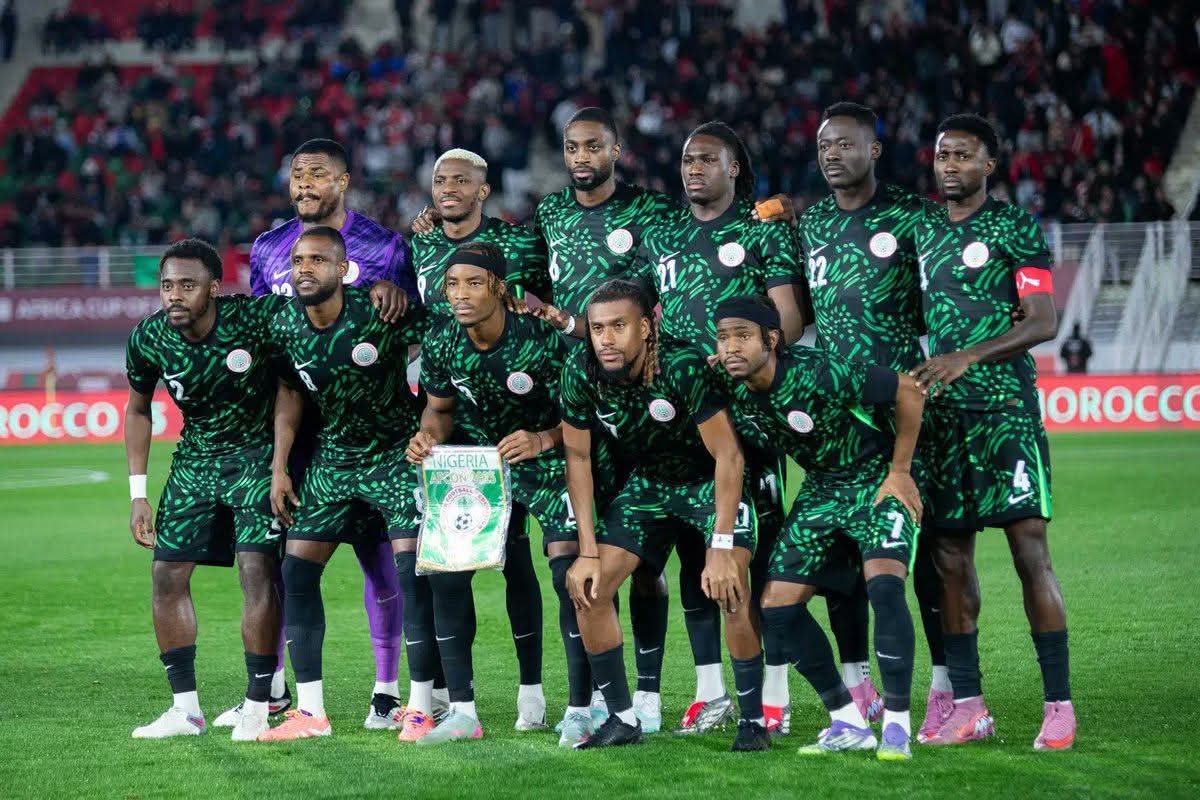
Nigeria’s Absence from the World Stage Highlights Deep Flaws
As the elite of global soccer gather in North America this month, the absence of green and white jerseys serves as a painful reminder for Nigeria. For the second consecutive tournament, the nation will watch the world’s most prestigious sporting event from the sidelines, marking a distressing end to an eight-year exclusion from the international stage. This year’s expanded World Cup format, featuring a record ten African teams, makes Nigeria’s failure to qualify even more disheartening.
Influence of the Nigerian Diaspora
The irony is striking: 15 notable soccer players of Nigerian descent will compete in the tournament, representing nine different countries. While the diaspora flourishes on the global stage, Nigeria faces a challenging reality at home. The team’s failure to qualify involves more than mere bad luck; it requires a thorough analysis of tactical, managerial, structural, and psychological shortcomings.
Tactical Failures and Missed Opportunities
The groundwork for Nigeria’s disappointing qualification was laid during a lackluster group stage performance. The Super Eagles, far from the feared “death group,” squandered critical points against lesser opponents. Ultimately, they were overtaken by a more organized South African team, which sealed Nigeria’s second-place finish in Group C and dashed their hopes of automatic qualification.
The Penalty Shootout Disaster
This setback forced Nigeria into a high-stakes playoff against the Democratic Republic of the Congo. In a tense encounter, the Super Eagles could only manage a draw, leading to a nerve-wracking penalty shootout. Nigeria faltered first, extinguishing yet another World Cup dream.
Leadership and Tactical Identity Issues
The team’s collapse can be attributed to a significant lapse in tactical identity under head coach Eric Schell. In contrast to other African powerhouses like Morocco and Senegal, who have cultivated cohesive playing styles over the years, Nigeria struggled to form a unified team. Despite having a talented roster filled with European-based players like Alex Iwobi, Ademola Lookman, and Victor Osimhen, coaching staff could not build an effective attacking strategy.
Administrative Failures Impacting Talent Retention
The ramifications of Nigeria’s instability extend beyond the pitch, negatively affecting the development of future talent. Historically, the Nigeria Football Federation (NFF) has relied on convincing dual-heritage athletes to commit to the Super Eagles. However, an unpredictable and stagnant sports framework makes the national team less appealing to young athletes considering their international options.
Examining Structural Challenges and Psychological Barriers
Instead of addressing these flaws internally, the NFF’s response post-qualification involved filing a formal complaint with FIFA to disqualify the Democratic Republic of the Congo on technicalities. This reliance on external solutions underscores psychological vulnerabilities within the national team. The weight of expectations from over 200 million fans appears to have paralyzed players during crucial qualifying matches, amplifying the collective anxiety when it mattered most.
Looking Ahead: Rebuilding for Future Tournaments
Having missed the World Cup yet again, Nigeria faces an organizational crisis that cannot be concealed by individual talent. Historically, Nigeria has been one of Africa’s quintessential teams, with six World Cup appearances since 1994. A significant restructuring is necessary before the next tournament cycle to halt the downward trend and preserve the identity of Nigerian football. The focus must shift towards capitalizing on exceptional talents like Victor Osimhen while establishing a comprehensive style of play. The NFF must prioritize proactive scouting and development strategies to retain its most promising dual-citizenship talents. Only by addressing these systemic failures can Nigeria hope to reclaim its status as a dominant force in African soccer.
