


UN Highlights Escalating Threat of Terrorism in West Africa
The United Nations has raised alarms about the rise in sophistication of terrorist groups operating in northern Nigeria and the wider Sahel region of West Africa. These groups are increasingly utilizing advanced technology, including drones, innovative communication methods, and cryptocurrencies, to bolster their operations.
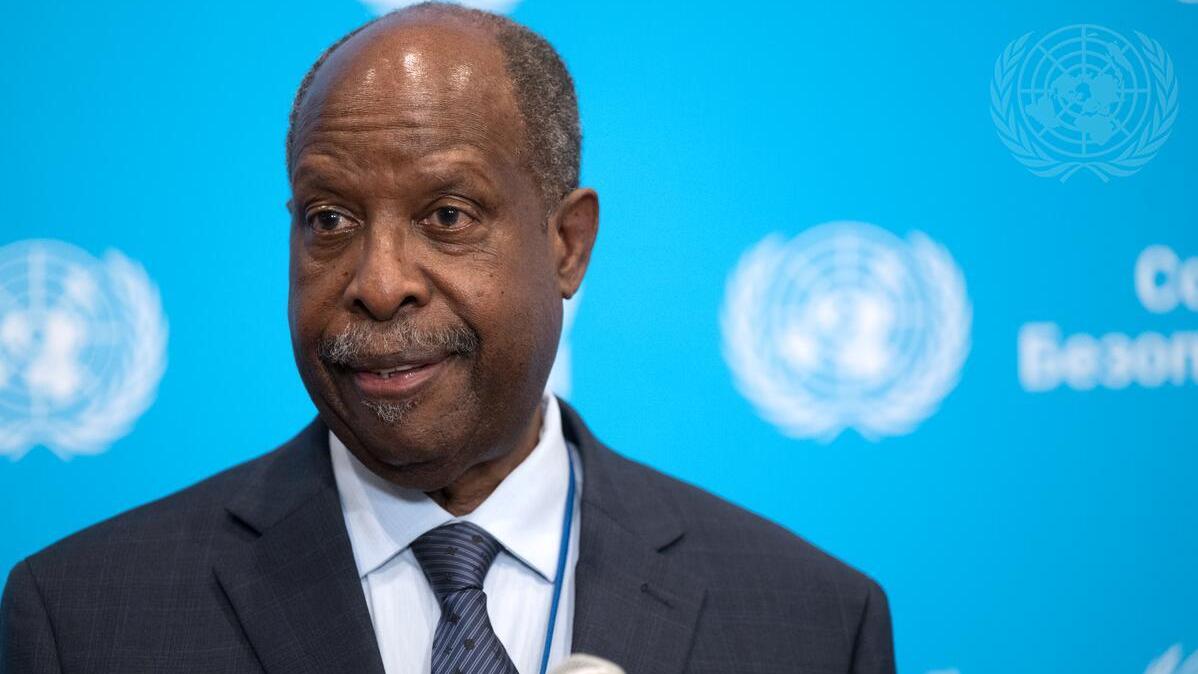
This warning came during a briefing to the UN Security Council from Leonardo Ciman, the Special Representative of the Secretary-General for West Africa and the Sahel, who presented the latest report on regional developments covering the timeframe from November 29, 2025, to June 30, 2026. The report emerges as the Security Council deliberates on the ongoing security, political, and humanitarian crises afflicting West Africa and the Sahel, where terrorism, political instability, and escalating humanitarian needs persist.
The briefing coincided with the Council’s recent decision to extend the mandate of the United Nations Office for West Africa and the Sahel (UNOWAS) until January 31, 2029. Ciman emphasized the evolving threat posed by terrorist organizations, noting their use of advanced technology as a complicating factor in containment efforts. “Insurgents are increasingly using drones and coordinating operations across borders,” he stated. This evolution is intertwined with transnational organized crime, which further exacerbates public distrust in state institutions and undermines social unity.
Just weeks prior, counterterrorism efforts by the United States and Nigerian military forces led to the largest seizure of terrorist resources in Nigeria since the September 11, 2001 attacks. Dr. Sebastian Gorka, the U.S. Deputy Under Secretary and Senior Director of Counterterrorism, reported the recovery of a significant amount of electronic materials and equipment from jihadist operatives. Additional aircraft were required to transport these items for analysis by U.S. intelligence. However, Ciman underscored that terrorism, kidnappings, and substantial civilian casualties continue to plague Nigeria, Niger, and Burkina Faso.
“The human toll of this violence is staggering,” Ciman informed the Council, revealing that approximately 6.8 million individuals have been displaced across the region, with another 1.28 million becoming refugees or asylum seekers. The access to humanitarian aid remains severely hampered by insecurity and insufficient funding, leaving vulnerable groups, particularly women and children, to bear the brunt of the crisis.
He indicated that the situation is particularly dire in central Sahel and northern Nigeria, where the actions of these terrorist groups disrupt public trust and social cohesion. Amid these challenges, the UN noted promising signs of enhanced cooperation among regional nations. The recent reopening of the Kamba border crossing between Nigeria and Niger marks a notable success of renewed diplomatic efforts. Ciman also highlighted the progress of the Cameroon-Nigeria Mixed Commission in adhering to a 2002 International Court of Justice ruling related to land and maritime borders, showcasing how long-standing disputes can be resolved through dialogue.
The UN emphasizes that solely military responses will not eradicate terrorism, urging governments and the international community to tackle the root causes of violent extremism. Ciman stressed, “Addressing poverty and vulnerability should remain a shared goal in combating terrorism.” He indicated that while regional stakeholders are striving for solutions, the Economic Community of West African States (ECOWAS) is working to establish a standby force, albeit facing financial constraints.
Members of the UN Security Council collectively acknowledged the growing sophistication of terrorist networks, which are increasingly interlinked with organized crime and human trafficking. Delegations from various countries, including the United States, China, and several West African nations, reiterated that security measures must be accompanied by investments in governance, education, job creation, and humanitarian assistance to comprehensively address the root causes of instability.
Despite the worsening security landscape, the momentum of regional diplomacy is palpable due to renewed collaborative efforts among members of the Economic Community of West African States. The Security Council conveyed robust support for UNOWAS and preventive diplomacy as indispensable strategies to confront both immediate security challenges and long-term issues in the region. Participants also noted the detrimental impact of drug trafficking on security, especially in coastal nations, emphasizing that young people are often the primary victims of this growing crisis.
