


U.S. House Moves to Condition Aid to Nigeria on Government Action Against Violence
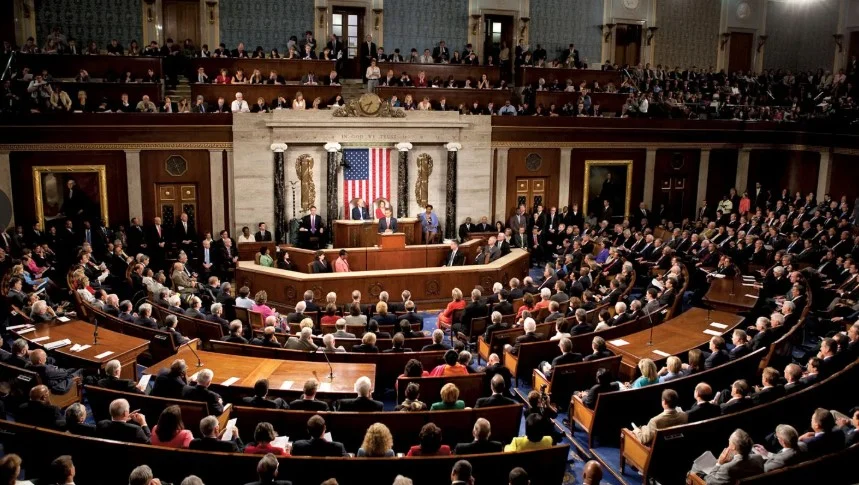
The U.S. House of Representatives has passed a measure that ties American assistance to Nigeria to demonstrable actions by its government to combat violence and protect vulnerable communities, particularly Christians. This legislation was approved during discussions on the fiscal year 2027 State Department spending bill, with a narrow vote of 217-209 largely along party lines.
Amendment Proposes Stricter Conditions on Aid
Representative Gregory Steube, a Republican from Florida, introduced a pivotal amendment within the proposed legislation that would increase the condition on U.S. aid to Nigeria. His proposal raises the threshold for withholding aid from 50 percent to 100 percent, meaning that all funds allocated to Nigeria would be paused until the federal government meets specific criteria related to violence prevention and accountability.
Original Provisions and Their Implications
The bill’s initial provisions stipulated that half of the U.S. funding to Nigeria would remain blocked until the Secretary of State certified the country’s effective measures to prevent and respond to violence. Steube’s amendment, while retaining these provisions, imposes stricter limits on funding, underscoring the urgency of the situation.
Advocating for American Taxpayer Interests
In announcing the amendment’s passage, Steube emphasized that it aims to protect American taxpayers from funding a government that neglects its duty to safeguard vulnerable populations, particularly in the face of escalating violence against Christians. He stated that withholding all U.S. aid until the Nigerian government acts decisively against such atrocities is essential.
Ensuring Accountability and Support for Religious Freedom
Fellow Republican Representative Riley Moore echoed these sentiments, asserting that this legislation links U.S. aid to measurable actions by Nigeria to ensure religious freedom and counteract religious violence. Moore highlighted the grave risks faced by Christians in Nigeria, with claims of thousands having fallen victim to extremist violence over the years.
Contextualizing the Legislative Initiative
This legislative push follows a series of investigations and visits by U.S. lawmakers aimed at assessing the situation for Christians in Nigeria. Steube pointed out that merely withholding half the aid perpetuates a cycle of inaction and stressed the need for stringent accountability measures to compel the Nigerian government to address these critical issues.
Broader Implications and Conclusions
While the House’s vote marks a significant step, the bill must still pass through the Senate and receive presidential approval to become law, meaning its immediate impact on U.S. aid to Nigeria remains uncertain. This move comes on the heels of President Trump’s designation of Nigeria as a “Country of Special Concern” in 2025 under the International Religious Freedom Act, amidst ongoing allegations of Christian persecution.
Despite these claims, the Nigerian federal government has refuted allegations of religious persecution, asserting that both Christians and Muslims are victims of violence instigated by extremists. The U.S. and Nigeria have subsequently broadened their security cooperation efforts aimed at countering terrorist threats in northern Nigeria.
